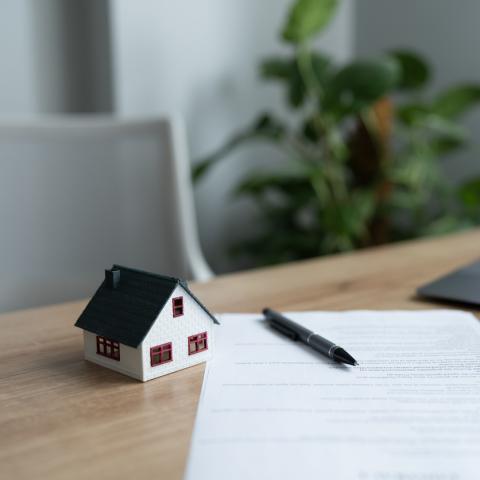
The dream of your own front door and why it feels further away than ever
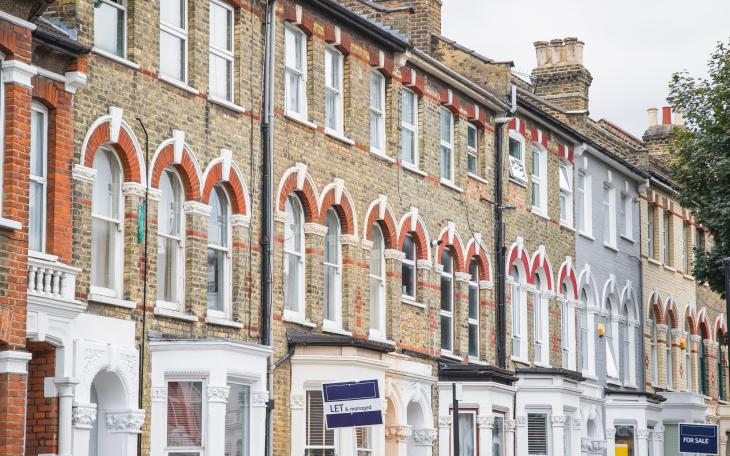

Most of us can picture it. A place that's yours. No landlord. No rolling contract. Just a key, a door, and the quiet satisfaction of knowing it’s your home in every sense.
For millions of people in Britain, that dream is very much alive yet very much out of reach. Not for lack of trying or wanting. But because the numbers, laid out plainly, simply don't add up.
New analysis from estate agency Savills found that a single buyer would need to earn at least £65,520 a year to afford Britain's average house price of £346,744. And guess what? Only one in nine workers earn that much.
Across Britain's 632 constituencies, a solo buyer on local average wages could only afford the local average property in 71 of them. In London, you'd need to be earning £125,737 - a salary reached by just 2% of taxpayers. As Savills' Lucian Cook puts it: "Basically, it is impossible anywhere south of Manchester."
There's something exhausting about doing everything right, saving carefully, building a career, being sensible, and still finding that the first rung on the ladder is out of reach.
The market has, in recent years, restructured itself around the assumption of two incomes or significant family support. The ‘Bank of Mum and Dad’ isn’t an anomaly anymore, but a prerequisite for first-time buyers. Higher interest rates since 2022 have tightened the vice further, meaning you need either a bigger wage or a bigger deposit to qualify for the same property.
The most troubling part isn't what it means for people today - it's what it sets in motion for tomorrow.
Homeownership has long been one of the primary ways people build wealth over a lifetime. When that route closes off, the consequences don't stop at the front door. It forms a deepening divide between those who inherit property or receive family help, and those who don't. That gap doesn't just persist – it appears to be widening with every generation.
People are now delaying having children, staying in cities they can't afford to leave, quietly shelving the long-term plans that owning a home tends to make possible. The housing market has become the backdrop against which an entire generation is rethinking what a stable adult life looks like.
The dream hasn't gone anywhere. It's just that for a growing number of people, the gap between wanting it and being able to reach it keeps widening. Not through any failure of their own, but because the conditions around them have shifted in ways that feel almost designed to exclude them. Buying a property is now genuinely hard, and a lot of people are feeling the same weight.
What to read next
Browse below for the latest news, insights and thought leadership from our team of experts

The changing boundaries of privacy

The politics of presence: Why institutions need to be seen to be trusted

The CEO transition tightrope: How to signal change without undermining trust

Built to last? JLR redundancies challenge the government’s industrial ambitions
Time to plug in baby (solar goes mainstream)
Housing Delivery Test results: the focus shifts from planning approvals to housing delivery
Back to school and the term ahead
Back to school for Number 10 as Burnham’s autumn test begins