Government unveils ‘biggest overhaul in a generation’ for water industry under continued pressure
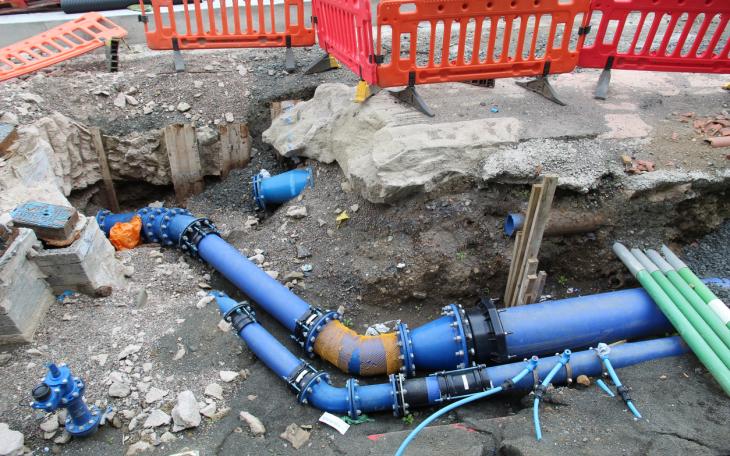

The water industry often seems to be battling one bad headline after another, and the start of 2026 has been no different. With recent headlines concentrated on the South East Water crisis, which left tens of thousands of homes across Kent and Sussex without supply, prolonged disruption has again shown how quickly public patience erodes when something as basic as running water is no longer guaranteed. Meanwhile, over in in Oxfordshire, the statutory consultation for the South East Strategic Reservoir Option (SESRO) has generated its own wave of criticism, with the Telegraph describing it as ‘a taste of the water wars yet to come’.
It’s against this backdrop that the UK government has announced the Water White Paper, described as the most significant reform of the water industry in decades. At the forefront is the creation of a single regulator with enhanced powers to hold water companies to account. A Chief Engineer will be appointed to lead physical inspections of assets, replacing the current system of company self-assessment, supported by a new ‘MOT style’ programme designed to ensure infrastructure is maintained to consistent standards and to reduce the risk of future supply interruptions.
Performance monitoring is also set for overhaul. Water companies identified as underperforming will now face earlier interventions, including dedicated supervisory teams and unannounced inspections. For consumers, the proposals include the rollout of smart meters and mandatory water efficiency labels on appliances such as dishwashers. These initiatives are expected to save households more than £125 million over the next decade and support wider efforts to reduce water use and increase public awareness.
Environmental protection forms a central part of the plan. Funding for local catchment partnerships will be doubled, and sustainable drainage systems will be prioritised in collaboration with councils, farmers and developers. These measures aim to prevent pollution before it enters the water network and reduce the frequency of storm overflow incidents. A new Water Ombudsman will also be established with binding powers to resolve complaints quickly and provide fair compensation, improving customer experience and reducing delays.
The reforms build on previous measures, including criminal liability for executives who conceal sewage spills and restrictions on bonuses linked to poor performance. They are underpinned by £104 billion in private investment over five years and £11 billion dedicated specifically to storm overflow improvements. This represents a recognition of the significant challenges around accountability and service reliability that have been so damaging to public perceptions in recent years.
Recent incidents, including the prolonged outages in Tunbridge Wells or the criticism that came with the SESRO Statutory Consultation, remind us again of the impact of infrastructure weaknesses on public trust. Customer confidence in water companies has been undermined again and again by repeated reports of pollution and service disruption, creating a significant engagement challenge for the sector.
While the government insists that stronger regulation will deliver meaningful improvements, many remain unconvinced. UNISON has renewed calls for renationalisation, arguing that privatisation is still driving systemic issues. This debate is likely to intensify as the 2026 Transition Plan and forthcoming Water Reform Bill progress, and there is significant work ahead for both operational performance and sector’s ability to rebuild public trust.
The timing of these reforms is particularly striking given the wider conversation happening this week in Davos, where SEC Newgate colleagues are on the ground. The World Economic Forum had intended to spotlight global water systems under its Blue Davos theme, but it’s now clear geopolitical tensions will dominate dialogue, leaving water a problem the world continues to postpone.
What to read next
Browse below for the latest news, insights and thought leadership from our team of experts

The art of the teal

Pay to stay: can England’s mayors follow Manchester’s lead and turn a ‘tourist tax’ into growth?
All change on local government reorganisation

From drought to disruption: Why adaptation matters now

Australia's AI chart crackdown signals a wider shift in trust and disclosure

From Waiting for Godot to winning trust: Communications lessons from IPEM 2026

Farage, Burnham, and the battle for authenticity
What Aristotle can tell us about corporate statements