How the World Cup changed the conversation about America
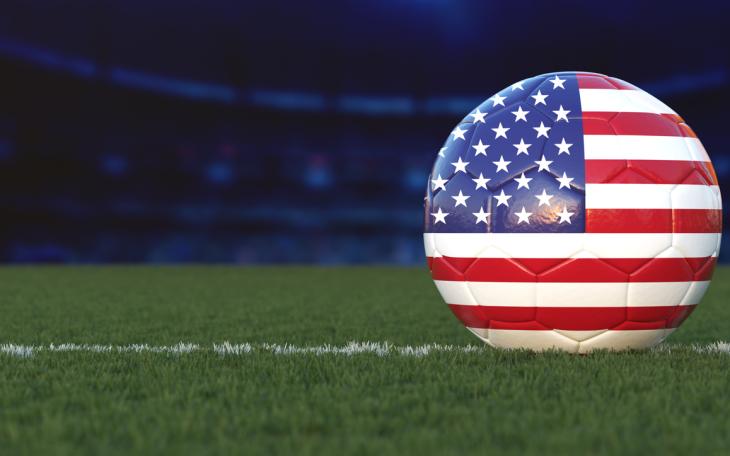

For years, America has been presented to the rest of the world through the lens of politics. Any mention of America is usually followed by conversations around Donald Trump, NATO, tariffs, immigration, foreign policy and geopolitical rivalry. For most Europeans, the headlines have become shorthand for the country itself. But in fairness, how can you talk about anything else?
I was a bit nervous to see how the US would embrace the host role alongside our neighbours, Canada and Mexico. In the run-up to the tournament, there were plenty of stumbles that threatened to make for an embarrassing presence on the world stage: political tensions, travel restrictions, eye-watering ticket prices and questions about the US involvement with FIFA.
But when the football started, something unexpected happened alongside it. The US stopped making headlines for political reasons and started making them for human ones.
Instead of arguments about alliances, there were stories about hospitality. Bostonians embracing their Scottish guests while the Tartan Army nearly drank the city out of beer. Residents of Lawrence, Kansas, adopted Algeria as their second national team, learning the words to chants and turning up in force to support them. Japanese visitors have gone viral for their fascination with Texas barbecue and Buc-ee's. Across New York, Los Angeles and Houston, strangers have crowded around screens in parks, bars and on street corners, celebrating goals together regardless of which team they supported.
What struck me was how familiar this America felt.
Instead of culture wars, it felt like we focused more on the connection - those spontaneous communal moments that feel increasingly rare. At a time when America's global image is largely shaped by politics, the World Cup has reminded people that there is another side to the country, one defined not by its government, but by its people.
There's a useful lesson here. Perceptions are rarely changed by arguments. More often than not, they're changed by experiences. The World Cup gave millions of visitors, viewers and Americans themselves a different lens through which to see the country. For the past few weeks, America wasn't defined by its politics. It was defined by its people. And in today's geopolitical climate, that feels more significant than the football itself… although England fans may beg to differ.
What to read next
Browse below for the latest news, insights and thought leadership from our team of experts
It’s about housing, stupid

Budget 2026: What’s in store for developers?

Delegation Nation
Pacific Pre-COP31: Testing the waters ahead of Turkey

Vibes win the click. Only substance wins the trust.

How communications drives deal outcomes

The missing sector in Britain's growth strategy
Reframing Britain’s Brexit debate