Reform UK’s “shadow cabinet”: structure, signal or something else?
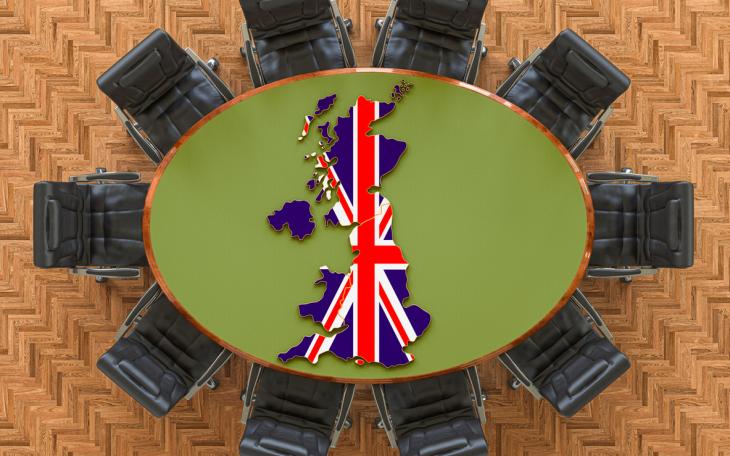

Reform UK’s decision to unveil what it calls a “shadow cabinet” marks a significant moment in the party’s development. As Reform continues to poll strongly, it has also faced growing scrutiny about whether it possesses the organisational depth to match its electoral momentum. At the same time, polling has suggested a slight divergence between the party’s rising support and leader Nigel Farage’s own personal ratings, sharpening the incentive to demonstrate that Reform is broader than a single, charismatic figure. The push for visibility isn’t confined to Westminster either: in Wales, Reform has installed a new Welsh leader to bolster its presence ahead of Senedd elections.
Seen in that context, the announcement looks less like a sudden conversion to Westminster convention and more like a deliberate effort to professionalise Reform’s presentation. Farage has been explicit that he is taking the task of government seriously, and that voters are entitled to see who would speak for the party across major policy areas. The move also helps channel media attention away from the leader alone and towards a wider cast of senior figures.
Strictly speaking, however, Reform’s new line up is not a shadow cabinet in the formal parliamentary sense. Reform is not the official opposition, and its appointees are described as “spokesmen” rather than shadow secretaries - a distinction that matters in that it reflects both constitutional reality and Reform’s own scepticism about established political norms. Party chair Zia Yusuf has argued for breaking the traditional conveyor belt of cabinet reshuffles, instead favouring a smaller, more stable top team drawing on what he has called “galactic‑level talent” from beyond Westminster, including peers and external experts.
For now, though, the appointments are largely orthodox and, Yusuf aside, parliamentary. Robert Jenrick, the former Conservative minister who recently defected, becomes Shadow Chancellor with a pitch to “alarm‑clock Britain” and a promise to tackle a “broken economy”. Richard Tice, Reform’s deputy leader, takes a merged business, trade and energy portfolio, a consciously expansive “super‑department” echoing more activist industrial models and tied to a sovereign British wealth fund narrative. Suella Braverman is handed education, skills and equalities, while Yusuf becomes Shadow Home Secretary with a focus on immigration and public order. Notably, Farage has cast this moment as the culmination of an aggressive recruitment drive from the Tories, arguing Reform has already attracted the “most popular frontbencher and the most popular backbencher” and hinting that interest is now shifting to Labour figures.
Equally striking are the omissions. There are no declared spokespeople for foreign affairs or defence - significant gaps for a party positioning itself as a credible alternative - though the leadership signals more names will follow. Reform suggests this is not a finished list, but the absence reinforces the sense that this is a staging post rather than a final settlement.
For now, this “shadow cabinet” functions less as a finished governing team and more as a signal of intent: an attempt to consolidate high‑profile recruits, broaden leadership beyond the party figurehead, and translate rising support into recognisable policy ownership, while leaving open whether Reform ultimately follows, or rewrites, the Westminster rulebook.
What to read next
Browse below for the latest news, insights and thought leadership from our team of experts
It’s about housing, stupid

Budget 2026: What’s in store for developers?

Delegation Nation

Reframing Britain’s Brexit debate

The missing sector in Britain's growth strategy

Pacific Pre-COP31: Testing the waters ahead of Turkey

How communications drives deal outcomes

Vibes win the click. Only substance wins the trust.