Social media changed a generation, AI is the next test of childhood
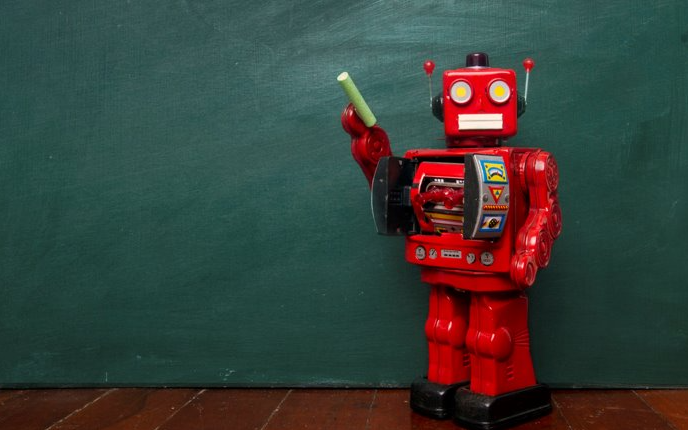

This year, many children will unwrap toys that talk back, from AI bears to tutoring robots. In classrooms, they are using AI-generated materials and at home they often ask chatbots the questions they once saved for parents. Childhood is shifting quickly, and the pace feels familiar.
We saw it with social media. It arrived with the promise of connection and creativity, but almost no guardrails. Only later did we recognise the costs of giving a whole generation such powerful tools so young. Attention spans narrowed, confidence faltered, and children grew up comparing themselves to influencers they would never meet. Technology reshaped childhood long before society had worked out what to protect. AI now risks repeating this pattern, only at greater speed.
Where social media distracted children, AI may reshape how they think. Personalised tutors and story-telling toys can be helpful, but they can also box children into narrow preference bubbles. If an AI knows exactly what a child likes, it will keep serving up more of the same, leaving little room for surprise, challenge or discovery.
There is also the danger of cognitive outsourcing, which replaces the creativity and the experience of trying, failing and trying again that childhood is meant to nurture. When a class is brainstorming and someone suggests, “Let’s just ask ChatGPT”, children learn that struggle and creativity can be skipped. If a chatbot always produces an answer, why practice forming one yourself?
AI companions introduce another risk, offering relationships that demand no patience, compromise or empathy. A robot that never disagrees cannot teach empathy, resilience or the awkward but essential skills of real human connection.
We cannot afford to repeat the mistakes we made with social media. Parents and schools need simple habits that keep children’s own thinking at the centre. This means pausing before turning to AI, asking what children believe first, encouraging them to write or imagine before they prompt, and allowing space for the productive struggle that builds judgement and character.
AI can enrich childhood, but only if we set boundaries early. If AI can provide every answer, our role is to help children learn which answers matter, and how to think for themselves.
What to read next
Browse below for the latest news, insights and thought leadership from our team of experts

The art of the teal

Pay to stay: can England’s mayors follow Manchester’s lead and turn a ‘tourist tax’ into growth?

All change on local government reorganisation

From drought to disruption: Why adaptation matters now

Australia's AI chart crackdown signals a wider shift in trust and disclosure

From Waiting for Godot to winning trust: Communications lessons from IPEM 2026

Farage, Burnham, and the battle for authenticity

What Aristotle can tell us about corporate statements