All eyes on No.11 – why business is tracking who the next Chancellor will be more closely than the next PM
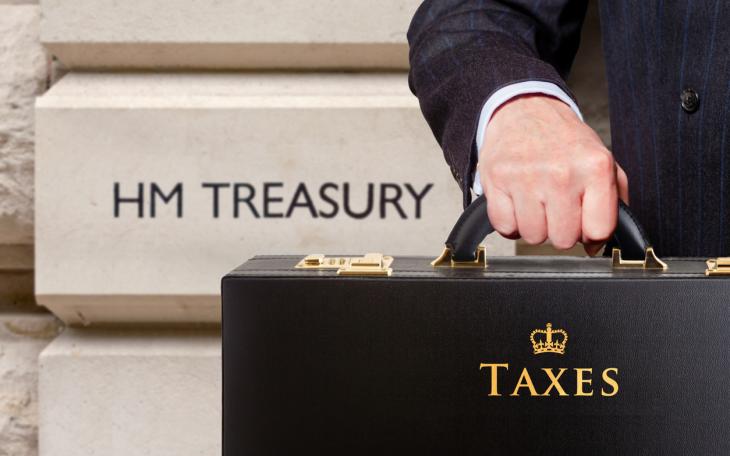

Some weeks seem to last an age and so it has felt inexplicable to some – and not just due to the heatwave – that it was only three days ago that Prime Minister Keir Starmer announced that he will resign.
In contrast, the debate about his successor has progressed at lightning speed. The inevitability of Andy has proven so overwhelming that the focus of business, markets, and policy influencers has moved on to his pick for Chancellor.
The Labour Party Executive Committee has confirmed nominations don’t open until 9 July, with a result expected on Friday 17 July. And yet, all eyes are on current Chancellor Rachel Reeves, current Energy Secretary Ed Miliband, and former Health Secretary Wes Streeting.
Rachel Reeves
The current inhabitant of No. 11 - once labelled as being joined at the hip with Starmer - was notably absent from Downing Street when Keir Starmer announced his resignation. She was later spotted in a selfie posted by Andy Burnham following his swearing in.
Reports suggest that Burnham favours a new Chancellor in No 11, so Reeves is working hard to gather support from businesses and investors to keep her job. She has suggested Burnham should retain her fiscal rules saying, “The Labour Party stood on a manifesto of commitment to those fiscal rules”. As a reminder, the fiscal rules are Labour’s manifesto promise not to raise income tax, VAT, or national insurance.
But Reeves tried to make clear that this wouldn’t mean no reform at all, telling the BBC Conference that the budget later this year would include further reforms to business rates and fiscal devolution.
Ed Miliband
Current Energy and Net Zero Secretary (and long-standing LabourList/Survation Cabinet rankings net favourability topper), Ed Miliband is close to Burnham. So close it’s been reported he’s been advising Burnham on how to calm bond market fears.
As a former Treasury Adviser, there are suggestions Miliband may be the only challenger with “serious Treasury experience and credential” to support Burnham’s agenda, but views are divided. One camp claims the fears his appointment would tank markets - due to their view he would make more leftwing and higher-spending decisions - were “overpriced”. Others are actively warning against appointing Miliband, including a GMB-Unite coalition of the biggest trade union leaders who are fearful his North Sea oil policy has hurt jobs in those sectors. As major Labour Party donors, this cannot be ignored. However, while Miliband may be opposed to new oil and gas drilling licences in the North Sea, Burnham suggested he was open to this.
While still branded the front-runner, the Telegraph reports that Burnham has gone down to 50/50 on Miliband, worried about recalling memories of Blair and Brown.
Wes Streeting
Perhaps a less likely or obvious choice, but the speed with which Streeting came out in support of Andy Burham, after actively preparing to stand in a leadership contest, led some to speculate that he’d been asked to drop out in return for a big job.
Streeting is generally seen as having delivered well while at the Department for Health and might prioritise party unity taking, for example, a more centrist fiscal approach over a more radical leftwing agenda, which could prove positive for gilts.
One of his ideas unveiled as part of his leadership bid was a bit more Marmite, however, and involved introducing a "wealth tax that works" by equalising capital gains tax (CGT) with income tax, which CenTax estimated could raise £14bn.
Regarding Andy Burham’s own views, they were largely reconfirmed during his Makerfield by-election campaign: that he sees his brand of ‘Manchesterism’ - which is pro-devolution, pro state intervention in core industries, and focussed on place-based politics - transferrable to the national stage.
His pitch appears to be to turn this into a governing model towards “a more streamlined and financially sustainable state”, as he termed it at an IfG event, while focussing on being “interventionist and intentional” rather than leaving things to the markets, as reported in the Times. This, his tipped chief economic adviser, Lord O’Neill of Gatley, suggested, could involve devolving income tax across Britain to give local authorities greater power.
His comments from nine months ago about not being “in hock to the bond markets” ruffled some feathers but he since told the BBC last month that maintaining the current fiscal rules set by Rachel Reeves is “totally essential”.
If this is true, Burnham will have to implement tax rises, spending cuts, or a combination of both. Briefings of Burnham looking at capital gains tax (CGT) and equalising this with income tax have gone down less badly than some assumed but are not favoured by some within the Treasury. This would however chime most with proposals made by Wes Streeting.
Burham has also argued in favour of replacing IHT by charging a flat 10% levy on all estates on death to pay for free social care - an idea which chimed with his preference for taxing wealth over labour.
Whatever the specifics, it would be prudent to read the ‘The Productive State’, a paper authored by Mathew Lawrence via Mainstream - the Labour group that has been seen as the vehicle for Burnham’s leadership ambitions.
The paper lays the ground, many say, for how Andy and his Chancellor will approach reforms. The big idea is to build a third pillar of the economy alongside markets and the welfare state which directly owns, invests in and provides core services where markets systematically overprice and underinvest. The paper ultimately argues this would deliver greater macroeconomic stability, lower inflationary pressure in essentials, and a more resilient growth model. It argues that “rebuilding Britain’s systems of public provision is not the alternative to fiscal prudence. It is fiscal prudence”.
What to read next
Browse below for the latest news, insights and thought leadership from our team of experts

Going for the Grid: Burnham tries to take back control

Your First Home: a helping hand for buyers or a boost for housebuilders?

Solar and Storage Live: The shift from tick-box consultation to meaningful engagement

Burnham goes big in first conference speech, but real test still lies ahead at the Budget

Why dark social matters more than ever

Corporate affairs and navigating dystopia
The new reputation battlefield: Navigating risk in a fragmented media landscape

Investors ponder what's next in property