From Burnham to Bev: The Greater Manchester coronation without a crowd
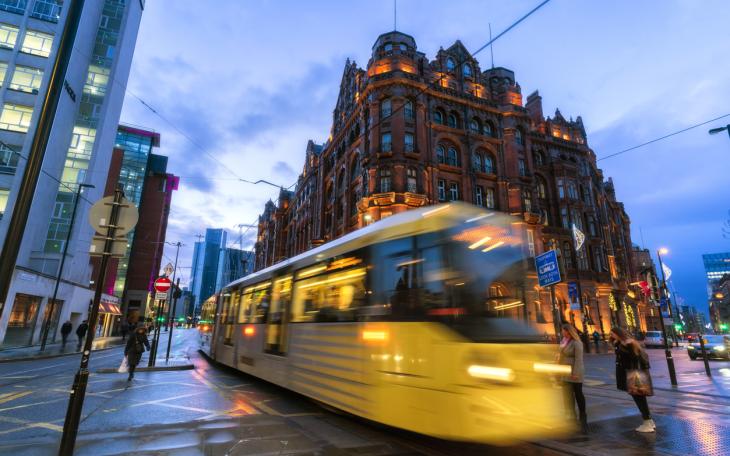

After the political dramas of the early summer, and the ascension of Andy Burnham to become Britain’s seventh prime minister in just over a decade, the by-election to fill the Greater Manchester mayoral void did little to disturb the peace of the politically sedate holiday period. In the end, the biggest by-election in British history (in terms of electorate, at least) failed to excite both the political pundits and the voters, drawing little media attention and recording a meagre turnout of just 25.14%.
Although I previewed the election as being much more competitive than in previous years, the result turned out to be a comfortable win for Labour’s Bev Craig, who scored a significant victory over second-placed Sian Astley of Reform (47.1% to 21% in first preference votes). The result placed Craig ahead of pre-election opinion polling expectations and marked a recovery in Labour’s fortunes across a city-region that saw a collapse in their vote only three months before.
In May’s local elections, Reform led the race totting-up 31% of the vote across Greater Manchester’s 216 wards, compared to Labour’s 24%. This was unheard of in a region that has been dominated by the red team for decades and will no doubt have caused a few sleepless nights for party strategists and members. Labour’s turnaround can of course be placed squarely on their new leader. The Burnham-factor will without doubt have seen many disillusioned Labour voters return to the fold, albeit not in huge numbers.
Just as significant as Labour’s rather undramatic revival was the lack of any serious competition in the contest. The main challengers for the mayoralty, Reform UK, find themselves on a steady but slippery slope of decline in popularity amongst would-be voters, not helped by more recent revelations about their leader, Nigel Farage. His decision to resign from parliament and call his own by-election in Clacton, had without a doubt taken his party’s spotlight, funding and manpower away from the Greater Manchester contest, no doubt much to the relief of Labour.
There were no other big hitters in the trailing pack, with both the Conservatives and Greens having poor showings compared to expectations. The former dropping to fifth place, having held second (albeit distantly) in the last three contests. The much overhyped Green campaign resulted in an underwhelming 12% of the vote. The only notable success amongst the also-rans was Rupert Lowe’s Restore candidate, who managed a surprising fourth place ahead of the Tories.
Regardless of which candidate finished in which order the most disappointing aspect of the result was the low turnout, signalling general voter apathy towards the contest and possibly the role of mayor itself. Ironically, this comes following a huge raft of publicity for the mayoralty brought about by the Burnham ascension and his focus on the devolution agenda. Admittedly, the summer holiday timing was not great (forced by pre-set rules). In addition, the lack of a big campaign or perceived close contest, and in the absence of some big names squaring up, very little about the election managed to engage those of us not sipping a cocktail by the poolside in a family resort to get out and vote.
The position of Mayor of Greater Manchester is now one of the most influential in British politics outside of Westminster and will grow in stature in the coming years, with more powers likely to be devolved from central government. Burnham successfully made the role his own. Bev Craig now needs to do the same; continuing her predecessor’s legacy whilst shaping and growing the mayoralty for the years ahead. Political and policy announcements aside, it is without doubt that her biggest job over the next couple of years is to engage the three quarters of the electorate who did not bother to show up for her election.
What to read next
Browse below for the latest news, insights and thought leadership from our team of experts
The art of the teal
Pay to stay: can England’s mayors follow Manchester’s lead and turn a ‘tourist tax’ into growth?
All change on local government reorganisation

From drought to disruption: Why adaptation matters now

Australia's AI chart crackdown signals a wider shift in trust and disclosure

From Waiting for Godot to winning trust: Communications lessons from IPEM 2026
Farage, Burnham, and the battle for authenticity
What Aristotle can tell us about corporate statements