Will the latest UN climate conference be much COP?
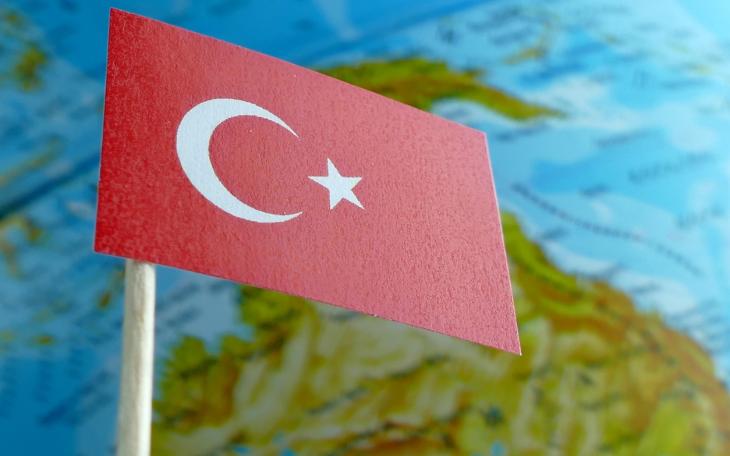

As a global forum that brings political leaders, businesses, NGOs and activists together, COP remains a critical annual moment, and COP31, starting at the end of this month, marks the latest instalment in this annual UN Conference series.
The challenge in recent years has been just how much cut through it achieves beyond the climate and sustainability community and those organisations that are already committed to climate action.
While the US is unlikely to send an official delegation to COP31, mirroring the approach that was taken last year at COP30 in Brazil, there are 197 countries that remain signatories to the United Nations Framework Convention on Climate Change (UNFCCC), and are largely expected to be there in force and engage with the host’s agenda.
In previous years, COP has oscillated from being a platform to make the case for climate science, to pledging to crack down on fossil fuel use, to seeking to mobilise action and investment for economic and social transition. How the discussions play out in 2026, in Antalya, Türkiye, will depend on the tenacity of the joint hosts (Türkiye and Australia) and on the extent to which the discussions get hijacked by geopolitical point scoring.
While it is impossible to disconnect COP from geopolitics, the negotiations have largely moved from arguing the case for climate science to more pragmatic discussions, which recognise that transition is required and also brings economic benefits. As such, the role of corporates in COP has increased in importance and many of the 100,000 delegates expected to attend will be seeking investment and corporate support for climate and transition projects.
In an era of ESG and climate change cynicism, many corporates will choose to frame these projects by stressing other benefits; energy security, economic resilience, cost reduction, protecting natural spaces. Yet in reality the intellectual spine that sits behind this remains an understanding that climate risk is increasing and the associated economic and operational risk must be mitigated.
The transition to a sustainable economy continues to also present a major opportunity for corporates and for the finance sector. Research released in September 2026 by Bloomberg Intelligence estimated that climate damage is creating a “prepare-and-repair” spending cycle in Europe that could total about €500 billion through 2035. This money is required to address damage from extreme weather but also to mitigate against risks such as flooding and extreme heat.
Europe is also in the unedifying position of having some of the world’s most expensive energy costs. According to the International Energy Agency, EU prices for energy-intensive industries in 2025 averaged more than twice US levels and were nearly 50% above Chinese levels. This is despite huge investment in renewables and nuclear. Addressing this is critical for climate transition but is also a vital commercial imperative in a world that is rapidly developing AI and data centre capacity, and in which business and consumers are moving to electrification.
For businesses seeking to engage with COP31, the opportunities are vast, as is the potential cost for those seeking stands in the Green Zone or speaking slots in the diplomatic Blue Zone. Corporate engagement at COP has moved from something that is treated with hostility and suspicion to being something that governments encourage and seek.
This doesn’t mean that engagement is risk-free. Activists and NGOs will closely scrutinise what corporates are saying and look for evidence of hypocrisy and for any suggestion of lobbying to water down climate commitments for commercial benefit.
Yet for many corporates the benefits will continue to outweigh the risks. The climate transition does present commercial opportunity that can align commercial growth and profit with positive environmental and social impact. But in a febrile geopolitical climate, nuance matters. Corporates wishing to engage should do so in good faith, with pragmatic solutions and a clear understanding of where they add value. In most cases, this will be in their ability to mobilise capital and get things done on the ground to help deliver the environmental pledges that the politicians and negotiating teams agree on.
What to read next
Browse below for the latest news, insights and thought leadership from our team of experts

Saving for a rainy day: The trust bank and crisis comms

Your First Impression: What Your First Home’s lukewarm reception tells us about managing expectations

Elections, dear boy, elections

Immigration reform: Mahmood holds her ground as Burnham keeps his distance
Rosebank tests Burnham’s new energy settlement

The silent power of procurement to drive impact in the value chain

Data centres and a backlash moving faster than its argument

Building for growth: Budget targets housing, planning and infrastructure constraints