Big yikes or big win? Australia’s under-16 social media ban explained
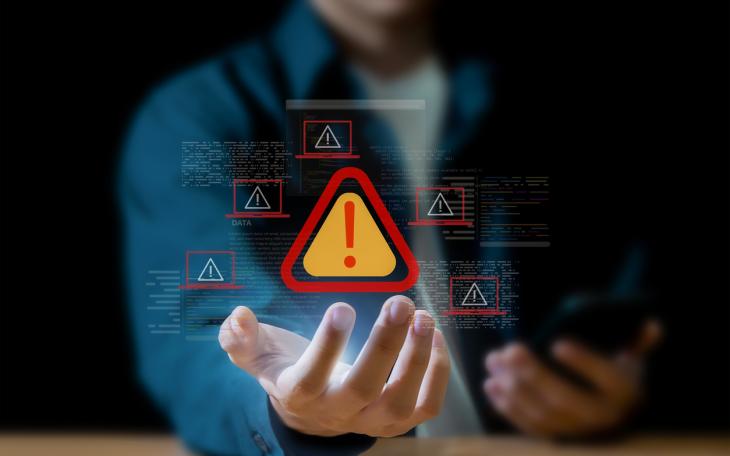

In a move designed to protect children from “disastrous” mental health impacts linked to addictive algorithms, Australia is set to enact a world-first this week, with the introduction of a sweeping social media ban for under-16s, and Gen-Alpha Aussies are, like, not happy. No brainrot is high key dead, no cap. So, here’s the lore…
New laws will require platforms to verify users’ ages before granting access, and this will impact platforms including covers Facebook, Instagram, TikTok, Snapchat, YouTube, Reddit, Threads, and Twitch. The aim is, as Communications Minister Anika Wells put it, to “protect Generation Alpha from being sucked into purgatory by predatory algorithms described by the man who created the feature as ‘behavioural cocaine’”.
But then Snapchat clapped back with: “disconnecting teens from their friends and family doesn’t make them safer - it may push them to less safe, less private messaging apps”. Let’s be honest, today’s kids are digital natives in the truest sense of the word and will find workarounds. In fact, they already have.
So, is Australia teaching kids to be safer or sneakier?
Support for the ban appears high with 77% of Australians backing the move – according to a YouGov poll from last year. Ostensibly, supporters are hoping the action will encourage more in-person interaction, boost social skills and protect under-16s from harmful content online. Critics argue it’s a blunt tool that risks isolating vulnerable children, especially those in rural or marginalised communities who have long found support online.
The government’s messaging has focused on protection and prevention, framing the ban as a necessary shield against harm, but maybe it’s time to reframe the conversation. Instead of casting young people as passive recipients of risk, we could empower them through education, digital literacy, and open dialogue about online dangers. Messaging that invites young people to be part of the solution, rather than simply restricting their access, may foster greater trust and resilience.
Instead of placing the burden on young users, shouldn’t we demand more from the platforms themselves? If social media is unsafe for children, perhaps it’s the platforms that need to change, not just the rules.
I’m not so sure Australia ate with this one.
What to read next
Browse below for the latest news, insights and thought leadership from our team of experts
Reframing Britain’s Brexit debate

The missing sector in Britain's growth strategy

Pacific Pre-COP31: Testing the waters ahead of Turkey
How communications drives deal outcomes
Vibes win the click. Only substance wins the trust.
Protecting trust in an age of AI and impersonation

A recovery measured in discipline, not exuberance: Views from the property sector’s EXPO REAL
An Iron Dome and an Iron Lady: Reflections on the Conservative Party Conference