The Green Party doesn’t sound very green lately
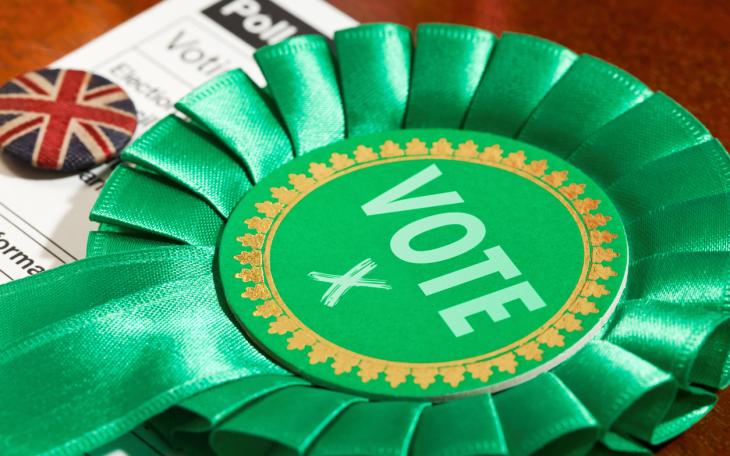

Much has been said already about the by-election last week in Gorton and Denton, in which the Green Party candidate won with 40.7% of the vote, leaving the Labour candidate in third place in what had been a Labour stronghold. Zack Polanski, the leader of the Green Party, was quick to say that this had been their 127th target seat – so these results show that there are no longer any ‘no-go’ areas for them. It’s a leap to assume that they will be able to repeat this success across the UK, but this result does show that they can’t be ignored.
One noticeable aspect of the campaign was the rhetoric it embraced (or didn’t embrace). Messaging from the campaign bears little resemblance to the rhetoric we would expect from the Green Party. It should be the case that every campaign is different. Messaging should reflect not just the candidate but the electorate and local priorities, and this is even more the case in a by-election, where messaging can be hyper-focused on the local context and current events. However, it’s notable how little mention there was of any environmental issues.
The Green Party manifesto was built around environmental issues, including more ambitious net-zero targets to ramp up renewables and phase out fossil fuels faster, while also nationalising water and energy companies, but the recent campaign made little mention of these topics. Instead, the focus was lowering bills, protecting the NHS, and rebuilding public services. Much of the discussion was around the proposed wealth tax and efforts to close the growing wealth gap, as well as more divisive policies around amnesty for undocumented immigrants and legalisation of drugs.
What does this all mean for the renewables sector and our net-zero targets? Very little most likely. Public concern about climate change and support for renewables still remain very high, and are expected to increase as climate change impacts are felt, but environmental issues don’t necessarily move voters between parties. As Labour is increasingly unlikely to reach its Clean Power 2030 targets, it means very little for the Green Party or Liberal Democrats to have more ambitious climate goals. Polls show that potential Reform UK voters are more opposed to net zero, but also less likely to be motivated by it.
Thus, it makes sense for candidates to focus on the cost of living and other economic issues that are moving voters now. Crossover issues, where climate change policies have economic impacts, like rising energy prices and the supply of green jobs, are likely to get even more attention in the next few years.
In the run up to local elections this May and then party conferences later this year, we will be closely watching the issue framing across parties to see if there are any meaningful shifts in policy and how voters respond. For now, the renewables sector should feel optimistic about this result and the potential political options that now exist.
What to read next
Browse below for the latest news, insights and thought leadership from our team of experts
The art of the teal
Pay to stay: can England’s mayors follow Manchester’s lead and turn a ‘tourist tax’ into growth?
All change on local government reorganisation

From drought to disruption: Why adaptation matters now

Australia's AI chart crackdown signals a wider shift in trust and disclosure

From Waiting for Godot to winning trust: Communications lessons from IPEM 2026

Farage, Burnham, and the battle for authenticity
What Aristotle can tell us about corporate statements