Relief, not recovery: Reeves finds light in grim economic week
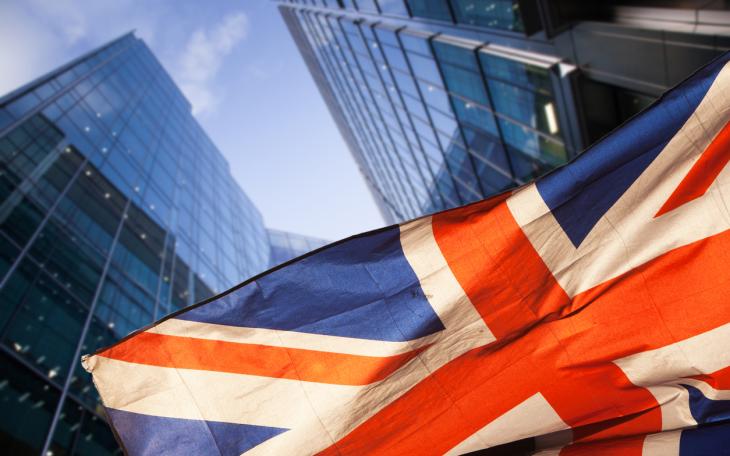

Following the news earlier this week that the International Monetary Fund (IMF) predicted the UK to be the worst affected G7 economy from the shock of the Middle East war, and recent headlines suggesting the UK could face some food shortages by the summer, Rachel Reeves has received some welcome relief with new data showing the economy is performing slightly better than expected.
The Office for National Statistics (ONS) said the economy grew by a faster-than-expected 0.5%, while it revised its estimate for January up to 0.1% after previously saying the start of the year had seen no growth. The February increase was the biggest monthly rise in more than two years.
The figures suggested higher than forecast activity and a degree of resilience, though were far from a full economic recovery. Reacting to the news, the Chancellor was careful not to overplay the improvement: “These growth figures show the government has the right plan to build a stronger, more resilient economy. But the war in Iran will come at a cost. That is why we are taking the right, fair and necessary action to protect families and businesses.”
That caution reflects the wider context. On Tuesday, the IMF had singled out the UK as the most exposed of the G7 economies to the economic fallout from the war, citing the country’s sensitivity to energy prices, limited fiscal headroom and lingering inflationary pressure.
Reeves knows that the outlook remains fragile and heavily dependent on external factors beyond the government’s control. This has seen her take a stronger stance in blaming international politics as a key driver of the UK’s economic instability. In recent interventions, she has gone further than before in explicitly criticising President Trump’s role in escalating tensions. Trump’s approach, she has argued, has intensified instability, driven up energy costs and undermined global confidence at a moment when economies were only just emerging from the inflation shock of recent years. She has called the war a “mistake” that has not made the world “safer today than we were a few weeks ago”.
The Chancellor has, however, been more careful with her language when discussing whether slightly improved data materially changes the government’s immediate choices. She has repeatedly stressed that the “full economic impact of the war remains uncertain”, warning against premature conclusions while energy prices remain elevated and inflation risks persist.
Reeves’ message is that the economy is holding up better than feared, but only just - and that continued stability depends on navigating forces far beyond Westminster. In that sense, the ONS figures offered Reeves breathing space rather than a turning point.
As global volatility persists, Reeves will need to show that her insistence on discipline and restraint can coexist with effective protection for households and businesses - and that her increasingly direct criticism of international actors is matched by a convincing domestic strategy.
What to read next
Browse below for the latest news, insights and thought leadership from our team of experts
The art of the teal
Pay to stay: can England’s mayors follow Manchester’s lead and turn a ‘tourist tax’ into growth?
All change on local government reorganisation
From drought to disruption: Why adaptation matters now

Australia's AI chart crackdown signals a wider shift in trust and disclosure

From Waiting for Godot to winning trust: Communications lessons from IPEM 2026
Farage, Burnham, and the battle for authenticity
What Aristotle can tell us about corporate statements