Global energy shocks expose the UK’s economic vulnerability
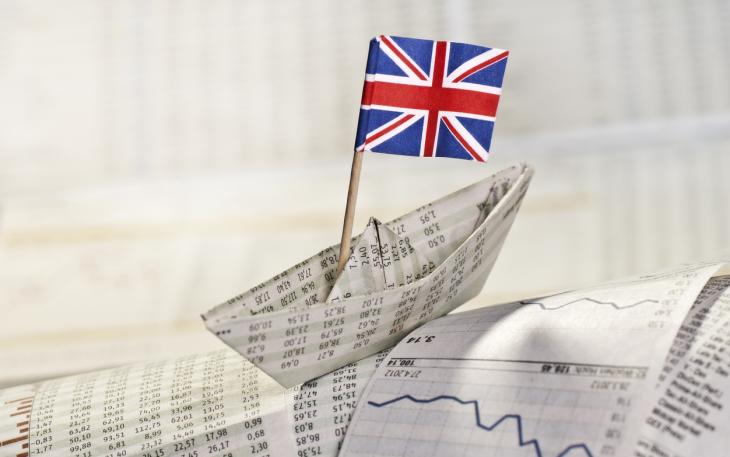

The conflict in Iran is rapidly becoming one of the most serious external shocks to the UK economy in recent years, reinforcing concerns about Britain’s exposure to global energy volatility and weak growth. Following analysis from the Organisation for Economic Cooperation and Development (OECD) suggesting the UK’s economy will be worst hit by the conflict, the government is quietly using the crisis to strengthen the political case for closer cooperation with the European Union.
Chancellor Rachel Reeves is attending the Spring Meetings, held by the International Monetary Fund (IMF) and World Bank Group, as well as talks with senior business figures, including JPMorgan chief executive, Jamie Dimon. Ahead of the trip, Reeves has said families and businesses were paying the price for instability “they did not cause”, calling for coordinated international action and a renewed push on energy security. The IMF has downgraded its UK growth forecast for this year, now expecting the economy to expand by just 0.8%, compared with a 1.3% estimate made in January. The adjustment reflects the impact of the war, tighter monetary conditions than previously anticipated, and the prolonged drag from higher energy costs. They had already warned that the “economic scars” of war will likely take years to heal, with energy importers facing disproportionate impacts.
This forecast looks particularly damaging for the UK economy. The OECD recently cut its 2026 growth forecast for Britain by 0.5 percentage points, giving the country the weakest outlook of the G20 major economies. Higher energy prices act as a direct tax on UK living standards, with inflationary pressures feeding quickly into household bills and business costs, while energy exporters such as the US benefit from higher global prices.
Energy security sits at the heart of this vulnerability. In 2024, the UK’s net energy import dependency rose to 43.8%, with more than 90% of imports consisting of oil and gas. Although electricity generation has shifted further towards renewables, the UK remains heavily reliant on gas as a marginal supplier. Gas still provided 26% of electricity generation last year. This means that gas sets power prices around 85% of the time, and therefore global gas prices continue to drive domestic costs regardless of renewable capacity.
While renewables are making headway in the UK, the system remains constrained by transmission issues, intermittency, limited storage, and reliance on global supply chains. The Middle East conflict has underlined these weaknesses, particularly given the UK’s comparatively low gas storage capacity. Any prolonged disruption pushes costs onto consumers, suppressing growth and placing renewed pressure on public finances.
This has revived debate over North Sea oil and gas extraction. Industry groups such as Offshore Energies UK argue that increased domestic production could reduce import reliance and unlock significant investment. However, others are sceptical, such as researchers from Oxford University and Greenpeace, who note the North Sea’s maturity, long lead times, and limited impact on short‑term prices. Analysis from the university suggests that additional drilling would do little to cut household bills compared with accelerating investment in renewables, storage and electrification.
Alongside economic pressures, defence spending has re‑emerged as a political fault line. Former NATO secretary general Lord Robertson has warned the UK’s security is “in peril”, criticising delays to defence investment plans as the government convenes a new Middle East Response Committee.
Taken together, these pressures are shaping the government’s wider strategic response, including renewed cooperation with Europe. A UK‑France summit on protecting shipping in the Strait of Hormuz is in the works to work on an aligned response to the crisis. Within the UK, polling indicates growing public support for closer EU ties: 66% favour improved trading relations, and 63% back tighter security cooperation. This comes as relations with the US have become more strained, and Keir Starmer said that closer relations with the EU were “too big to ignore”, highlighted by the conflict in Iran and the long-lasting impacts the war will likely have on the economy.
As the Iran conflict exposes the cost of economic isolation, alignment with European partners is increasingly framed as both a pragmatic economic option and a strategic necessity.
What to read next
Browse below for the latest news, insights and thought leadership from our team of experts

From waiting for Godot to winning trust: Communications lessons from IPEM 2026

Farage, Burnham, and the battle for authenticity

What Aristotle can tell us about corporate statements

The changing boundaries of privacy

The politics of presence: Why institutions need to be seen to be trusted

The CEO transition tightrope: How to signal change without undermining trust
Built to last? JLR redundancies challenge the government’s industrial ambitions
Time to plug in baby (solar goes mainstream)