Heat and hesitation
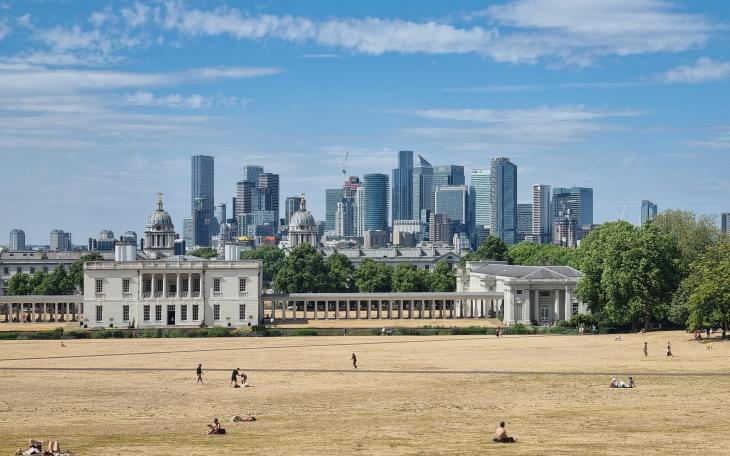

Things are heating up – literally and figuratively. The UK recorded its hottest May days on record this month, with temperatures hitting 33.5°C over the bank holiday, and 35.1°C on Tuesday, surpassing a benchmark that had stood for more than a century. In a business sense, it’s also reaching intensity as London Climate Action Week (LCAW) looms less than a month away, putting climate on people’s personal and business agendas.
Beneath the headlines of sunshine and summits sits a complex reality. The Climate Change Committee (CCC) this month issued a stark warning: the UK is “built for a climate that no longer exists”. On the surface, all are feeling (and generally enjoying) the warmer weather, but behind the scenes it is demonstrating resilience gaps across critical infrastructure, such as transport, hospitals and schools, which are unprepared for the extremes we are already seeing. For corporate affairs teams, this reframes climate as a material operational and reputational risk.
The wider UK picture reflects this tension between momentum and drift. On one hand, the low-carbon economy continues to demonstrate its value, with recent figures published showing that Scotland’s net-zero sectors now support over 105,000 jobs and contribute more than £10bn to the economy. On the other, warnings are growing sharper as experts caution Britain is “sleepwalking into a food crisis” as heatwaves, drought and supply pressures begin to hit agricultural output and food prices. Climate is becoming tangible and not just abstract.
In the corporate space, May has been defined less by bold purpose commitments and more by “recalibration” (aka, rolling back). BP returned to the spotlight, not for its strategy but its governance, following the removal of chair Albert Manifold after allegations of bullying behaviour. It’s a reminder that ‘purpose’ is still judged as much by culture and conduct as by climate pledges (for which BP has been the subject of regular coverage of over the past few years anyway).
Meanwhile, Burberry has become the latest major UK company to row back on its environmental ambition, delaying its carbon neutrality target by a whole decade from 2040 to 2050. The rationale given was that there is now a “greater understanding” of emissions across its value chain, which is one we have heard before. As companies dig deeper into Scope 3, targets are becoming harder to achieve; the question for corporate affairs is how to navigate this without appearing to retreat.
If business is recalibrating, politics is actively contesting the direction of travel. Interventions this month came from would-be PM Andy Burnham, whose 1,500-word essay this morning pitched him firmly against former-PM Sir Tony Blair’s call for a lighter-touch, deregulated economic model. Burnham’s argument is that the UK’s challenges require “strong public control” over key sectors such as energy, transport and housing.
This is more than an internal Labour debate. It signals a broader clash over how net zero is delivered and who leads it. Blair, in parallel, has been openly critical of current approaches, going as far as to mock Ed Miliband’s plans as a “quixotic fantasy” in a world where major emitters like China continue on a different trajectory.
Beyond the UK, the backdrop only intensifies. The UN’s World Meteorological Organization has warned there is an almost certainty that at least one year between 2026 and 2030 will become the hottest on record, with global temperatures increasingly likely to exceed the 1.5°C threshold. An El Niño event is expected to return later this year, further driving extreme conditions.
At the same time, the rules of the net-zero transition are subtly shifting. The Science Based Targets initiative (SBTi) has moved to ease the trajectory for 2030 emissions reductions, recognising the uneven starting points of businesses. In Europe, tensions are emerging around the geopolitics of green supply chains, with wind manufacturers warning against reliance on ‘non-Western’ technology.
Taken together, the picture is clear: climate remains a defining issue for business and policy alike, but the narrative is fragmenting. Heat records and climate summits may grab attention, but beneath them sits a shifting landscape of stretched ambition, backtracking, contested politics and rising real-world impacts.
For corporate affairs teams, the task is becoming more nuanced. Teams must tell a climate story, all whilst navigating one that is increasingly complex, scrutinised and, at times, contested.
What to read next
Browse below for the latest news, insights and thought leadership from our team of experts
It’s about housing, stupid

Budget 2026: What’s in store for developers?

Delegation Nation
Reframing Britain’s Brexit debate

The missing sector in Britain's growth strategy
Pacific Pre-COP31: Testing the waters ahead of Turkey

How communications drives deal outcomes

Vibes win the click. Only substance wins the trust.