High hopes for a splash of red, white and blue on Britain’s railways
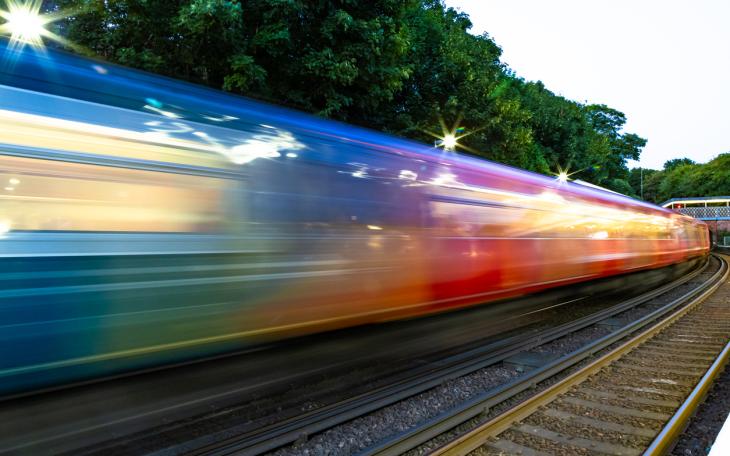

The government has unveiled its branding for Great British Railways (GBR) but what role will brand and design play in changing the perceptions of passengers?
It’s often said that you need the darkness to see the light. So, a wet and distinctly dark December morning at London Bridge station could not have provided a more contrasting backdrop for Transport Secretary Heidi Alexander’s launch of fresh and bright new branding for Great British Railways (GBR). She said that the new design, which features splashes of red, white and blue from the Union flag, “isn’t just a paint job”. Instead, she said it represents “a new railway, casting off the frustrations of the past and focused entirely on delivering a proper public service for passengers”.
For the government, the branding exercise symbolises its step forward in plans to nationalise the railways, a move that polling shows is highly popular. The new branding isn’t entirely new, as the iconic two arrowed British Rail logo – which dates back to the 1960s – will remain. But blessed with a picture opportunity and the promise of interviews with a Transport Secretary holding a miniature Hornby-style train decked out in the new colours, the morning broadcasters and photographers duly travelled to London Bridge (presumably by rail) to snap what the government will be looking to leverage as a rare bit of positive news.
But it got me thinking about the real point of this exercise. Taking away what presumably matters to most passengers - getting to their destination on time, safely and ideally with a seat - what impact might a new brand have on the public’s perception of train travel? Thirty years after the privatisation of Britain’s rail operations led to multiple train operators in the UK running differently branded trains often on the same track, will the emergence of one brand make us feel more pride in letting the train take the strain?
Research does seem to back up the importance of design in rail infrastructure (the fixed assets of the train network such as stations, rather than the trains). A report from the Design Council highlighted that good design adds significant social, environmental and economic value that contributes to local and national economic growth and regeneration. Good design in infrastructure also offers the opportunity to improve environmental performance.
GBR will bring the running of passenger trains and infrastructure under one umbrella body for the first time since privatisation in the mid-1990s when the railway network was reshaped into multiple private companies (with different branding) operating the train rolling stock, while tracks and stations remained publicly owned.
While GBR’s new look received a mixed response from design critics, the government will be hoping that this is one piece of news that lands positively with voters and signals an ambition that goes beyond branding, showing an urgent ambition for growth - and to finally get Britain moving.
What to read next
Browse below for the latest news, insights and thought leadership from our team of experts
The art of the teal
Pay to stay: can England’s mayors follow Manchester’s lead and turn a ‘tourist tax’ into growth?
All change on local government reorganisation

From drought to disruption: Why adaptation matters now

Australia's AI chart crackdown signals a wider shift in trust and disclosure

From Waiting for Godot to winning trust: Communications lessons from IPEM 2026
Farage, Burnham, and the battle for authenticity

What Aristotle can tell us about corporate statements