A new nuclear future: Primed for power in the South West
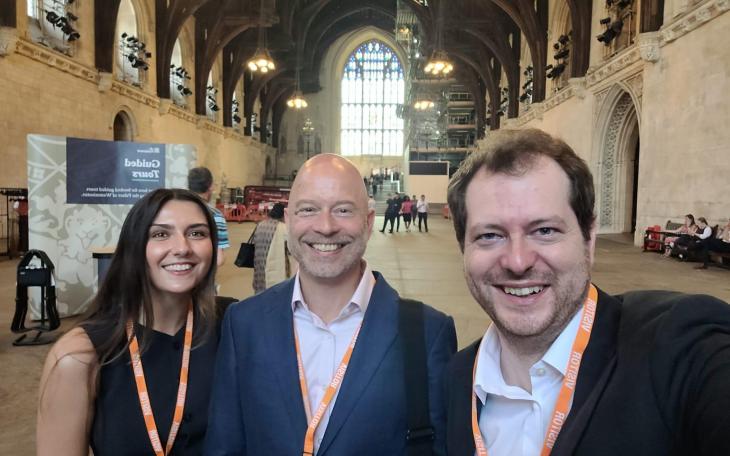

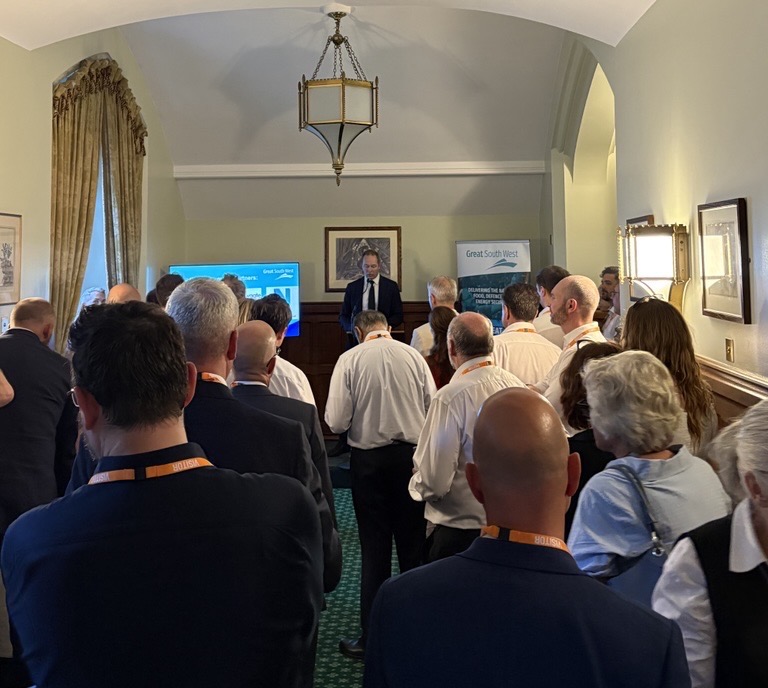
Yesterday, SEC Newgate UK hosted The Great South West: A New Nuclear Future in Westminster in partnership with Great South West. The event brought together industry leaders, academics and MPs for an afternoon of engaging conversations around the future of nuclear energy generation in the South West. Discussions covered the current policy environment surrounding the sector and where gaps exist between policy and implementation, with one key message cutting through: the deployment of new nuclear assets, particularly in the South West, is not a question of skills or supply chain. The region is already primed for this kind of development, and it’s time for policy to match its preparation.
The South West combines several advantages that are difficult to replicate elsewhere. With civil construction on Hinkley Point C nearly complete, the project has created a skilled local workforce, appetite, and understanding of nuclear deployment. Sites such as Winfrith and Oldbury present opportunities for developers to explore, yet this seems to lack momentum at the national level. Land, expertise, and industrial capability are already in place, and what the industry needs is the certainty from government to unlock investment and give developers the confidence to move forward.
The strategic case is equally clear. At the event, speakers emphasised the importance of reducing reliance on international energy markets and strengthening domestic resilience. Particularly in times of global instability, nuclear has a central role to play in delivering that security and meeting the UK's growing energy demands.
The expansion of domestic nuclear energy generation will also offer long-term economic benefits. Jobs in the sector are typically higher skilled and higher paid, which can have a significant impact in areas with historically lower levels of social mobility. Crucially, it creates opportunities for people to build careers within their own communities, rather than relocating elsewhere for work.
Yet for all this potential, yesterday's conversation didn’t shy away from acknowledging delivery risk. While the legacy of Hinkley Point C has improved local capability, there is still a gap in attracting new talent to the sector. Misconceptions around nuclear energy continue to shape overall sentiment, particularly among younger people, and this is further evidenced in public perceptions research undertaken by SEC Newgate last year. There was a clear call to better align education and employment pathways, including stronger coordination between technical colleges and a more consistent offer of structured work experience from employers.
The key to unlocking the potential of the South West as a vital player in the UK’s nuclear landscape will be coordinated momentum from across the sector. The supply chain and workforce built up around Hinkley Point C represent a significant national asset waiting to work on the next big thing. But, without a clear pipeline of projects to look forward to, that capability could disperse. Given a lack of visibility around what'scoming up in the region, many of the skilled workers currently based in the South West may have to make a choice between an uncertain future at home and looking for concrete opportunities elsewhere. Without the right guidance, what could be a region leading the charge in British nuclear innovation could instead be transformed into a prime example of domestic brain-drain.
Above all, policy stability emerged as a critical factor in yesterday’s conversation. Investors are unlikely to commit to projects of this scale without confidence in a consistent and predictable policy environment. There is a need to reduce risk, not just in technical delivery but in the broader regulatory and political landscape.
This point is particularly pertinent given the current political context. This week's resignation of Prime Minister Keir Starmer introduces a period of uncertainty at a time when clarity is needed most. His likely successor, Andy Burnham, has so far said little about his priorities for nuclear development, and for an industry that depends on long term planning and capital investment, any ambiguity risks slowing progress.
So what does success look like? It is not simply a question of ambition or targets. It means seeing projects move from discussion to delivery, particularly in regions like the South West where the conditions are already favourable. It means creating a stable framework that supports investment and enables industry to plan with confidence. And it means ensuring that local people are equipped to access the opportunities that nuclear development brings.
What to read next
Browse below for the latest news, insights and thought leadership from our team of experts

Abundant energy at Climate Week NYC

Conference season meets energy reality

Ed Sheeran’s case study on the death of strategic neutrality

Merz's election setback and what it means for Germany
From manifestos to bricks and mortar: how do we get more homes built?
From coalition to collapse ... and back again?
Framing the narrative in favour of Jackdaw

From Manchester to Manhattan: Andy Burnham's Trump test