A sense of cautious optimism amongst investors at EXPO Real
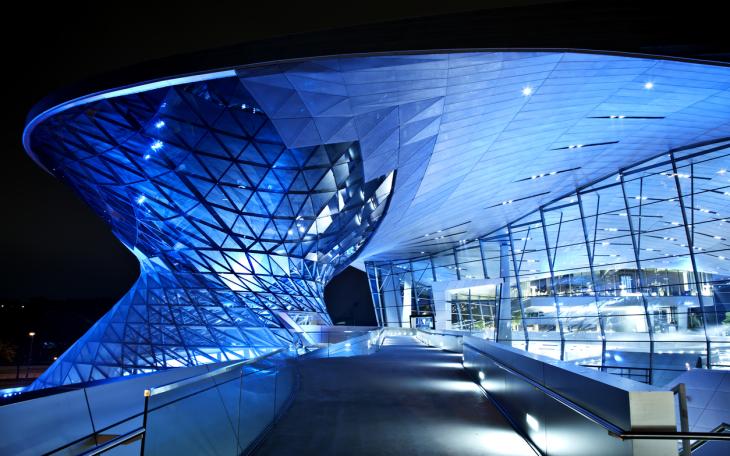

It was a very busy few days at EXPO Real in Munich, where those across the real estate investment industry meet up to share ideas. The packed halls meant it was standing room only at most discussion forums. While last year’s EXPO saw 13 units given over to EXPO lounges and spaces run by the conference organisers themselves, this year there were only three, which was indicative of the raised confidence there seems to be amongst the industry.
While last year’s market uncertainty kept many people away, this year, despite the recovery not being as swift as some might have hoped, courtesy in large part to Trump’s tariffs, French political turmoil and continued military conflict, investors are increasingly looking to start spending. Sentiment is that investors are back, picking up the phone again, and willing to speak more openly and realistically about where real estate sits in their portfolios.
It seems there is lots to be optimistic about. From a transaction perspective, the understanding is that preparations for many are underway, with the potential for 2026 to get off to a particularly strong start.
Retail - once a problem child asset class that has experienced nearly a decade of industry bashing - is seemingly rallying, with increased demand thanks largely to a boom in tourism. Shopping centres, particularly in southern European countries, are proving attractive again, and because the basis was previously so low, there are good opportunities for strong returns.
In terms of catering to the green transition, energy efficiency has already been embedded in plans for new buildings, making it less of a ‘nice to have’ and more of a given. Instead, it is the existing stock that needs to be addressed. The next step will be how developers can best support biodiversity. Buildings will need to demonstrate how they improve occupier health and wellness, and how they contribute to the overall liveability of a city.
Logistics and infrastructure are areas of interest for many of the coming months, and there is a pressing sense of urgency. The critical need for improving the digital infrastructure across the continent is acute but the region is struggling to secure the investment required. Data centres, for example, are urgently needed but each requires a minimum investment of €1 billion. The region needs to catch up.
However, the spectre of war is looming over the horizon, with one US investor commenting, “Invest in Europe? But you’re at war!”. Thankfully, this sentiment is not widespread, with most international investors instead looking to pull out of the US market and move to Europe and APAC instead.
The increase in defence spending by administrations across Europe has had a big knock-on effect on the real estate environment, specifically in logistics with the greater demand for ammunition storage and the like. Some have seen a direct impact in the CEE region, with investors shying away due to the underlying threat from Russian drones.
Be that as it may, there was agreement that every sector in the economy, including real estate, needs to think about what they can do to support national preparedness. There needs to be creative solutions as to what can be delivered, how it can be included in the defence supply chain and how they can create a built environment that supports a worst-case scenario.
What to read next
Browse below for the latest news, insights and thought leadership from our team of experts
Going for the Grid: Burnham tries to take back control

Your First Home: a helping hand for buyers or a boost for housebuilders?
Solar and Storage Live: The shift from tick-box consultation to meaningful engagement

Burnham goes big in first conference speech, but real test still lies ahead at the Budget

Why dark social matters more than ever

Corporate affairs and navigating dystopia
The new reputation battlefield: Navigating risk in a fragmented media landscape

Investors ponder what's next in property