John Healey's maiden budget
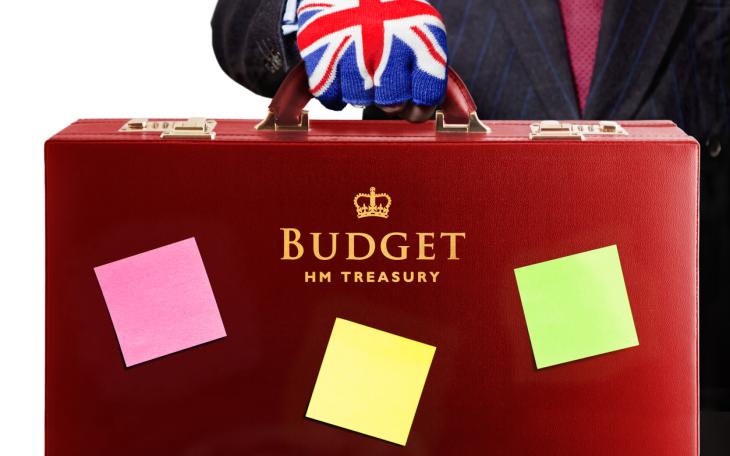

The moment we’ve all been waiting for is upon us: Andy Burnham’s government’s first Budget.
However, the media activity we are seeing from the Prime Minister has not been consistent with what we would expect to see in the week leading up to a Budget, and one that has been touted as a make-or-break political event at that.
As my colleague Amiel Bakshi wrote in his piece earlier this month, Burnham has led his government on what appears to be vibes alone. But how will this vibes-based approach to government translate into the serious economic decisions that a Budget requires?
The Prime Minister has taken to the stage over the past week to discuss the EU. Though undoubtedly important, and clearly an issue that Burnham’s government is keen to keep front and centre in its agenda, it is unusual to see coverage of anything other than the Budget as we get closer to that all-important announcement on Wednesday.
Where recent Chancellors have cultivated a media presence and Budgets have increasingly been leaked ahead of the Statement, John Healey has remained largely out of the public eye. Instead, this Budget harks back to a time when leaks were rare: just as Healey’s appointment was kept under wraps, the contents of his maiden Budget have remained closely guarded.
Of course, speculation has still arisen about what the Budget will include. From a restoration of the £2 bus fare, to changes to the costs of buying a house and to tax rates, the issues under discussion have been broad.
However, crucially, the government has not been baited by this chatter, instead choosing to release a number of small yet welcome changes designed to help people across the country manage the high cost of living.
Measures that have already been confirmed include keeping corporation tax at 25%, allowing for market stability, whilst continuing to protect smaller businesses.
Amongst smaller changes, including making the 55p per mile tax-free mileage rate permanent for workers and removing tariffs on food products, not much else of note has been announced.
Whether this is symptomatic of a more unified Cabinet or a tighter group in the know about government’s plans remains up for debate.
One thing is for sure: a lack of leaks is likely to make it harder for opposition parties to cobble together coherent criticism as they have done previously.
So, is this government cruising through on vibes alone, or does this mark a return to political discipline and experienced governing?
The answer depends on what the Chancellor delivers at the Despatch Box.
What to read next
Browse below for the latest news, insights and thought leadership from our team of experts

The activist advantage: Why boards need a clearer story

Lula secures a fourth term and accelerates Brazil’s regulatory agenda

Does Lena Dunham have a point about thought leadership?

Bringing Gen Z into the pensions debate

Reflections from Liverpool: reputation, risk and a changing pensions landscape
Pensions reform in focus

Data Centres - Will we learn from the past?

Profit warnings and the importance of context