Keir Xi comes
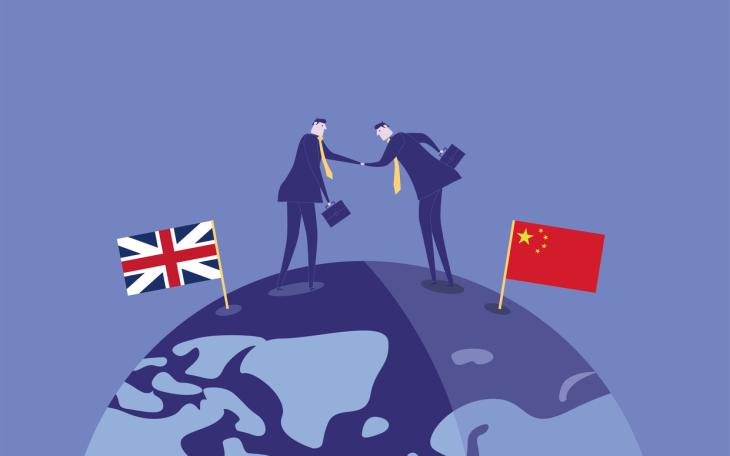
Proverbial white smoke coming out of Beijing today as Keir Starmer and Xi Jinping met and signed a number of agreements, with the promise of a more consistent and sophisticated relationship between the two countries going forward.
The agreements range in topic from illegal immigration, vocational education, and food safety, with headline commitments to end visa requirements for short-term UK travellers to China and halve import taxes on UK whisky. AstraZeneca has also pledged to invest £10.9bn into the country by 2030, in a move Starmer says could provide “thousands of jobs”.
Other trailed deals on energy infrastructure and electric vehicles have not yet emerged, and it is fair to say that the tone of the agreements seem to lie more in the realm of feasibility assessments than rigid commitments. This will likely be disappointing for Starmer, who may have been banking on more exciting headlines to combat criticism of the mere principle of engaging with China.
This criticism has been well-articulated back at home in his absence, with Kemi Badenoch advising “she wouldn’t go to China right now” and Shadow Home Secretary Chris Philp stating that the visit, alongside the decision to approve the new Chinese embassy in Tower Hamlets, could put UK national security at risk.
However, the visit is not out of step with other countries, with leaders of France, South Korea, Ireland, Canada and Finland accepting invitations from the Chinese capital, and the German chancellor expected to visit next month. For now, it appears that a known risk is more acceptable than an unpredictable one, which is what China is banking on. In a statement today, Xi Jinping labelled this engagement as imperative for peace in a turbulent and fluid world.
This trip also chimes with the strategy that the UK government has been implementing for the past six months: look outwards to tackle domestic problems. From Desert Davos, actual Davos and now this, the government is hoping to (eventually) demonstrate to voters that courting external investment – be it countries or companies - is genuinely in the national interest. See today: the link between one of the agreements to preventing small boat crossings from France (signed over 8,000km from Dover).
It is also shown in the 51-strong attaché brought along for the visit, with City giants and high-profile British brands including HSBC, Standard Chartered, Schroders, and the London Stock Exchange Group, alongside AstraZeneca, Jaguar Land Rover, Octopus Energy, and Brompton. Also along for the ride were representatives from cultural and sporting institutions including the World Professional Billiards and Snooker Association, the Royal Shakespeare Company and the Birmingham Museums Trust, suggesting a broadening of relationships that goes past pure economic growth.
All this is to bet on being able to silo business and economic growth away from national security and human rights issues for the foreseeable future. Starmer says that in today’s meeting he “respectfully” raised difficult issues with Jinping and has promised ongoing “frank and open dialogue on areas of disagreement”. It remains to be seen whether today’s announcements will be enough to weather the political pressure that awaits him at home, with critics seeing resolution of such issues as a prerequisite for growth, rather than alongside it.
This is also important for businesses too. In a world where corporate diplomacy is more important than ever, navigating the increasingly complex geopolitical landscape must be balanced with the engagement on environmental and social issues that the public expects. Significant backlash, if not handled correctly by the government, could have more far-reaching consequences than a couple of points in the polls.
What to read next
Browse below for the latest news, insights and thought leadership from our team of experts

The art of the teal

Pay to stay: can England’s mayors follow Manchester’s lead and turn a ‘tourist tax’ into growth?
All change on local government reorganisation
From drought to disruption: Why adaptation matters now

Australia's AI chart crackdown signals a wider shift in trust and disclosure

From Waiting for Godot to winning trust: Communications lessons from IPEM 2026

Farage, Burnham, and the battle for authenticity
What Aristotle can tell us about corporate statements