Is the pursuit of perfection now costing places their soul?
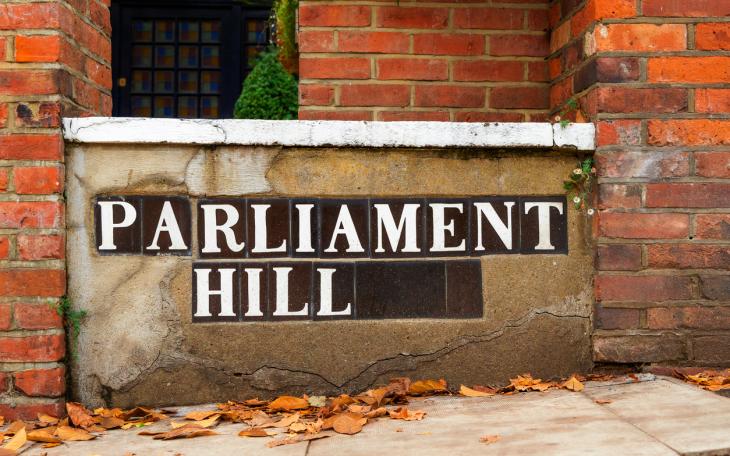

Amid geopolitical tensions of the Swiss ski resort, another row was quietly brewing last week - this time in a quiet north London enclave as residents dialled up their fight against the ‘upgrade’ to a beloved local cafe.
One that, while being notably more niche and perhaps less overtly provocative as some world events, has nonetheless caught the attention of locals, celebrities, and media headlines. And brought into focus a much wider debate about identity, belonging and what we risk losing in the pursuit of polish.
The Parliament Lido Café (or “community caff – not café with an e” as is lobbied by its patrons) has been an independently run, local hero of the local community for generations. Most recently run by a small company, led by a husband-and-wife team since 2017. However, the City of London Corporation sought to retender their operations last year and confirmed the current operators are to be replaced by Daisy Green, a fast‑growing, Australian‑inspired hospitality group.
The announcement has spurred high-profile objection, including petitions signed by more than 20,000 people and vocal support from celebrities including Benedict Cumberbatch and James McAvoy. Life-long locals have voiced their woes of fond, grounding traditions with the café and adjoining lido that define the area and their experience of it, which they had hoped their own children would enjoy, in contrast to a homogenised brand fabric of the rest of the city.
It has since inspired reports across The Times, BBC, The Independent, the Evening Standard, PA Media and local titles such as the Ham & High. Campaigners argue the cafés are not simply places to buy coffee, but informal community hubs built over decades - spaces that host local art, children’s events and everyday encounters that give the place its lived character. The City of London Corporation, by contrast, says the tender process was open and that the new operator will bring investment, improved facilities and consistency.
While there are solid arguments on both sides, this tension - between community texture and commercial optimisation - is not unique. This is only the latest account of residents pushing back against the replacement of independent, idiosyncratic businesses with recognisable, “safe” brands. In east London, traders and locals have long resisted the steady encroachment of chains into places like Broadway Market, fearing a loss of the informal, slightly chaotic charm that made it special. In Bristol, independent café owners have spoken out as well‑known chains move into neighbourhood high streets, flattening the city’s famously eclectic retail identity. Even villages such as Totnes and Hebden Bridge have mounted campaigns over the years to limit the spread of national chains in favour of local enterprise.
What unites these stories is a concern that identity cannot be replicated at scale. Independent cafés, bookshops and markets often reflect the people who run them and the communities they serve. Their imperfections, whether they be quirky menus, uneven opening hours, or mismatched furniture (or an especially eclectic blend of all three) are precisely what root them in place. When these are replaced by slick, uniform experiences, something harder to quantify is lost: memory, familiarity, and the sense that a neighbourhood belongs to its residents rather than a brand manual.
The latest controversy from the lanes of Parliament Hill lido is ultimately about more than coffee or use of a class-insinuating vowel. It is a reminder that places derive their meaning from individuals, histories and relationships. In relentlessly chasing efficiency and perfection, we risk creating environments that look better on paper but feel emptier in real life. And once that local identity is gone, it’s not easy to bring back.
What to read next
Browse below for the latest news, insights and thought leadership from our team of experts

It’s about housing, stupid

Budget 2026: What’s in store for developers?

Delegation Nation

Reframing Britain’s Brexit debate

The missing sector in Britain's growth strategy

Pacific Pre-COP31: Testing the waters ahead of Turkey

How communications drives deal outcomes

Vibes win the click. Only substance wins the trust.