Europe’s Improving IPO Market is More than Just a Blip
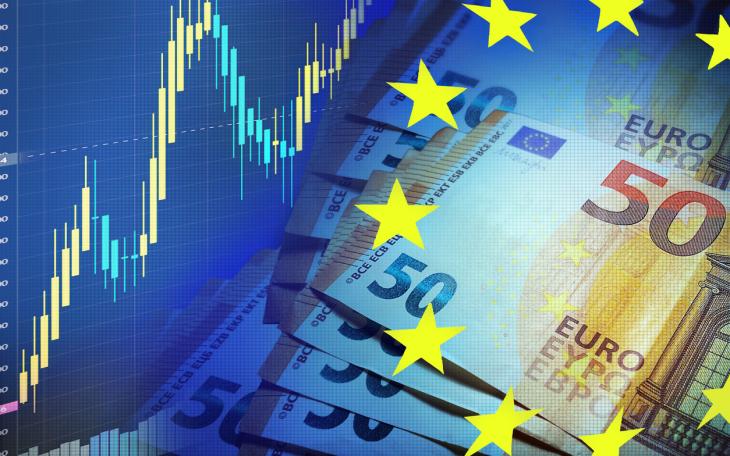

Is the European IPO market genuinely staging a recovery? Company listings have been a relatively rare event for almost five years now but, so far, the continent is enjoying its best January ever in terms of total funds raised at listing.
Since the start of the year there have been five IPOs in Europe that between them have already secured some €4bn, roughly a quarter of the €16.1bn of funds raised in total from IPOs in 2025.
Of course, five swallows do not a summer make, but there are several converging positives that suggest we may be witnessing a thaw at the end of what has been a long cold winter.
Interest rates have fallen, reducing the discount rates applied to companies, and have now stabilised, such that future earnings can be forecast and valuations ascertained with greater confidence. Alongside that, share prices of European equities have hit record levels, providing a pricing environment that is more attractive to CEOs who are considering selling their companies to the public.
Furthermore, there is a substantial pipeline of companies seeking an IPO. Potential flotations don’t simply disappear but sit on the sidelines waiting for the right conditions. The longer conditions remain unattractive the more the queue builds and after such a long drought there is clearly going to be a considerable backlog.
Similarly, these companies will, in the main, have been steadily improving their operations and financial performance during the downturn, such that the quality of businesses within the pipeline has also improved.
This is evident in the listings we’ve seen so far this year including sizeable businesses such as ammunition maker, Czechoslovak Group, with a €34bn market cap. Other multi-billion-euro companies due to list in the coming months include Dutch mobile network, Odido, and crypto broker, Bitpanda, with expected valuations of €7bn and €5bn respectively.
Mature, more resilient businesses will also likely be in favour with an investor audience that may have suffered a few stings from some of the many speculative companies that came to market in 2021, boding well for the successful conversion of the pipeline.
A sustained reopening would deliver benefits across the entire capital markets ecosystem. A shrinking investment banking community can begin to rebuild; European exchanges will regain depth, liquidity and renewed global visibility; and public market investors gain exposure to quality growth companies.
At the same time founders and employees will have access to liquidity, transforming paper wealth into genuine financial flexibility; and private equity and venture capital firms, which have recently resorted to selling assets to one another, will regain the ability to achieve exits and recycle capital after being locked into ageing portfolios.
Hg’s expected €19bn float of software company, Visma, is one such example of European public markets re-emerging as a viable option for private equity exits. Expected to be a London listing, the resurgence in IPOs should stretch beyond the European mainland. Other established businesses expecting to float in London this year include roadside assistance company, RAC; high-street book retailer, Waterstones; and digital bank, Monzo.
In conclusion, the strong start to the year for Europe’s IPO market is likely more than just a blip. A combination of steadier, lower interest rates; higher share prices; patient capital and a generous pipeline of quality candidate companies suggest a sustainable market and better times ahead.
What to read next
Browse below for the latest news, insights and thought leadership from our team of experts

It’s about housing, stupid

Budget 2026: What’s in store for developers?

Delegation Nation
Reframing Britain’s Brexit debate

The missing sector in Britain's growth strategy

Pacific Pre-COP31: Testing the waters ahead of Turkey

How communications drives deal outcomes

Vibes win the click. Only substance wins the trust.