The King's US visit: A masterclass in soft power and choreography
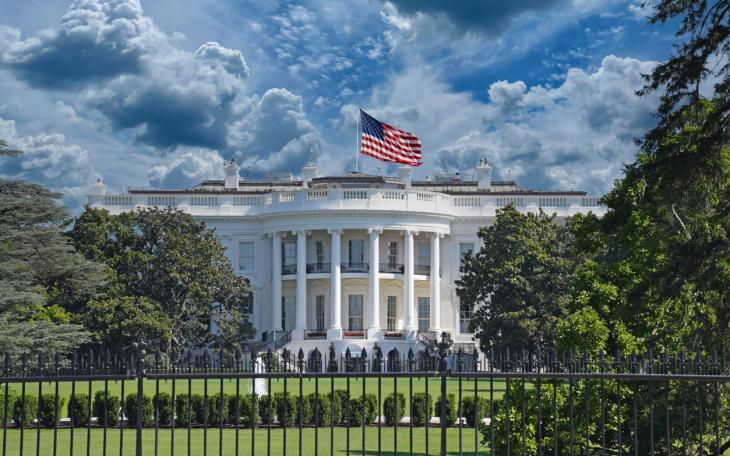

There are few countries in the world that deploy soft power as well as the United Kingdom. Faced with an unpredictable and critical President Trump, the King and the UK government can be pleased with the results of the state visit to Washington.
In recent weeks, the UK has been battered by hostile criticism, from threats of tariffs because of UK digital services tax on big US tech firms, to President Trump remarking that Prime Minister Starmer was “not Winston Churchill” after failing to help in the Iran war.
The state visit to mark the 250th anniversary of independence was seen as an opportunity to provide a reset to UK-US relations, although Keir Starmer faced pressure from Labour backbenchers and the Lib Dem leader Sir Ed Davey to call off the visit, given the repeated insults and damages to the UK.
The visit was not without its risks, but the US President’s soft spot for the British Royal Family showed the value of letting the visit go ahead. Few other global figures can speak truth to power in the way the King was able to do in Washington to President Trump.
It was an unusually political speech to Congress, and a masterclass of oratory. While President Trump was, by convention, not present in the chamber, it was clearly drafted to speak directly to him – and as an avid viewer of network TV, Trump would have listened to every word.
The King spoke up for Ukraine, of the importance of NATO, and the historic significance of Magna Carta and its role in placing checks and balances on executive power. In many cases the King’s language was barely coded, particularly when he remarked that, “America’s words carry weight and meaning, as they have since independence. The actions of this great nation matter even more.” Even the events across the broader programme of the King’s visit were powerful and symbolic, from the wreath laying at the Arlington National Cemetery to the visit to the 9/11 memorial – a reminder of the time when NATO activated Article 5.
The King later gave another speech at the White House state dinner. He referred to the moments of difficulty in the special relationship, but that it had always won through. Importantly, there was also flattery of the President. The King’s personal gift of the original bell from HMS Trump to the President was a masterstroke of modern diplomacy. It was symbolic in so many ways – recalling the shared struggle during the Second World War, the contemporaneous link with AUKUS – the modern UK, USA and Australian plan to build the next generation of nuclear submarines, and was a gift of genuine historic and personal importance. It will no doubt have been received with great pleasure.
If any other world leader had attempted this deft critique and reminder of the shared values between the UK and the US, there would no doubt have been a series of sharply worded Truth Social posts haranguing the speaker. Instead, the President remarked that the UK was a “small but mighty kingdom across the sea…with the most cherished of friendships” with the United States.
The King’s years of diplomatic experience prepared him for exactly this moment, and it was critical that it was a success. For while the soft power machinery of the UK is as well-oiled as ever, the criticisms of its hard power are difficult to ignore.
While the King acknowledged in his speech to Congress that the UK needed to increase defence spending, the inaction from the government in fulfilling this pledge is concerning to allies.
The UK is months late in publishing the Defence Investment Plan, promised to be delivered initially before Christmas, with a reported £28bn black hole in the Defence Budget. Royal Navy ships have been prevented from sailing due to lack of money, and the Royal Fleet Auxiliary, which provides fleet tanker and store ship support to the Navy, cannot retain skilled rank-and-file.
The latest news that two frigate build slots have been granted to the Royal Norwegian Navy has caused concern because the government has so far refused to commit to UK ships being added to the build queue to replace them. Facing criticism at the last Prime Minister’s Questions before next week’s local and national elections, Keir Starmer could only provide partisan answers rather than firm commitments, timetables and funding.
At a time when the world is becoming increasingly uncertain, the UK needs to pull its weight, or it will find that the benefits of soft power are unable to deal with the new realities of the collapse of the post-war rules-based world order.
What to read next
Browse below for the latest news, insights and thought leadership from our team of experts
The art of the teal
Pay to stay: can England’s mayors follow Manchester’s lead and turn a ‘tourist tax’ into growth?
All change on local government reorganisation

From drought to disruption: Why adaptation matters now

Australia's AI chart crackdown signals a wider shift in trust and disclosure

From Waiting for Godot to winning trust: Communications lessons from IPEM 2026
Farage, Burnham, and the battle for authenticity
What Aristotle can tell us about corporate statements