Why markets remain resilient amid global disruption
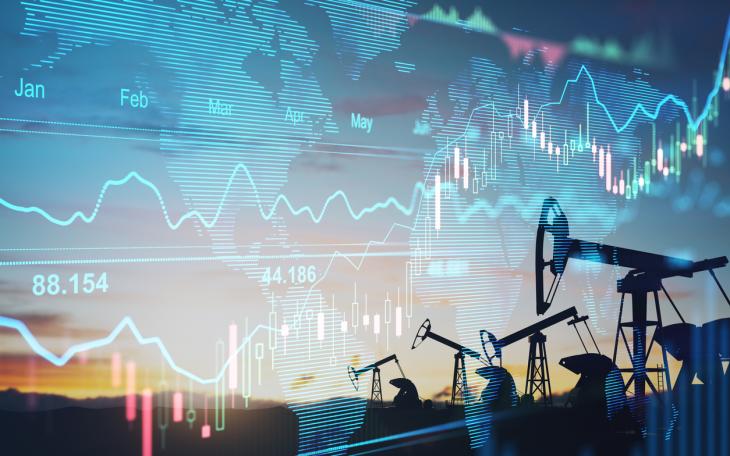

From journalists to the Bank of England's Deputy Governor for Financial Stability, there are a lot of commentators currently proclaiming that global stock markets are too high and a correction is on the way. How can equity prices be higher than they were before the US invaded Iran - don't investors understand that the situation hasn't improved? The Strait of Hormuz is still blocked, cutting off 25% of the world’s oil, 20% of its natural gas, 30% of its fertiliser, and similar proportions of a long list of other essential raw materials. We’re about to enter the biggest energy crisis the world has ever known while simultaneously being hit by global food shortages and unprecedented industrial disruption. Inflation is on its way and it's going to be carnage for equities.
The short answer is yes, of course the markets understand. The markets are simply a function of supply and demand based on the information that is available to the world at that point in time. Theoretically, the market is never wrong, although market commentators, such as journalists and the Bank of England, can be.
What the market is doing, as it always does, is weighing the negatives against the positives. Yes, these are dangerous times but they are also times of huge promise. Artificial Intelligence does have the potential to create sweeping productivity gains. The valuations of some of the big AI businesses may look stretched but the companies developing the technology aren’t the only beneficiaries. AI could benefit almost any company that is involved in data analysis, content creation, customer interaction or that performs manual or repetitive tasks. This includes sectors as wide-ranging and diverse as engineering, manufacturing, healthcare, finance, marketing, technology, media, e-commerce and professional services. Would investors want to be on the sidelines as listed business across the board start to post significant AI driven profit increases. Those capital gains could come in very handy, especially if AI developments temporarily take your job.
The great scientific breakthroughs of the past, from the steam engine through to electrification, computerisation, and the internet, all created huge productivity gains, with a rising tide that lifted all boats. Many AI cynics point to the significant time taken for these technologies to be adopted universally, but AI has been under development for many years and we are now at the stage of mass adoption with productivity gains already becoming evident in the earnings of listed businesses. The S&P 500 might be at an all-time high in absolute terms, but its forward price to earnings (PE) ratio is not, because the forecast earnings of its constituents have been rising faster than their share price, in part because of AI driven efficiencies that are already being realised. The S&P 500’s current PE of just over 20 times is lower than it has been since November 2023 so by that rationale shares could be argued to be cheap.
It’s also common for market commentators to suggest that the market is expecting a fast end to the war in Iran, with any long-term continuation of the situation not being adequately reflected in current share prices, but again that misses the full picture. The market is pricing in the risk of the war continuing against the many potential upsides in the market. If the Strait of Hormuz were to reopen tomorrow, we could expect to see a material uplift to global markets.
What's less talked about, is what happens after Iran. It may seem hard to believe, but we're still only 15 months into a presidency in which the markets have endured a global tariff shock, threats to the independence of the Federal Reserve System, the invasion of Venezuela, the potential annexation of Greenland, and the war with Iran. The expectation that we won’t see more of the same during the ensuing 33 months of the current administration is naive at best and the days when the US was only at war with Iran may be looked upon fondly as a time of wine and roses.
But don't worry too much. The market has priced this in as well and the potential upside counters even that.
What to read next
Browse below for the latest news, insights and thought leadership from our team of experts

The art of the teal

Pay to stay: can England’s mayors follow Manchester’s lead and turn a ‘tourist tax’ into growth?

All change on local government reorganisation

From drought to disruption: Why adaptation matters now

Australia's AI chart crackdown signals a wider shift in trust and disclosure

From Waiting for Godot to winning trust: Communications lessons from IPEM 2026

Farage, Burnham, and the battle for authenticity
What Aristotle can tell us about corporate statements