In a stalled government, Ed Miliband keeps the clean power agenda moving
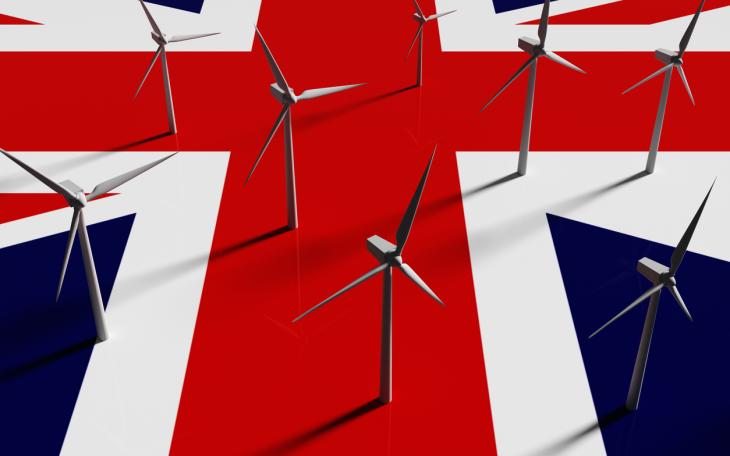

Ed Miliband continues to be the dominant figure in Keir Starmer’s government and reinforced his status with a headline-grabbing announcement this week with a long-anticipated move to ‘break the link’ between gas prices and electricity prices.
Speaking at the Good Growth Foundation’s National Growth Debate, Miliband committed the government to doubling down on his Clean Power agenda and proved that no matter what direction the Labour party go in in the coming months, his influence will remain significant.
As the government continues to figure out how best to respond to the second energy crisis in five years and support households and businesses, the Energy Secretary has been clear that he will continue to push the green agenda forward. At the Conference, Miliband told the audience: “The era of fossil fuel security is over, and the era of clean energy security must come of age.”
Along with the move to move to delink gas and electricity prices, there were further announcements from DESNZ to increase taxes on wind and solar farms in a bid to push them voluntarily onto fixed-price contracts, bigger grants for households on heating oil and LPG, further details on Transitional Energy Certificates, solar panels for schools and colleges, driving forward plans to massively expand renewables across the Public Estate and consulting on a new Reformed National Pricing Delivery Plan.
However, Miliband and the government have faced an immediate question of their commitment with reports this morning that in a letter sent before the oil and gas price surge caused by the US-Iran war, the Industrial Strategy Advisory Council told Sir Keir Starmer and Rachel Reeves to look again at further North Sea gas exploration to protect jobs and reduce reliance on imports. The Times reported that in a private letter to the Prime Minister and Chancellor, the Council urged ministers to explore the most effective use of the North Sea, reflecting their concerns that Labour’s policy is too “restrictive”.
The intervention highlights the tension now sitting at the heart of Labour’s energy policy. With growth weak, industrial pressure mounting and geopolitical shocks pushing prices higher, there is an obvious pull towards short‑term pragmatism. For critics of the government, the advice from the Industrial Strategy Advisory Council exposes the risk that Labour’s clean power rhetoric runs ahead of what is needed right now. It also raises an uncomfortable question for ministers over whether maintaining credibility with industry and unions will require tactical flexibility on fossil fuels, even as the clock ticks towards net zero.
Miliband, however, shows little sign of retreat. His argument is that renewed dependence on North Sea gas would merely deepen the UK’s exposure to volatile global markets while crowding out investment in the clean technologies that offer longer‑term stability. In that sense, the political paralysis elsewhere in government arguably strengthens his hand. With few other bold economic reforms landing, clean power remains one of the few areas where Labour can project purpose, direction and delivery.
That dynamic reinforces Miliband’s position as the defining voice in Starmer’s government. He continues to frame the green transition not as a moral add‑on, but as the core organising principle of the government’s programme and is betting that doubling down on clean power is the only response that offers a route out of the cycle of shocks and short‑term fixes. In a government often accused of treading water, it is his agenda that continues to set the course.
What to read next
Browse below for the latest news, insights and thought leadership from our team of experts

The art of the teal

Pay to stay: can England’s mayors follow Manchester’s lead and turn a ‘tourist tax’ into growth?

All change on local government reorganisation

From drought to disruption: Why adaptation matters now

Australia's AI chart crackdown signals a wider shift in trust and disclosure

From Waiting for Godot to winning trust: Communications lessons from IPEM 2026

Farage, Burnham, and the battle for authenticity
What Aristotle can tell us about corporate statements