Elections before reorganisation – are we just shuffling the deck chairs?
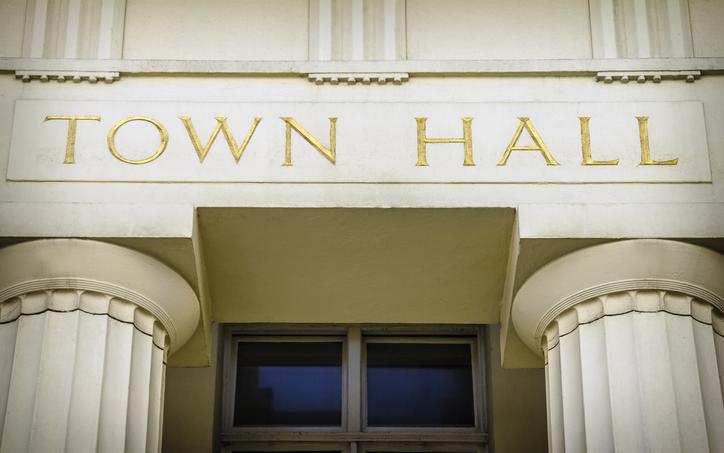

At the end of 2024, the Government outlined the plan for a simpler local government structure. The goal was to streamline and reduce costs by eliminating the two-tier system of districts and counties and replacing it with single unitary authorities. The transition process included the opportunity for councils to propose their preferred structures (due last autumn), an opportunity for public consultation (many of which have just ended), ahead of the SOS decisions (expected this summer). While that process and the end goal all make sense, the transition has played havoc on local elections leading up to it.
Initially, councils with shadow elections planned for 2027 such as Essex, Hampshire, Norfolk, and Suffolk, were asked if they wanted to postpone their local elections this year, to which 30 agreed. After a quick aboutface, that decision was quickly overturned in February this year, giving candidates just 3 months to prepare for elections in May. This on-again/off-again approach has created confusion and uncertainty, which could put new candidates at a disadvantage to incumbents, with a shorter period to raise support and establish themselves. On the ground, we’re hearing that candidates have had less time to prepare, which has meant less canvassing than usual. However, voters are supercharged by the idea that Government tried to deny their chance to vote, suggesting even larger swings to Reform.
The bigger question to consider is the initial reason to postpone the elections in the first instance-- the upcoming reorganisation. For everyone but Surrey, all of the new unitary councils will have elections in 2027 for the new structure. New lines for ward boundaries are being drawn, and every seat is up for election. This election will appoint the shadow councillors that oversee the transitions, before the final unitary councils take power in 2028. We anticipate a major lead up these elections next year, prepare to be leafletted.
With such a massive election coming soon, this year’s candidates are in a really unique position. Anyone who wins the local elections now, will almost immediately need to start campaigning again for next year’s elections. In an environment where opposition to those in power is popular, from either the greens or reform, there’s a risk to assuming an office and having to be responsible for delivering services, particularly when there is only one year before residents return to the ballot box.
Key things to be watching will be whether voter turnout is particularly low this year, due to the late changes and confusion. Will incumbents do better than anticipated because new candidates did not have enough time to gain support or will Reform sweep the results as expected? If they do, with only one year in office to follow through on their promises, will support continue or fizzle?
We will be watching closely and are keen to discuss with you the implications this may have on your projects and proposed developments.
What to read next
Browse below for the latest news, insights and thought leadership from our team of experts
The art of the teal
Pay to stay: can England’s mayors follow Manchester’s lead and turn a ‘tourist tax’ into growth?
All change on local government reorganisation

From drought to disruption: Why adaptation matters now

Australia's AI chart crackdown signals a wider shift in trust and disclosure

From Waiting for Godot to winning trust: Communications lessons from IPEM 2026
Farage, Burnham, and the battle for authenticity
What Aristotle can tell us about corporate statements