Why Starmer still survives
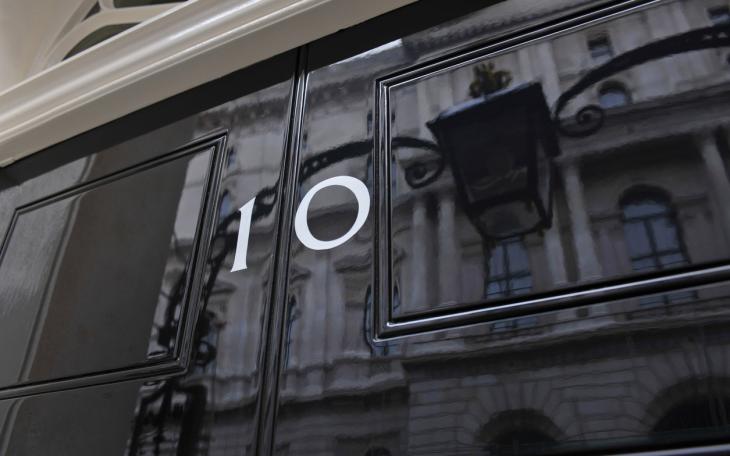

Despite yet more difficult headlines and unwelcome scrutiny at the hands of the Foreign Affairs Select Committee, recent days in Westminster have offered more heat than light and perhaps not the weight of outcry or disappointment that would warrant a change at the top. While the appearance of Morgan McSweeney before the committee led to the headline that he had made in his words “a serious mistake” in recommending the appointment of Lord Mandelson as the UK’s ambassador to the US, it otherwise yielded little that was materially new.
Instead, attention has shifted to a Commons vote on whether Keir Starmer misled the House. He is expected to survive the motion, with the government majority anticipated to hold, helped by those MPs who still have some sense that they owe him their position, or owe the party a loyal and united front. The most likely outcome therefore is continuity: a prime minister weakened in perception but not yet displaced perhaps for longer than some senior Labour voices have been suggesting of late.
At the same time, the optics of leadership matter more than ever. Compared with earlier premierships, today’s political cycle compresses time and amplifies scrutiny. Two years in office can feel like a decade to a new backbench MP who arrived filled with hope and eager to get on, with constant exposure reshaping public perception. Within the Parliamentary Labour Party, there is a notable tension: gratitude for electoral success sits alongside a lingering sense that opportunities have not been fully seized. Yet Labour’s institutional culture - collegial, cautious, and historically resistant to regicide - makes coordinated movement against a sitting leader inherently difficult.
Speculation around potential successors reflects this ambiguity. Figures such as Andy Burnham, Angela Rayner, Wes Streeting, Ed Miliband, and John Healey are frequently cited, but each face practical or political constraints driven by uncertain electoral logistics. For example, it is not guaranteed Burnham would find a seat, let alone win it in this climate, especially with the combined opposition forces that would be unleashed at a by-election. For Rayner, there are reputational considerations around her tax affairs, and Streeting’s association with Mandelson remain problematic.
Timing further complicates matters. With local election results expected to be challenging, few within the party are inclined to precipitate a leadership contest in advance of a potentially negative night and following days for government. Any new leader would need to win a contest in time for the mandated Labour Party conference announcement, and overcome their individual difficulties. Though any contest would first require a direct challenge, an uncertain domestic and foreign policy environment combined with a fragmented parliamentary party, imperfect leadership candidates and a party historically resistant to regicide, an immediate challenge looks unlikely.
What to read next
Browse below for the latest news, insights and thought leadership from our team of experts
The art of the teal
Pay to stay: can England’s mayors follow Manchester’s lead and turn a ‘tourist tax’ into growth?
All change on local government reorganisation

From drought to disruption: Why adaptation matters now

Australia's AI chart crackdown signals a wider shift in trust and disclosure

From Waiting for Godot to winning trust: Communications lessons from IPEM 2026
Farage, Burnham, and the battle for authenticity
What Aristotle can tell us about corporate statements