Millennials drive a buy-to-let resurgence despite a tougher market
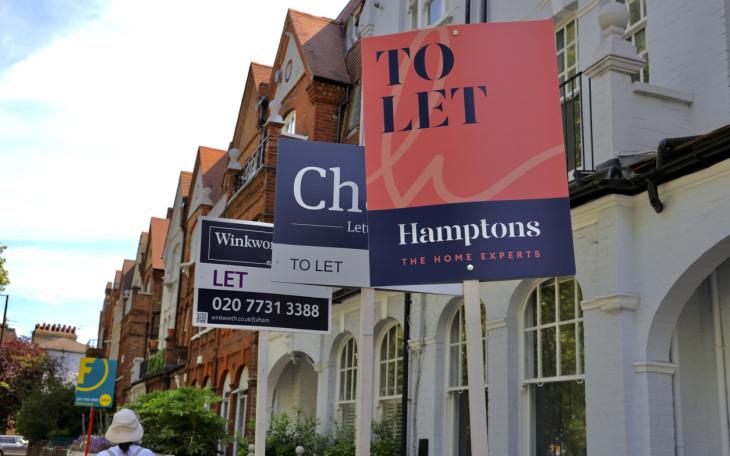

Buy-to-let (BTL) landlords have been an easy target for recent governments. As political parties look to win votes by helping young people onto the property ladder, landlords have been hit with a range of financial penalties including stamp duty surcharges, the withdrawal of mortgage interest relief, and - most recently - a further increase in tax on rental income set to be introduced in April 2027. Higher interest rates and increased regulation have added to both the administrative and financial burden, with research from HMRC suggesting half of landlords in the UK receive less than £10,000 of profit annually.
It’s no surprise then, that BTL investment is shrinking. In 2015, 15.8% of all homes that changed hands in Great Britain were bought by investors; in 2025, it was just 10.8%.
And yet it’s not necessarily game over for the amateur landlord. Surprisingly, recent analysis from Rightmove found that the number of new mortgages taken out to buy rental homes in the year to October 2025 was 13% up on the previous year, with remortgages up 23% - evidence of both new investments and landlords committing to existing portfolios.
Most strikingly, millennials now make up half of all new BTL investors in England and Wales, marking a major generational shift in a sector once dominated by baby boomers and Gen X. Millennials (born 1981 to 1996) account for 50% of shareholders in newly formed BTL companies, up from 40% just five years ago. Even with rising regulation and reduced tax advantages, Hamptons projects that Millennials will incorporate 33,395 new BTL companies this year, more than double the number in 2020.
A generation raised on property dreams
In some ways, this is no surprise: millennials are coming of age and are most likely to have disposable income that they are looking to invest. The question is why they are choosing residential property despite deliberate attempts from the government to make it less attractive.
One factor is that property is one of very few asset classes where individuals can easily borrow money to invest.
But for many Brits, property is emotional as much as financial. Millennials grew up during an era when home‑renovation shows dominated prime time television: Property Ladder, Location, Location, Location and Grand Designs weren’t just entertainment; they were cultural and financial education. Some of these programmes disappeared as property markets softened, but that early exposure arguably embedded property investment into the national psyche for the millennial generation, positioning bricks and mortar as the most relatable, accessible and reliable asset class.
In an investment landscape crowded with complex products, property remains something tactile. Millennials, who began their careers amid the global financial crisis, may see property as a safer, more comprehensible long‑term bet than higher risk financial instruments.
The power of Instagram inspiration
Today’s BTL investment trend is also fuelled by social media. Property renovation content on Instagram and TikTok attracts millions of views, with creators offering everything from before-and-after transformations to step‑by‑step BTL renovation guides. This exposure reframes property investment not only as financially rewarding but as a creative endeavour, where personal style, design and craftsmanship can all be a factor in increasing profits.
This creative appeal aligns with investor behaviour: in 2025, landlords withdrew nearly £1.1 billion via remortgages specifically to fund property improvements, a 54% increase in renovation‑focused borrowing. The popularity of fix‑to‑rent strategies suggests investors are motivated by more than yields; they enjoy the process.
Heart over head or strategic adaptation?
While the emotional pull is real, millennial investors aren’t simply following their hearts. They are reshaping the market in pragmatic ways: investing outside the South where yields are stronger, setting up limited companies, and embracing proptech tools that streamline everything from sourcing properties to managing tenants. As they chase higher returns, investor activity in northern regions now far outpaces southern England, with the North East seeing landlords buy 28.4% of all homes sold in Q3 2025.
BTL investment may not be the licence to print money it once was, but with rising rents and improving BTL mortgage affordability (average two‑year rates for buyers with a 25% deposit have fallen from 5.51% to 4.84% over the past year according to Rightmove), conditions may feel more favourable than headlines suggest.
A new era of buy‑to‑let
The BTL boom of the 1990s may have ended but the market’s surprising ongoing appeal to millennial investors reflects both enduring sentiment and evolving strategy. Property still captures the British imagination, but this generation is blending nostalgia with digital tools, creative flair and financial caution. In a challenging market, they may be rewriting the rules of what it means to be a landlord today.
What to read next
Browse below for the latest news, insights and thought leadership from our team of experts

Protecting trust in an age of AI and impersonation

A recovery measured in discipline, not exuberance: Views from the property sector’s EXPO REAL

An Iron Dome and an Iron Lady: Reflections on the Conservative Party Conference

Going for the Grid: Burnham tries to take back control

Your First Home: a helping hand for buyers or a boost for housebuilders?

Solar and Storage Live: The shift from tick-box consultation to meaningful engagement

Burnham goes big in first conference speech, but real test still lies ahead at the Budget

Why dark social matters more than ever