Starmer ends the eight-year hiatus of top-level UK visits to China
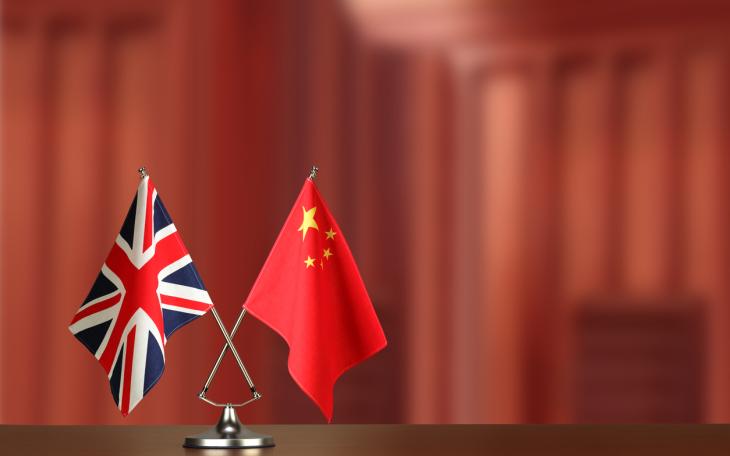

What to make of the Prime Minister’s visit to China? Long-rumoured but announced only after the new Chinese Embassy was agreed, each post-visit readout differed significantly. In a longer statement, Beijing described the relationship as a “long‑term” and “comprehensive strategic partnership”. Downing Street’s more muted readout mirrored that language, as well as referencing “areas of concern” for the UK.
The visit was generally well covered by Chinese media and framed in line with the official readout. Media commentary focused on how China-UK relations would be more pragmatic, driven by business and trade rather than the more politically charged relationship of recent years. Whether this plays out in practice remains to be seen.
For now, two outcomes matter most for UK companies. First, there was the welcome news China will grant British passport holders visa‑free entry for up to 30 days. Second, China agreed to lower tariffs on Scotch whisky from 10% to 5%. While a small concession, it arguably opens the door to tariff changes for other premium UK products.
The headline business announcement was AstraZeneca’s $15 billion investment in “new treatments in China”. However, there was little to show for much of the business delegation, over a third of whom were from culture and tourism sectors. There were no agreements on Chinese tourism into the UK, which once brought billions of spending into the country. In addition, there was a notable absence in the delegation of larger energy majors, as well as universities.
While there was more talk in services, there was not much tangible delivery. The UK listed ten agreements, including a bilateral services partnership and a feasibility study towards a trade‑in‑services agreement. These diplomatic mechanisms were a common feature from the Cameron/Osborne ‘golden era’ of UK-Sino relations and provide new channels for future dialogue.
Compared with Mark Carney’s recent visit, there was no trade deal or big win for Starmer. The one thing both visits had in common was a scathing response from the US President, highlighting the balancing act the UK needs to continue to navigate around China.
Overall, the PM’s result was narrower than Carney’s but still pragmatic: easier travel, one clear tariff cut, and a mechanism for more future talks. While a return to the golden era remains all but impossible, the next UK prime ministerial visit to China is likely to be much sooner than eight years.
What to read next
Browse below for the latest news, insights and thought leadership from our team of experts

The art of the teal
Pay to stay: can England’s mayors follow Manchester’s lead and turn a ‘tourist tax’ into growth?
All change on local government reorganisation

From drought to disruption: Why adaptation matters now

Australia's AI chart crackdown signals a wider shift in trust and disclosure

From Waiting for Godot to winning trust: Communications lessons from IPEM 2026
Farage, Burnham, and the battle for authenticity
What Aristotle can tell us about corporate statements