Sky’s swoop for ITV is a boost for both UK production and streaming
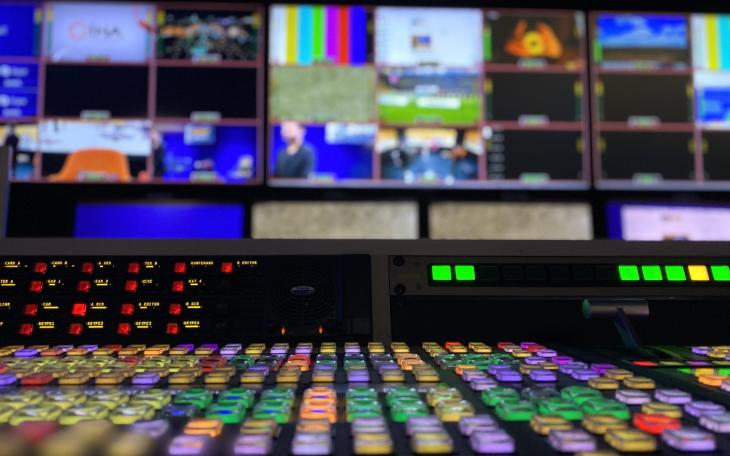

Things were so much simpler when commercial television first flickered into life as an alternative to the BBC back in 1955. In return for pumping money and creativity into programming, the individual companies within the ITV network would reap handsome rewards through advertising revenues.
In their prime, each was a creative powerhouse.
King among them, Granada Television in the northwest of England used the revenues from regional and national TV advertising to fund iconic productions including Coronation Street, World In Action, Stars In Their Eyes and Cracker. While Yorkshire Television gave the world Emmerdale Farm.
But time, trends and technology have eroded the viability of the business model.
Consolidation of the network led to one ITV facing the onslaught of streaming services and dwindling returns from its franchises across the country. This week’s deal, which sees the network selling its broadcasting business to Sky, is notable not just for reasons of nostalgia.
Divorcing programme making from broadcasting and advertising is a shrewd response to the streamers who have come to dominate media consumption in the UK: Netflix, Prime and YouTube. Combining Sky’s existing audience with the 40 million people reached by ITV each week creates the potential for a much stronger UK-based commercial streaming and broadcasting group. According to the deal announcement, the combined business would account for around 20% of UK in-home viewing — ahead of YouTube and second only to the BBC.
Equally important when considering that rich heritage of television production is the increased strength and focus of what remains of ITV, which is now purely a production business: ITV Studios. For which, Sky has sweetened the deal with a commitment to a £2.1bn content agreement over the next five years.
These studios are physical bases across the country, including Manchester, London, and Leeds, with a gravity of their own, helping to sustain independent productions companies, skills, and talent.
In increasingly competitive and volatile times for the media production sector, the certainty of Sky’s money can potentially serve as a platform for growth, stability and creativity, unlocking fresh ideas and talent.
This is not the end of the story by any means.
ITV’s shareholders, who have suffered a steady decline, may be heartened to find that some of the proceeds of the sale are set to come their way.
As a legacy of the arrangements made back in 1955, there remain certain commitments to public service broadcasting in exchange for a Channel 3 licence, which are subject to review by Ofcom in 2034 when there will be further change.
Consolidation is also underway at a macro level.
Comcast, which owns Sky, has also been reshaping its media portfolio, including plans to spin off some cable network assets into a separate company.
There will be questions over plurality of voice in current affairs, with Sky now becoming an indirect shareholder of ITN, producer of News At Ten.
The deal is subject to scrutiny by the Competition and Markets Authority but once rubber stamped, it will embolden two businesses with the potential to transform the fortunes of UK media production, while creating a new powerhouse streaming business.
With more focus and resource, UK streaming and production businesses now have a fighting chance.
What to read next
Browse below for the latest news, insights and thought leadership from our team of experts
It’s about housing, stupid

Budget 2026: What’s in store for developers?

Delegation Nation
Reframing Britain’s Brexit debate

The missing sector in Britain's growth strategy

Pacific Pre-COP31: Testing the waters ahead of Turkey

How communications drives deal outcomes

Vibes win the click. Only substance wins the trust.