Having a mayor: Andy Burnham’s devolution revolution
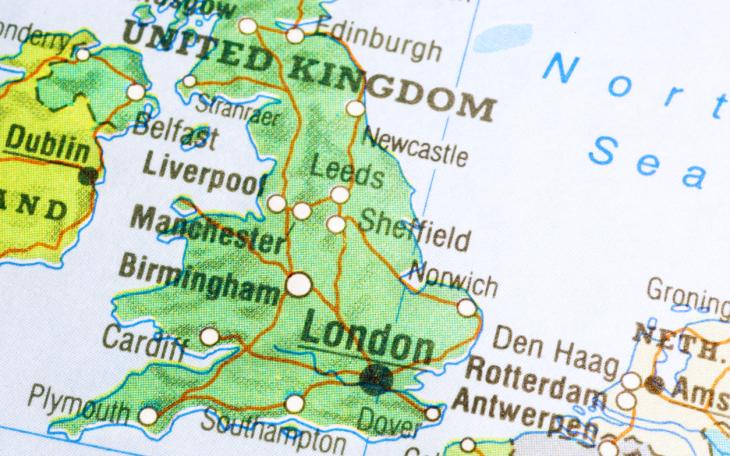

Devolution in the UK can be a bit like a character in a TV series who is talked about a lot but not seen, then disappears for the remainder of the series, before returning and being involved in an important storyline.
Monday’s speech by Prime Minister-in-waiting Andy Burnham has made devolving power away from Whitehall and Westminster the main character in the next series of British politics.
As part of his mission to deliver “good growth in every postcode”, Burnham has tasked the new “No. 10 North” with reforming essential utilities, reindustrialisation and the regeneration of places.
You might listen to this and think we’ve been here before. After all, we have seen the levelling up agenda under Boris Johnson, and the Starmer government’s programme of local government reorganisation – an important element of which was the creation of new mayoral authorities. The headline and mood music from the Burnham camp feels more than just levelling up rebadged, though.
A recent post by the Centre for Cities says that 95% of tax revenue in the UK goes directly to central government, with the remaining 5% going to mayors and local authorities. We hear the refrain that the UK is a centralised country, but to read just how centralised it remains is striking. There might be some ideas to draw from the German economy, which is much more regionally balanced, and power distributed among the 16 Bundesländer.
Cities such as Munich, Stuttgart, Hamburg and Frankfurt are important economic centres in their own right, and this has reduced reliance on the capital city the way the UK has historically relied on London. One shouldn’t take this as me advocating for a federal UK, however.
The thinktank ThinkLabour has also published a paper calling for mayors to take control over public services including social care, childcare and skills; and even to appoint health and education commissioners to oversee local schools and primary healthcare.
Burnham is undoubtedly banking on the fact that, as a very recent mayor himself, he knows best how to use devolved powers and replicate this across the country. He has also realised that another important plank of his premiership – the “biggest council house building programme since the post-war period” – is inherently linked to successful devolution. Mayors are already responsible for strategic planning and can oversee this programme alongside local authorities.
One practical challenge will be reconciling the differing structures that mayors operate in; in combined authorities each of the leaders of the constituent councils have a seat at the table. In London, however, the mayor is accountable to the London Assembly and is separate from each of the London Boroughs.
There is also the continuing issue of local government reorganisation; which is removing the separation of District and County councils into new unitary authorities (which provide all services under one roof). There is little to suggest so far that Burnham is looking at reversing this.
One concern is that devolution tends to best fit urban centres (such as Greater Manchester or the Liverpool City Region), which can offer large-scale opportunities for regeneration, transport infrastructure and housing. How will a Burnham government deliver for the nearly 20% of the UK population that live in rural communities, where the economic challenges look very different? Understanding and delivering jobs and growth for these areas will be key to fulfilling the “good growth in every postcode” promise.
Given this direction of travel, it’s perhaps little wonder that the leader of Devon County Council immediately called for the county to be the first to get a new elected mayor. Cambridgeshire and Peterborough provide an example, with their respective cities in an authority with a rural hinterland.
There’s an awful lot of detail to be worked out, including how devolution will be deepened for Wales, Scotland and Northern Ireland.
For millions of others in England, it seems that we’ll be having a mayor. With all the fanfare around No. 10 North, the real test of a Burnham premiership will be whether devolution to regions and nations will deliver the outcomes people want: good jobs, transport infrastructure and public services that work and stronger local and regional economies.
Get this right, and the prize is devolution’s elevation from being often spoken about but hardly seen, to a fundamental political rebalancing of our country.
What to read next
Browse below for the latest news, insights and thought leadership from our team of experts

Protecting trust in an age of AI and impersonation

A recovery measured in discipline, not exuberance: Views from the property sector’s EXPO REAL
An Iron Dome and an Iron Lady: Reflections on the Conservative Party Conference
Going for the Grid: Burnham tries to take back control

Your First Home: a helping hand for buyers or a boost for housebuilders?

Solar and Storage Live: The shift from tick-box consultation to meaningful engagement
Burnham goes big in first conference speech, but real test still lies ahead at the Budget

Why dark social matters more than ever