Final arrow in the bow: Starmer's defence gamble
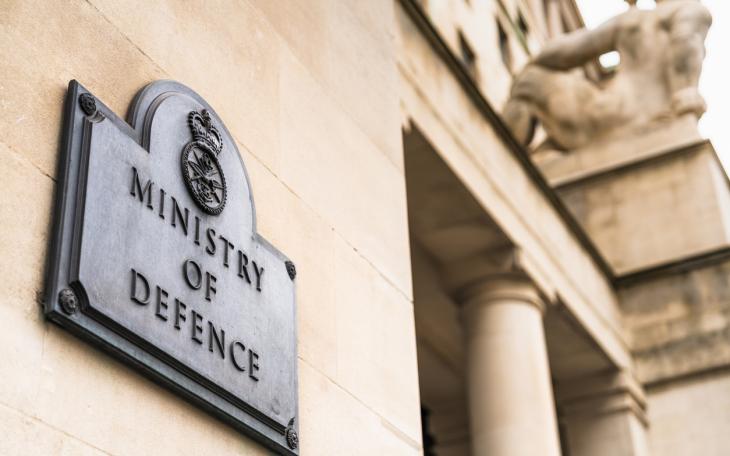

The publication of the Defence Investment Plan arrives as one of the defining acts of Keir Starmer’s premiership. Positioned as both a response to an increasingly volatile security environment and a statement of intent ahead of the NATO summit, the plan is notable not only for what it contains, but how it is funded.
At the plan’s core is a recognition that modern warfare looks very different from the conflicts that have historically shaped Britain's defence posture. More than £5 billion will be invested in drones and autonomous systems, alongside the development of a hybrid Royal Navy, autonomous fighter capabilities, and new electronic warfare systems.
The government’s argument is not simply that Britain needs to spend more on defence, but that it needs to spend differently. Starmer’s warning that defence cannot operate as a "bottomless pit" reflects a broader attempt to move the debate away from headline spending figures and towards capability. In that sense, the plan is as much a reform programme as it is a funding settlement, with ministers seeking to position defence as a driver of industrial growth through measures including a new £50 billion defence export facility.
Yet the politics of the plan remain difficult to ignore. The months preceding today’s publication (initially slated for last autumn) were defined by both Treasury negotiations and the resignations of John Healey and Al Carns. Healey’s central criticism was less about the architecture of the plan than the pace of the UK's trajectory. Having pushed for defence spending to reach 3% of GDP by 2030, Healey argued that Britain was moving too slowly to meet a deteriorating security environment and the expectations increasingly being placed on NATO allies – an argument sharpened by Carns, who warned of the risk of preparing Britain to “fight the last war rather than the next one”.
Their departures reflected a broader concern within defence circles that, while today’s plan secured a larger settlement than the £13.5 billion previously on offer, the funding still falls short of the scale of investment some believe will ultimately be required. Defence spending is now projected to reach around 2.7% of GDP by the end of the decade, with any move towards 3% deferred to the next Parliament.
This debate is unlikely to disappear with Starmer's departure. With speculation swirling of a future administration revisiting ideas such as defence bonds should pressure grow for a faster increase in spending, Starmer sought to shut down that avenue in Berkshire, dismissing defence bonds as “borrowing by another name” and arguing that higher borrowing would ultimately push up interest costs. The incoming Prime Minister, Andy Burnham, therefore inherits more than a defence plan: he inherits an unresolved argument about both the pace and funding of Britain’s rearmament.
Perhaps the most important shift, however, is one of framing. Increasingly, defence is being presented not purely in military terms but through the language of resilience. Defence now sits alongside critical infrastructure, supply chains, technology and economic security as part of a broader conversation about national preparedness. As Starmer prepares to leave office, the strongest argument contained within the Defence Investment Plan may not be about drones or spending targets, but about a government’s attempts to redefine what resilience means in an uncertain age.
What to read next
Browse below for the latest news, insights and thought leadership from our team of experts

It’s about housing, stupid

Budget 2026: What’s in store for developers?
Delegation Nation

Reframing Britain’s Brexit debate

The missing sector in Britain's growth strategy

Pacific Pre-COP31: Testing the waters ahead of Turkey

How communications drives deal outcomes

Vibes win the click. Only substance wins the trust.