U-turn paves the way for further political change and uncertainty
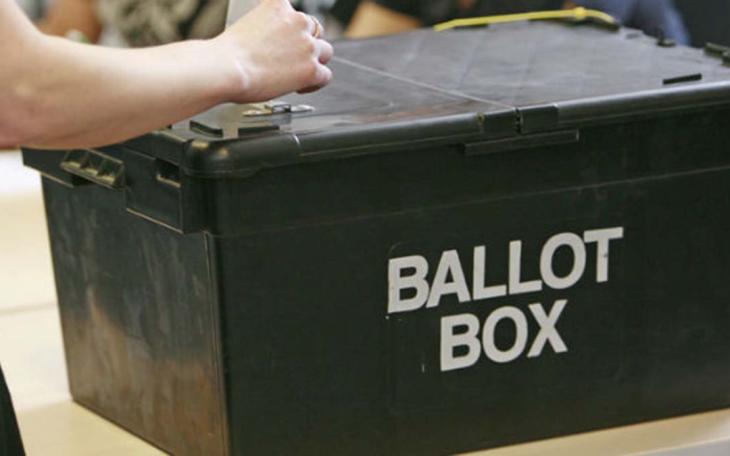

Late in the day legal advice has prompted the government to cancel its plan to cancel elections in Devolution Priority areas.
In the end it was like a car crash in slow motion. County Council elections were postponed ‘for a year’ in 2025 to allow top-tier councils to concentrate on devolution preparation. Those with an eye on the Local Government Reorganisation (LGR) timeline could see the inherent flaw. For months the government maintained that the 2026 elections would be going ahead. But this made no sense.
In 2026, the same argument would hold: councils would be in the middle of LGR preparation, the terms of councillors elected would be short, overtaken by elections to shadow authorities in 2027. Postponing 2026 elections for one year, however, would mean 2027 candidates would be elected for only one year, with many powers phased out in preparation for unitarisation anyway. But if 2027 elections were cancelled, the 2021 cohort of councillors would have been elected for a four-year term but served seven years. That is quite an ask, and not a good look.
A rather dangerous argument was promoted by the government. The elections this year would be an inconvenience for voters, councillors and officers during reorganisation and too expensive. But all elections are expensive and a logistical challenge. Ultimately, it is hard to avoid the conclusion that the governing party wanted to avoid elections as it feared the results wouldn’t be to its liking. The Conservatives are also at threat, but Kemi Badenoch took what appears to be a vindicated position in opposing cancellation. Only a few Conservative council leaders defied this.
When the 2020 local elections were postponed during Covid, legislation went through parliament. This time the government welcoming requests to cancel elections threw up more questions. Why was Hampshire able to go ahead, but not Sussex? Why was Basildon hosting Essex County elections but not able to handle its own borough elections?
Ultimately, Reform UK’s legal challenge did for the policy. The current government line is that there was initial legal advice before the plans were announced, but the legal advice ‘changed’. It withdrew from proceedings, agreeing with the challenge. Oh, and the government owes Reform £100,000 in legal costs.
One would think councillors who argued for an extra year or two free on their terms will find terrain tougher than those who did not. Democracy is cyclical and we must take the rough with the smooth. Certainly, current polling suggests that there is a high chance of political change in the 30 boroughs which thought they had swerved the electorate.
Political churn will also affect the new unitaries. A common client question about LGR is what happens to planning policy upon unitarisation. Very simply, the existing plans remain for each of their geographies until a new council-wide one is in place. The government’s intervention in Buckinghamshire Council reminds us of the challenges of this process. The council has been directed (to the leadership’s chagrin) to commence Regulation 19 consultation by 23 July, and submit the plan by the end of the year.
Upon creation as a new unitary in 2020, Buckinghamshire Council was given a five-year deadline to produce a local plan. A Chiltern and South Bucks combined plan that was half-done was withdrawn in 2020, deemed too politically challenging. The Local Plan is still at the ‘Sites engagement’ stage: feedback following the latest call for sites, the fourth call for sites since 2021.
In principle unitarisation happens seamlessly and new and improved local plans emerge, driving development and achievement of housing targets. But the combination of several political entities means the practice is much messier and more uncertain that that. As the government is quickly finding out. Planning will not be immune to that, so perhaps don’t expect shiny new local plans on a smooth timeline. With LGR decisions due in March (assuming no delay) SEC Newgate will be helping developers navigate this quick-changing political landscape.
What to read next
Browse below for the latest news, insights and thought leadership from our team of experts

Pensions reform in focus

Data Centres - Will we learn from the past?

Profit warnings and the importance of context

Delhi's protest. India's growth story.

It’s about housing, stupid

Budget 2026: What’s in store for developers?
Delegation Nation

Reframing Britain’s Brexit debate