Batteries included: winning hearts and minds for clean energy storage
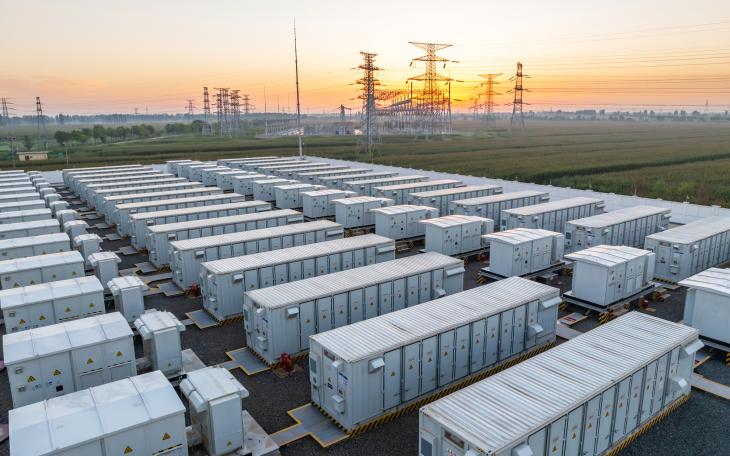

Britain’s transition to a low-carbon electricity system is increasingly becoming defined by how well the system balances power, not just how much it generates. With renewables often providing more than 40% of annual electricity, volatility is now structural, and storage has become essential. Grid‑scale Battery Energy Storage Systems (BESS) steady frequency in milliseconds when demand surges or supply dips, and they will be even more important as new solar capacity arrives from the record renewables auction.
The latest Contracts for Difference round secured 4.9 GW across 157 solar projects at about £65/MWh on 20‑year, inflation‑linked terms, a step up from 2024 and a clear signal of the pipeline moving into delivery. Solar already supplied over 6% of Great Britain’s electricity last year and briefly exceeded 40% during several half‑hour periods in July, which underscores why storage is needed to capture and shift output.
However, a regulatory pinch point remains. There is still no dedicated national legislative framework for BESS development, leaving much of the safety governance to local planning processes. The gap hasn’t gone unnoticed at Westminster either, with a parliamentary review last June examining the absence of nationally consistent standards. It is in this context that the National Fire Chiefs’ Council (NFCC) guidance assumes importance, as it offers a credible national reference for consistent, evidence‑based practice even though it is non‑statutory.
Published this month, the updated NFCC guidance replaces its 2023 iteration and is aimed at Fire and Rescue Services (FRSs) and planners dealing with open‑air, ≥1 MWh lithium‑ion sites. Its purpose is to ensure FRS requirements are proportionate to on‑site hazards and applied consistently across projects. Expanded to more than twenty sections, the guidance sets clearer expectations for organisational roles and planning workflows, and establishes a comprehensive risk‑management approach that supports site‑specific safety and emergency response plans developed with the local FRS.
The technical direction is notably clearer. The guidance increases the initial separation distance to 30 metres from occupied buildings, while allowing 3‑foot spacing between BESS enclosures where units are tested and certified. This brings UK practice closer to the National Fire Protection Association’s FPA 855 global standard for the Installation of Stationary Energy Storage Systems, and reflects wider international learning on enclosure design and thermal events. It places strong emphasis on responder access, adequate water supplies for both offensive and defensive firefighting, prevention of ignition and fire spread—including vegetation management—accurate incident information, and robust, site‑specific emergency planning.
What the guidance ultimately symbolises is a maturing posture: a shift from abstract caution to proportional, risk‑informed management that integrates design, operations, and emergency response, rather than relying on distance alone. Public acceptance will rest on visible, credible safety governance, and on that score, the UK is in a strong position - accelerating solar and storage pipelines, falling strike prices, and now an increasingly coherent national playbook for safer deployment. Crucially, NFCC guidance seeks to narrow the statutory gap decisively and moves the sector toward a safer, more confident expansion of clean energy storage.
What to read next
Browse below for the latest news, insights and thought leadership from our team of experts

Pensions reform in focus

Data Centres - Will we learn from the past?

Profit warnings and the importance of context

Delhi's protest. India's growth story.

It’s about housing, stupid

Budget 2026: What’s in store for developers?

Delegation Nation

Reframing Britain’s Brexit debate