When fashion, power and perception collide
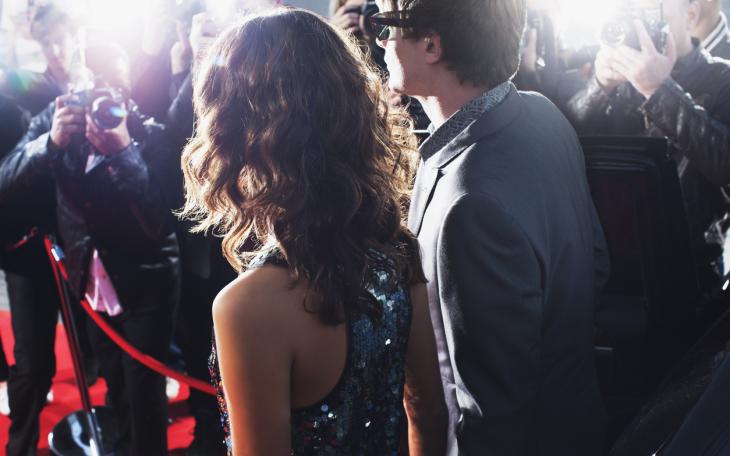

If you love fashion the way I do, chances are you were up at midnight last night (Monday 4th May), phone in hand, scrolling every social feed imaginable to see who wore what at the Met Gala. And frankly, the more extravagant the outfit, the better. The Met isn’t about restraint — it’s about theatre, symbolism and spectacle. This year delivered all three, and then some.
Officially, the Met Gala is an annual charity fundraiser in aid of the Costume Institute at New York’s Metropolitan Museum of Art. Unofficially, it’s the most powerful stage in global fashion and culture. This year, it raised a record‑breaking $42 million, comfortably surpassing last year’s $31 million — a clear indicator of its enduring pull, despite growing controversy and geopolitical uncertainty.
At the centre of it all remains Anna Wintour, the undisputed queen of the Met. Despite Chloe Malle being named her successor at Vogue, Wintour has very much returned to her kingdom, presiding over proceedings from the familiar front steps of the Met as lead chair of the fundraiser. Sunglasses on, authority intact, she remains the ultimate ringmaster of the fashion world.
But this year’s gala — swiftly nicknamed “The Bezos Ball” online — exposed the tension between glamour and optics perhaps more starkly than ever before. With Jeff Bezos and his wife, Lauren Sánchez Bezos named as honorary co‑chairs, the event drew widespread scrutiny. Rumours swirled across social media and the fashion press about Bezos’ broader ambitions, including speculation that he could one day buy Condé Nast — a narrative only amplified by Sánchez Bezos’ prominent Vogue connection and high‑profile appearances.
Notably, high profile celebrities such as Zendaya and Meryl Streep were reported to have skipped the event, fuelling quiet boycott chatter and broader debate about whether the Met is becoming too closely aligned with billionaire power at a time of economic and political unease. Bezos himself avoided the main carpet altogether, opting for a discreet side entrance — a telling communications choice in an environment where symbolism is everything.
And yet, the outrage cycle hasn’t dimmed the fascination. Quite the opposite. The “Fashion is Art” theme produced everything from sculptural breastplates to bubble‑like dresses, reinforcing why the Met Gala continues to dominate culture, feeds, headlines and conversations. Love it or loathe it, the clicks — and the money — keep coming.
The challenge ahead for the Met Gala isn’t relevance; it’s perception. In an era of heightened sensitivity around wealth, influence and power, the event must continue to justify its excess by anchoring itself to purpose. The funds raised speak volumes — but narratives matter. As this year proved, the Met isn’t just a fashion event anymore. It’s a live case study in modern reputation management, where glamour, controversy and communications strategy walk the carpet hand in hand.
To attend the Met Gala, you have to be invited. For those who don't get an invite, tickets cost $100,000 each. So this means I will still be watching in London — probably at midnight — every single year.
What to read next
Browse below for the latest news, insights and thought leadership from our team of experts
It’s about housing, stupid

Budget 2026: What’s in store for developers?

Delegation Nation
Reframing Britain’s Brexit debate

The missing sector in Britain's growth strategy

Pacific Pre-COP31: Testing the waters ahead of Turkey
How communications drives deal outcomes

Vibes win the click. Only substance wins the trust.