‘Big mistake’: Keir’s tin ear on Chagos
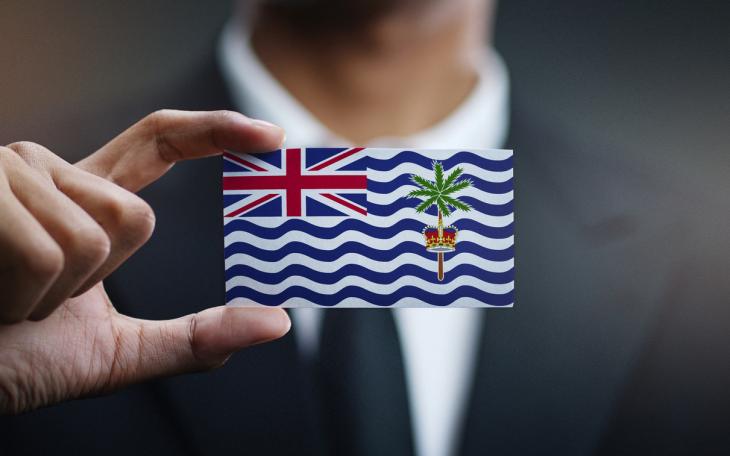

In the past 24 hours, President Trump has, yet again, voiced opposition to the UK government ceding sovereignty of the Chagos Islands. The only real surprise is that this is a surprise to anyone. The decision to hand over the British Overseas Territory follows a 2019 opinion against the UK by the International Court of Justice and a subsequent UN General Assembly resolution, which declared Chagos “an integral part of the territory of Mauritius”.
Sir Keir Starmer’s natural instinct, as in so many areas, is to see this issue primarily from a legalistic rather than a practical standpoint: if the international courts have ruled in favour of Mauritius, then of course the UK - as a key proponent of the rules-based international order - should comply. The problem is that this totally ignores longstanding geopolitical reality – and vests authority in a rules-based international order that is increasingly frayed.
The choice facing Sir Keir is the same as the one facing many corporate and communications leaders at present: do we continue to place faith in old systems, stand up for what we think is right, or accept the rules of the game are more fluid now than they have been in the past 80 years? The answer in each case and for each company will differ, but decisions must always be grounded in a clear-eyed appraisal of reality as it is, not as we would like it to be.
Eighteen years ago, I was part of the team that successfully campaigned to create the world’s largest no-take marine reserve around the Chagos Islands. At the time, the US government favoured this solution, as it would preserve long-term US access to the territory and the continued operation of their (in)famous military base, Diego Garcia.
As much as we might roll our eyes at the US President’s perceived flip-flopping, the US position has remained consistent over decades: it requires secure, long-term access to Diego Garcia and wants this provided by the UK (and not a vulnerable state like Mauritius, which is increasingly susceptible to Chinese influence). The Trump administration will be bemused that the UK is taking an ICJ opinion so seriously, as the US has not accepted the court’s rulings as binding on itself since the mid-1980s.
In this case, Trump’s approach might be brash, but the US position on Chagos has not and will not change - for as long as it needs to reliably project power in the Indian Ocean. The UK government would be wise to recognise this, and act accordingly.
What to read next
Browse below for the latest news, insights and thought leadership from our team of experts
It’s about housing, stupid
Budget 2026: What’s in store for developers?

Delegation Nation
Reframing Britain’s Brexit debate

The missing sector in Britain's growth strategy
Pacific Pre-COP31: Testing the waters ahead of Turkey
How communications drives deal outcomes

Vibes win the click. Only substance wins the trust.