Building trust in the energy transition narrative
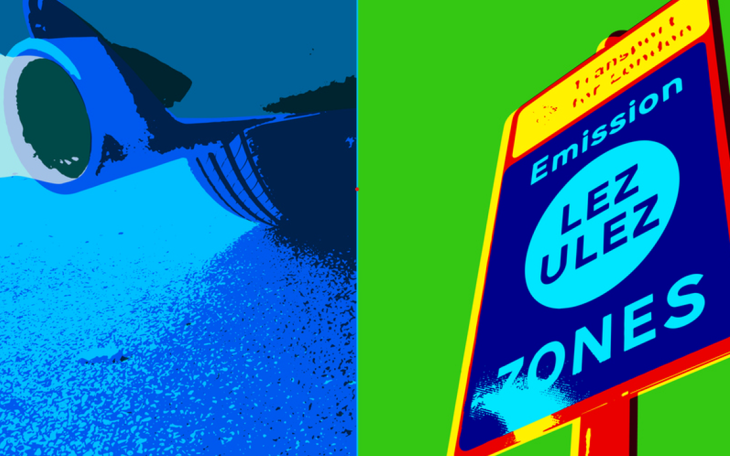

It was around 10.30pm, sometime after the ever-depressing evening news, that the email came shunting into the inbox. ‘Cancelled’, the missive blared, informing me that my 7am journey had been unceremoniously stripped from the next morning’s schedule due to a shortage of staff. Good thing I didn’t down any Horlicks before bed, you clearly have to be a night owl to travel on the UK’s train network these days.
The next alarming message - ‘DELAYED’ - erupted from my phone as I travelled to the station bleary eyed. In what used to be a 50-minute journey, I finally took off from the Midlands to Euston two hours later than previously planned. Luckily, there were no business meetings or plans in the Big Smoke for me, but I can’t say the same for the frustrated families heading down to the capital for the day.
This latest train faff only further supported my decision a few years back to buy an old, Ultra Low Emission Zone (ULEZ) compliant banger and use it for two key events: the weekly shop and trips up North. The extra 45 minutes’ travel time was worth it. At least I knew I was going to arrive at my destination and not be beholden to the uncertainties of the West Coast Main Line.
If you’ve got a driving licence, such a decision is wholly rational and it’s no surprise that the second-hand car market has boomed over recent years (link) – many other consumers have the same internal-combustion-engine thinking. But this behaviour, incentivised by poor and unreliable services, isn’t great for the planet and neither are the lacklustre communication efforts associated with it.
Urged to get on the rails where I could and avoid dirty car journeys, I was brought up in a pro-train household. Likewise, I would describe myself as being broadly pro-green: waste, litter and pollution are all big nasties, and we should clean up our streets and waterways where we can.
At a more grandiose level, the energy transition seems instinctively logical – fossil fuels have a natural shelf-life and moving towards renewables will create a more sustainable economy in the medium and long term.
But the recent political discourse and messaging around energy and travel policy is creating the same muddled and friction-filled thinking that literally drives frustrated consumers away. At least a couple of examples come to mind.
On one hand, the UK government tells us that we should switch to an electric vehicle, and The Treasury is happy to provide a healthy grant (link) for such a purchase. But, at the same time, and thanks to the Chancellor’s last budget, we’re told that a mileage-based road tax will apply to electric and plug-in hybrid cars from 2028.
Equally, in London, City Hall has decided to turn most roads into 20-mile-per-hour areas, whilst closing access to a myriad of streets to create low-traffic-neighbourhoods. Great stuff, but the policy hasn’t stopped there - the ULEZ regime has been expanded to the suburbs and now the Mayor of London is reportedly mooting a tax on SUVs (link).
Such a move would align the UK capital with Paris on taxing vehicles on their weight (link). You have to wonder: are such measures really about making London a cleaner and safer place or raising revenues?
If you want to keep voters onside, there needs to be a dose of honesty and a communication strategy that treats people as grown-ups.
The other consumer-facing cause célèbre of the energy transition are heat pumps. Again, we’re told to get rid of our boilers, apply for a government grant and install this climate friendly-tech, which is like a reverse air conditioner.
It all sounds very straightforward until you read some first-hand accounts of what the process involves. Here’s what Karl Mathiesen, senior climate correspondent at Politico, had to say about the experience (link):
“Even now, with the heat pump at my house, I can’t say for sure that I’ve made a good decision. Did I find a good installer? Will my system actually save me money? It will take months of use to answer those questions. This will put off many risk-averse or financially precarious buyers.”
And that’s coming from someone you might expect to be a first adopter.
If the friction and insincerity continue, the energy transition in the UK will stall and it might take another 10 years for green-tech’s reputation to rebound. Trust is the name of the game and that means that communicators need to be open about the potential hurdles and - excuse the pun - roadblocks consumers face. Sweeping them under the carpet will only foster resentment.
What to read next
Browse below for the latest news, insights and thought leadership from our team of experts
The art of the teal
Pay to stay: can England’s mayors follow Manchester’s lead and turn a ‘tourist tax’ into growth?
All change on local government reorganisation

From drought to disruption: Why adaptation matters now

Australia's AI chart crackdown signals a wider shift in trust and disclosure

From Waiting for Godot to winning trust: Communications lessons from IPEM 2026
Farage, Burnham, and the battle for authenticity
What Aristotle can tell us about corporate statements