Burnham’s cost-of-living premiership meets the clean power agenda
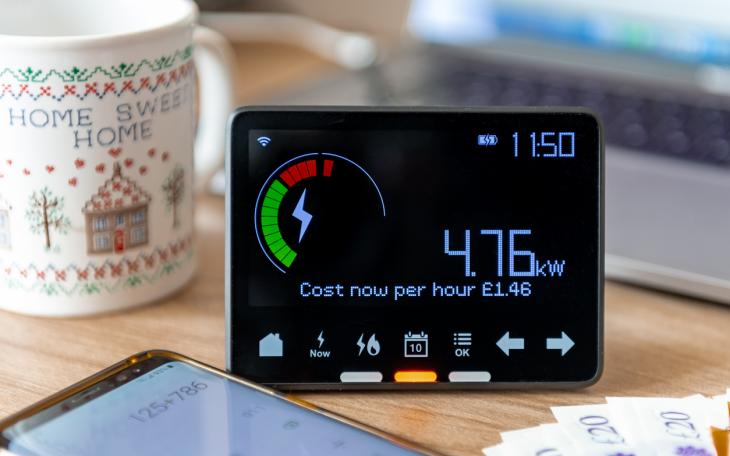

In his first two weeks as Prime Minister, Andy Burnham has moved quickly to establish both a political identity and a governing priority. His message to Cabinet that his government must be a “cost-of-living government” has already been followed by a series of highly visible interventions, including the removal of VAT on electricity bills, a return to £2 bus fares across England and a reduction in business rates for hospitality and entertainment venues.
Collectively, these measures are intended to demonstrate that Burnham understands the pressures facing households and businesses. Politically, they also provide an early indication of how his government may approach one of Labour’s most challenging policy areas: energy.
The appointment of Miatta Fahnbulleh as Energy Secretary, alongside Ed Miliband’s move to the Foreign Office, has prompted questions about whether the government’s clean power agenda is entering a new phase. During his time as Energy Secretary, Miliband successfully embedded energy security and Clean Power 2030 at the heart of government policy. His departure does not signal a retreat from those objectives, but Burnham’s first fortnight suggests a greater emphasis on the affordability of the transition and the immediate benefits it can deliver.
The decision to remove VAT from electricity bills is emblematic of this approach. The measure is expected to reduce average bills by around £45 a year from October and provides tangible evidence of the Prime Minister’s determination to link energy policy with household finances. While relatively modest in isolation, it reflects a wider political reality that voters are more likely to judge the success of the energy transition through their bills than through generation capacity statistics or carbon reduction targets.
That instinct is consistent with Burnham’s political record. Throughout his time as Mayor of Greater Manchester, he frequently framed issues through the lens of living standards and local economic outcomes. As Prime Minister, he appears keen to apply the same philosophy nationally.
This does not mean decarbonisation has slipped down the agenda. If anything, recent global energy shocks continue to strengthen the strategic case for clean power. The challenge for Fahnbulleh and her department will be translating long-term energy security arguments into benefits that voters can see and feel. Burnham’s early interventions suggest he understands that political support for the transition will depend on demonstrating how meeting decarbonisation targets improve everyday life.
Two weeks is far too early to define a premiership. However, Burnham’s opening moves suggest a leader focused relentlessly on proving that government can make a difference to household finances. For advocates of the clean power agenda, the opportunity is clear: if energy policy can be connected more directly to living standards, Burnham may ultimately provide Labour’s transition strategy with its strongest political foundation yet.
What to read next
Browse below for the latest news, insights and thought leadership from our team of experts

The art of the teal

Pay to stay: can England’s mayors follow Manchester’s lead and turn a ‘tourist tax’ into growth?

All change on local government reorganisation

From drought to disruption: Why adaptation matters now

Australia's AI chart crackdown signals a wider shift in trust and disclosure

From Waiting for Godot to winning trust: Communications lessons from IPEM 2026

Farage, Burnham, and the battle for authenticity

What Aristotle can tell us about corporate statements