Conference season meets energy reality
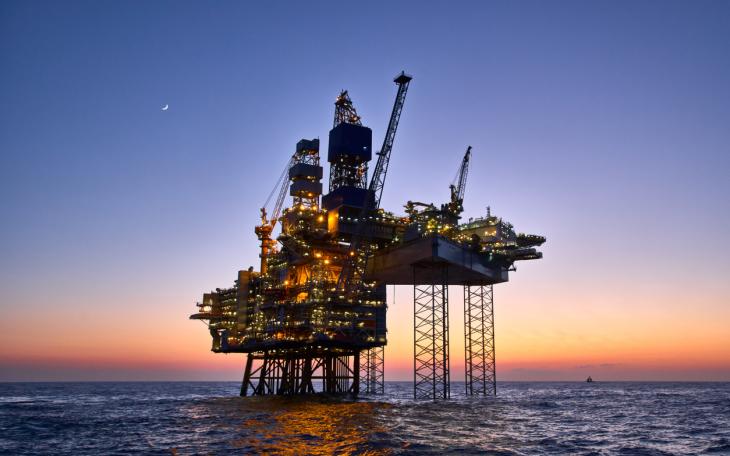

As the Labour Party gathers in Liverpool for its first party conference under Prime Minister Andy Burnham, much of the conversation is likely to focus on devolution, the cost of living and economic renewal. Yet wider discussions about the Burnham government’s approach to the future of the North Sea and what it means for Labour's energy strategy are also expected to feature heavily.
In many ways, this conference marks the first major test of Burnham's approach to energy policy. Since entering Downing Street, he has sought to reposition Labour as a "cost-of-living government", prioritising measures designed to provide immediate support to households, including removing VAT from electricity bills and cutting costs for businesses. That message is likely to run through much of the conference. However, hanging over proceedings is speculation a decision on approving the controversial Jackdaw gasfield in the North Sea is to be delayed until after the Holborn and St Pancras byelection on Thursday 8 October.
The timing matters because Labour enters conference facing pressure from multiple directions. The government remains committed to clean power, energy independence and decarbonisation, but it is also operating in a political environment increasingly focused on energy security, economic growth and affordability. The question confronting ministers is whether approving new North Sea developments is compatible with that agenda or represents a significant shift away from it.
Supporters of Rosebank, the oilfield project which is a separate decision, and Jackdaw argue that domestic production remains important for jobs, investment and energy resilience. They point to continued geopolitical instability and concerns over imported fuels as evidence that the UK cannot afford to turn its back on existing resources. Critics, meanwhile, argue that approving new projects risks undermining Labour's broader clean energy narrative and providing ammunition to opponents who claim the government lacks a coherent long-term strategy.
For Burnham, conference provides an opportunity to define his own political approach to energy after inheriting much of the policy framework developed under his predecessor. While Clean Power 2030 and energy independence remain central government objectives, his rhetoric has notably shifted towards affordability and living standards. Rather than discussing decarbonisation as an end in itself, Burnham has consistently framed energy policy through the lens of household finances and economic security.
That repositioning is likely to be on display throughout conference. Expect ministers to emphasise lower bills, domestic investment, grid upgrades and energy resilience. The government's case will be that clean power is not simply an environmental objective but an economic one, reducing Britain's exposure to the volatility that has repeatedly driven spikes in energy costs over the past decade.
For a Prime Minister keen to be defined by living standards and economic security, the debate over Rosebank and Jackdaw is rapidly becoming the first major energy dilemma of his premiership. And as delegates gather this weekend, it is likely to be the conversation that shapes Labour's energy agenda long after conference has finished.
What to read next
Browse below for the latest news, insights and thought leadership from our team of experts

Ed Sheeran’s case study on the death of strategic neutrality

Merz's election setback and what it means for Germany
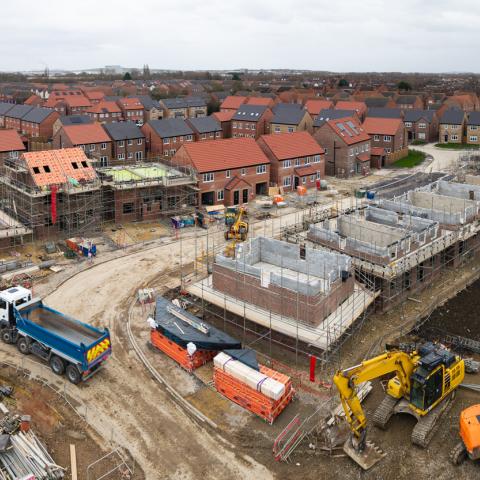
From manifestos to bricks and mortar: how do we get more homes built?
From coalition to collapse ... and back again?
Framing the narrative in favour of Jackdaw

From Manchester to Manhattan: Andy Burnham's Trump test
The art of the teal
Pay to stay: can England’s mayors follow Manchester’s lead and turn a ‘tourist tax’ into growth?