From drought to disruption: Why adaptation matters now
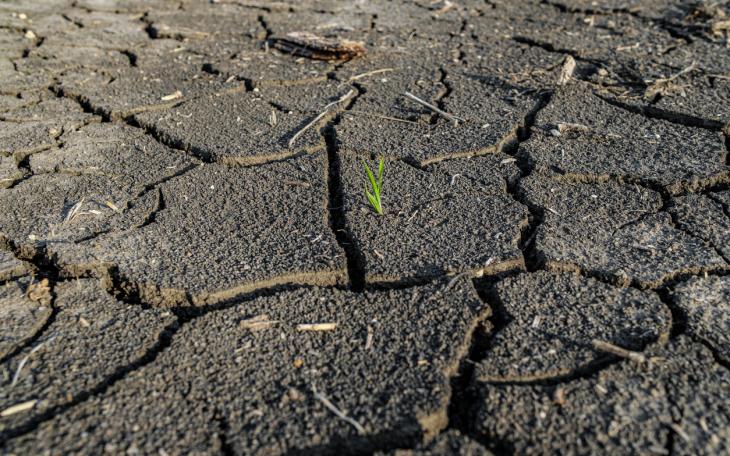

While the rains have finally come, the almost tropical humidity is a live reminder that our weather is still anything but ‘normal’. Despite green shoots of grass finally appearing, the UK has been transformed by months of relentless heat, with 71% of England in drought at the end of August. There are also warnings that severely disrupted weather patterns could persist into next spring, putting emphasis on how rapidly our environment is changing and the need to embrace adaptation as quickly as mitigation.
And there is a growing concern that this may not be the worst of it. The prospect of a “Godzilla” El Niño has raised the stakes, with UN Secretary General António Guterres warning that “El Niño is being supersized before our eyes” and that the planet is entering “uncharted waters”. The WMO expects this could be the strongest El Niño – the heating of the central and eastern equatorial Pacific Ocean - in seven decades, bringing with it one of the “biggest global weather upheavals”, involving further drought, flooding and disruption to agricultural production.
Meanwhile, Environment Secretary Dame Angela Eagle has urged people to become more resilient and consider stockpiling food and water in case weather disruption affects essential supplies. When government ministers are talking about household preparedness, climate risk is no longer a distant problem - it’s here and it is here now.
For the UK, this matters because we are already less resilient than we used to be. Domestic self-sufficiency has fallen across 10 of 11 major commodities since 1995, just as drought is putting pressure on UK harvests and El Niño threatens production overseas. We are facing exposure from both sides; less capacity to produce food at home, just as global supplies become more vulnerable to extreme weather. This could mean higher prices, tighter imports and supply bottlenecks – turning a failed harvest into an economic and national security problem.
Adding to the growing list of pressures, new research* suggests that the Atlantic Meridional Overturning Circulation (AMOC) - a vast system of ocean currents that helps regulate weather patterns by carrying warm water into the North Atlantic – is now showing signs of weakening. This matters because disruption to the AMOC could alter rainfall and temperature patterns across some of the world's most important agricultural regions. One new study estimates that a 60% decline in AMOC strength could reduce global cereal yields by an average of 5.3%, while pushing global food prices up by as much as 40%.
This is where adaptation becomes more complicated and more urgent. It is not enough to prepare agriculture and populations for hotter and drier summers if the underlying climate itself also becomes less predictable. The risk is maladaptation, where we ultimately invest in adapting to one version of the future, only to find that the future looks very different.
So where does that leave us? The recently concluded UNCCD COP17 showed that international recognition has not yet translated into stronger global action, with countries failing to agree a global drought framework and an estimated $278 billion financing gap yet to be filled.
But elsewhere we are seeing a move towards acting before climate shocks become crises. The UK government yesterday announced up to £15 million to help countries prepare for El Niño through earlier warnings, pre-arranged finance and practical support for farmers and vulnerable communities, alongside further investment in flood defences and drought support at home.
This is important because adaptation is not simply about responding better after something goes wrong, but also about anticipating what is coming and investing before the damage is done. Beyond managing risk, there is a strong business case for adaptation, as demand is expected to grow for new technologies and infrastructure and more resilient business models. Organisations that act early may be better positioned to navigate uncertainty and maintain a competitive edge as climate risks become more visible.
We cannot predict every shock, but we can make the systems around us better able to absorb them. The task now is to close that gap between knowing what is coming and being ready for it - and doing so before the next extreme event once again forces us to play catch-up.
What to read next
Browse below for the latest news, insights and thought leadership from our team of experts

Australia's AI chart crackdown signals a wider shift in trust and disclosure
From Waiting for Godot to winning trust: Communications lessons from IPEM 2026
Farage, Burnham, and the battle for authenticity
What Aristotle can tell us about corporate statements

The changing boundaries of privacy
The politics of presence: Why institutions need to be seen to be trusted

The CEO transition tightrope: How to signal change without undermining trust
Built to last? JLR redundancies challenge the government’s industrial ambitions