LSE 24: What round-the-clock trading means for listed companies and their advisers
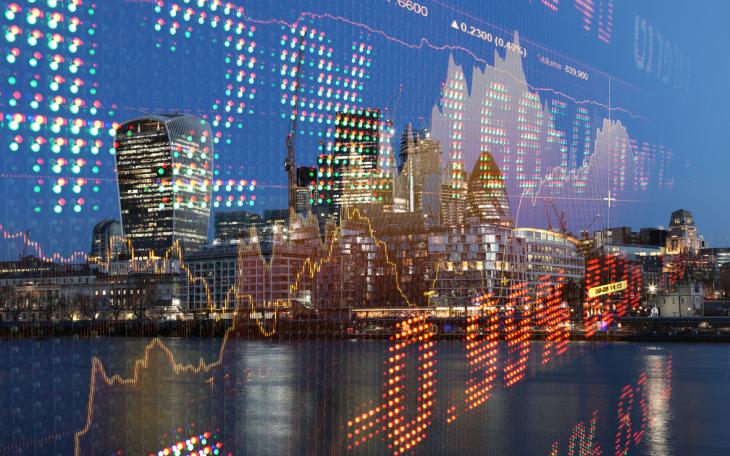

The announcement from the London Stock Exchange (LSE) that it will launch round-the-clock trading is the latest sign of an institution trying to adapt to a rapidly changing investment landscape.
Launching in 2027, the new venue will operate separately from the LSE's main market, providing extended trading from 5pm to 7:50am and initially offering exchange-traded products, such as funds tracking the UK and US stock markets.
The move is designed to give investors greater flexibility and reflects growing demand from retail investors who have become accustomed to the always-on nature of crypto platforms and mobile trading apps.
It is also the latest attempt to address a challenging period for UK capital markets. London has experienced a prolonged IPO drought, a steady stream of companies moving listings overseas and persistent concerns that UK equities trade at a substantial discount to international peers. A report from Franklin Templeton earlier this year found that the UK is currently trading at around “a 30% discount to global peers”.
At the same time, the LSE has faced increasing competition from crypto platforms, which have attracted younger investors with 24/7 trading access. Traditional rivals, including the New York Stock Exchange and Cboe, are also pursuing extended trading hours as they compete for global capital and investor attention.
Many of these themes were highlighted in SEC Newgate's 2025 Broker Perception Study. The findings suggested that the challenges facing London are as much about perception as they are about market structure. Brokers identified better promotion of UK equity investment and stronger communication of the UK's investment landscape as some of the most important actions for improving fund inflows.
In capital markets, perception matters. If boards and investors believe better valuations, liquidity and growth opportunities exist elsewhere, those views can quickly become self-fulfilling.
Historically, a London listing was regarded as a badge of quality, reserved for companies that had reached a certain scale, maturity and level of market credibility. Increasingly, however, the LSE is positioning itself as a broader capital markets ecosystem, supporting businesses at multiple stages of their lifecycle. Alongside LSE 24, the development of PISCES is part of a broader effort to refresh London's investment proposition, attract new pools of capital, and reinforce the city's competitiveness as a global financial centre. These reforms reflect a recognition that companies now access capital differently and that investors increasingly expect greater flexibility, accessibility and choice.
For communications advisers working with listed companies, these developments have two important implications.
First, they reinforce the need to understand how the investor audience itself is changing. The LSE's recent initiatives are designed to attract a broader range of investors – including younger retail traders - with different investment strategies. This means corporate messaging can no longer be developed solely with traditional institutional shareholders in mind. Companies will increasingly need communications strategies that resonate across multiple investor groups, each with different expectations, investment horizons and information requirements.
The investment case that resonates with a long-only institutional fund manager may differ significantly from that which appeals to a retail trader looking to access thematic trends through ETFs.
The second challenge is operational. With markets moving towards extended and potentially round-the-clock trading, the communications environment will inevitably follow. Today, investor relations and corporate communications functions are largely aligned to market hours. In a 24-hour trading world, significant company announcements, geopolitical events, economic data releases or social media narratives could influence shareholder sentiment and trading activity at any time of day; the gap between an event occurring and investors reacting to it is likely to become even shorter.
Market reactions may also become more sequential and geographically dispersed. Rather than seeing a concentrated response at the market open, companies could experience multiple waves of investor reaction as news is absorbed across Europe, North America and Asia. Communications teams will therefore need to think not only about the initial announcement, but also how narratives evolve as different investor groups interpret and respond to information throughout the trading cycle.
We have a window to prepare for these changes, and what is encouraging is that the LSE continues to look for ways to modernise its offering and respond to evolving investor behaviour and ensure London remains attractive in an increasingly competitive trading environment.
What to read next
Browse below for the latest news, insights and thought leadership from our team of experts

The art of the teal

Pay to stay: can England’s mayors follow Manchester’s lead and turn a ‘tourist tax’ into growth?

All change on local government reorganisation

From drought to disruption: Why adaptation matters now

Australia's AI chart crackdown signals a wider shift in trust and disclosure

From Waiting for Godot to winning trust: Communications lessons from IPEM 2026

Farage, Burnham, and the battle for authenticity

What Aristotle can tell us about corporate statements