Pride, corporate logos, and what meaningful allyship actually looks like
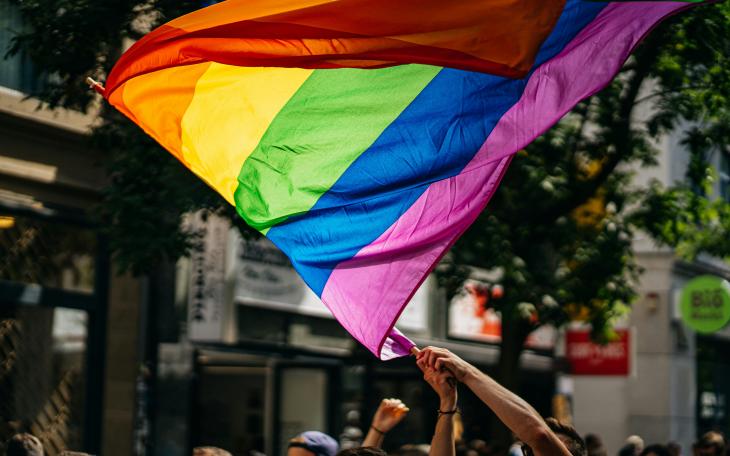

Every June, corporate environments undergo a visible transformation as seasonal Pride branding appears across digital platforms and office lobbies. This annual ritual has become a predictable fixture of the business calendar, but it is increasingly viewed as a narrow expression of a much broader cultural commitment. The shift is not a rejection of these visual markers, but a change in how they are interpreted, as both employees and the public look beyond aesthetics to assess the substance of institutional change. That this reflection comes during Pride month is not incidental - the value lies in using this moment of heightened visibility to examine what happens beyond it.
This scepticism is often captured by terms such as “rainbow-washing” or “pinkwashing”, labels which converge on the same critique: where visibility may be high, but evidence of real change is harder to find. Commercially, this can function as a marketing tactic, aligning a brand with progressive values to appeal to specific audiences. When unsupported by internal practices, however, it risks becoming performative, commodifying the symbols of Pride while diluting the significance of the history they represent.
This distinction is increasingly apparent in what some describe as a “strategic retreat” among major global firms. Last year’s commentary suggests a decline in public-facing Pride support, often in response to shifting political pressures or fear of backlash. When organisations that once positioned themselves as advocates step back at the first sign of resistance, it raises a more fundamental question: is their allyship conditional?
Addressing this tension requires shifting focus away from the high-frequency messaging of June and towards the quieter, more consistent ways an organisation operates throughout the year. In practice, this means moving beyond the mere existence of policies and ensuring they are understood and consistently applied by those in decision-making roles. Culture is rarely defined by statements alone, but is rather built through repeated behaviours.
The employee experience, then, becomes the test of these values. While many organisations highlight inclusive benefits such as equal parental leave, their impact depends on accessibility and confidence of use. If a policy exists but feels risky to rely on, it fails to translate into lived reality. Employees often look to more cumulative signals, such as the consistent use of inclusive language or sustained investment in employee networks, as stronger metrics of a genuine sense of belonging.
Ultimately, while visible expressions of support still matter, they cannot stand alone as a proxy for progress. The organisations that will resonate most are not those that speak the loudest during June, but those that demonstrate a steady, durable commitment to equity regardless of external pressure. Pride remains a valuable fixture in the calendar for reflection and visibility, but its credibility depends on its connection to the permanent structures that support it.
What to read next
Browse below for the latest news, insights and thought leadership from our team of experts

Pensions reform in focus

Data Centres - Will we learn from the past?

Profit warnings and the importance of context
Delhi's protest. India's growth story.

It’s about housing, stupid

Budget 2026: What’s in store for developers?

Delegation Nation

Reframing Britain’s Brexit debate