Reflections from Solar and Storage London
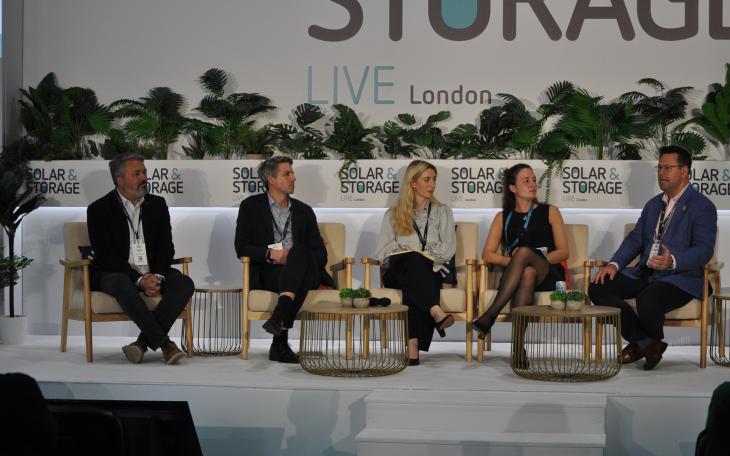

Solar and Storage Live London last week provided another useful moment to reflect on where the solar sector currently sits. While planning policy for solar remains strong, conversations across the event highlighted that securing consent is only one part of an increasingly complex picture.
I joined a panel discussion on Wednesday focused on planning reform and how developers are navigating the wider challenges shaping project delivery. Alongside Rachel Hayes (Solar Energy UK), Gareth Phillips (Pinsent Masons), Rich Jones (Quod), and Dave Elvin (Island Green Power) we explored how planning reform is being interpreted on the ground, and how planning fits alongside issues such as grid capacity, connection timescales, business rates, long lead times and supply chain pressures. While planning may be in a better place, and consultation reforms look promising, uncertainty elsewhere is continuing to shape decision‑making and investment.
Coming shortly after the NIPA AGM earlier in the week, it was particularly interesting to see how conversations around consultation carried through into wider industry debate. There was clear recognition that consultation approaches are changing for the better, but less agreement on how far they should go. Striking the right balance between proportionate engagement and maintaining trust and confidence in the planning process remains a live issue, particularly in communities experiencing increasing levels of development.
A strong theme across both days was the shift in focus from consent to delivery. Panels on post‑consent challenges highlighted how complex it can be to turn permissions into operational projects, and the importance of sustained engagement and risk management long after decisions are issued.
Technology, and particularly AI, also made a marked appearance compared to other years. Discussion about how tools might streamline planning and engagement processes were balanced with an acknowledgment increasing AI usage is changing the way people respond to consultations. Strategies must therefore keep in line and reflect how to cut through the noise. Technology was widely seen as something that should support, rather than replace, meaningful one-to-one engagement.
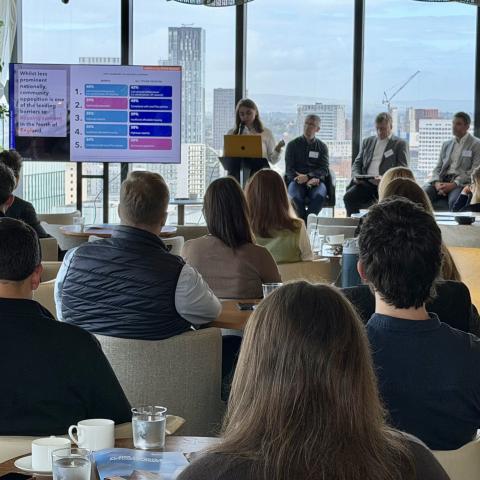
One of the highlights of the programme was my colleague Emily Sharp’s solo presentation on the future of consultation for NSIPs. Emily explored how engagement programmes may evolve, with a focus on outcomes‑led consultation, clearer feedback loops and a move away from activity for activity’s sake. If you’d like to discuss this with a team member, please get in touch for more details.
Despite the challenges raised, the tone at Solar and Storage Live was open and constructive. It felt like a sector that has had time to absorb the scale of recent change and is now focused on working through what comes next.
What to read next
Browse below for the latest news, insights and thought leadership from our team of experts

Abundant energy at Climate Week NYC

Conference season meets energy reality

Ed Sheeran’s case study on the death of strategic neutrality

Merz's election setback and what it means for Germany
From manifestos to bricks and mortar: how do we get more homes built?

From coalition to collapse ... and back again?

Framing the narrative in favour of Jackdaw

From Manchester to Manhattan: Andy Burnham's Trump test