Short-term gains vs. long-term climate costs
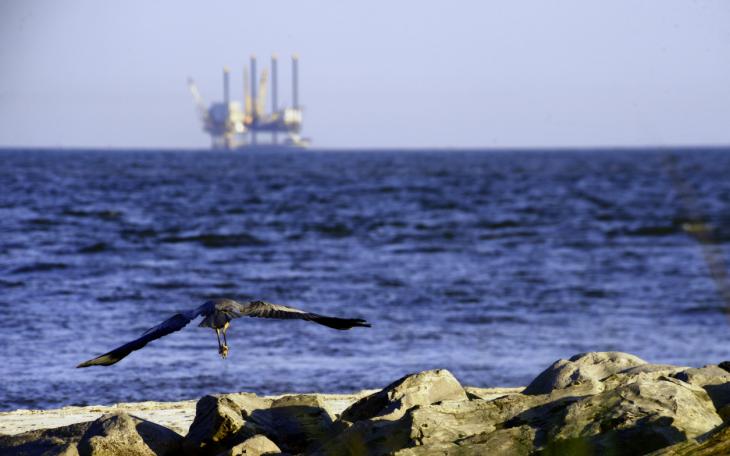

The UK’s Energy Secretary, Miatta Fahnbulleh, is likely to give the go-ahead for the Jackdaw gas field this autumn. A move that last weekend was given the endorsement of Sir Ed Davey, the leader of the Liberal Democrats, at the party conference in Brighton, saying extracting gas from Jackdaw “makes sense”. This is despite concerns from climate scientists over the carbon emissions associated with its development and use.
Setting the immediate context for the decision, UK wholesale gas prices have reached levels last seen in 2022, gas storage levels are lower than normal, and rising domestic energy prices are adding to the cost-of-living crisis, the tackling of which has been made a priority by the new Burnham administration.
Also in the Energy Secretary’s in-tray is approval for the Rosebank oil field. But can approval to commence production at these fields be justified?
The development of both fields was originally granted permission by the previous Conservative government, but this was quashed by the Scottish Court of Session following the UK Supreme Court's ruling that emissions from burning the fossil fuels extracted must be taken into account.
Although gas and oil prices are set by international markets, making them expensive when global supplies are disrupted, there is some justification for approving Jackdaw. The field, which lies just 150 miles off the Firth of Forth, is ready to go, and the UK remains highly dependent on natural gas for energy, particularly domestic heating. Sourcing gas domestically would reduce supply risk. There is also the argument that domestic production would generate fewer emissions than importing liquefied natural gas (LNG), which is more carbon intensive and has been linked to producers with poor records on controlling methane emissions, a greenhouse gas far more powerful than carbon dioxide.
Politically speaking, giving Jackdaw the nod on the basis of boosting jobs and strengthening national energy security for a fuel source that still heats most UK homes is highly appealing.
However, there is less justification for Rosebank. Much of its oil would be exported rather than used domestically, and it is a larger field than Jackdaw in terms of oil-equivalent production, meaning it will generate significantly higher emissions.
Just as important is ensuring that the UK is not distracted from increasing investment in the electrification of the economy, particularly through upgrading the grid and expanding energy storage capacity to harness increasingly cheap solar and wind power. This would enhance energy security while reducing dependence on fossil fuels and their price volatility.
Currently, electricity prices are linked to the most expensive source of generation, which is often natural gas, making UK electricity prices among the highest in the developed world. This has hindered electrification, particularly the adoption of heat pumps for domestic heating.
Overshadowing all of this is the need to stop pumping ever more carbon dioxide into the atmosphere, with concentrations now fluctuating around 430 ppm. Similar levels were last seen around three million years ago, when global average temperatures were estimated to be between 2.5°C and 4°C higher than pre-industrial levels, and sea levels were between 5 and 25 metres higher.
Jackdaw may represent a short-term gain for UK energy security. However, given the dramatic progress in renewable energy generating efficiency, cost reduction and storage technology, this and upgrading the grid to exploit these benefits must be the policy focus if the UK is to achieve long-term energy security without incurring excessive economic and climate-related costs.
https://www.ft.com/content/27f62928-927e-4ac3-94e1-4f25310b6ae4?syn-25a6b1a6=1
https://eciu.net/media/press-releases/gas-prices-rise-to-levels-not-seen-since-2022-comment
https://www.telegraph.co.uk/business/2026/09/09/uk-gas-prices-hit-four-year-high-as-oil-tops-100/
What to read next
Browse below for the latest news, insights and thought leadership from our team of experts

From Manchester to Manhattan: Andy Burnham's Trump test
The art of the teal
Pay to stay: can England’s mayors follow Manchester’s lead and turn a ‘tourist tax’ into growth?
All change on local government reorganisation
From drought to disruption: Why adaptation matters now

Australia's AI chart crackdown signals a wider shift in trust and disclosure

From Waiting for Godot to winning trust: Communications lessons from IPEM 2026
Farage, Burnham, and the battle for authenticity