The uncomfortable usefulness of Big Oil’s playbook
It is tempting, in corporate life, to treat geopolitics like the office fire alarm: important in theory, inconvenient in practice, and best left to someone else to sort. However, a recent McKinsey survey has neatly captured the recent change of mood. “Geopolitical instability or conflict” is now cited as the leading global economic risk, with energy prices and supply-chain disruption back in view. The point is not that the world is messy; it is that messy has become operational.
Serious institutions have for some time now been telling business that the old operating assumptions have expired. The World Economic Forum (WEF) has been blunt about what replaces them: firms must integrate geopolitical intelligence into core decision-making, not leave it as a quarterly slide by a risk team that is politely admired by the board. Hence the argument for a new kind of senior mandate, what the WEF calls a “Chief Geopolitical Officer”, reflecting the reality that traditional combinations of government affairs, compliance and enterprise risk are being outpaced by regulatory divergence, AI, hybrid and financial warfare, and highly sensitive and scrutinised supply chains.
This shift is visible in the choreography of modern leadership communications. In virtually every major investor or media moment SEC Newgate has organised recently, the first thing we reality‑check is no longer the EBITDA bridge. It is whether there is a credible hot take on any number of geopolitical situations swirling around the business. Never before has this been so routinely central. And it is not because journalists have suddenly acquired a taste for grand strategy; it is because geopolitics now feeds directly into pricing, procurement, market access and regulatory posture.
Put simply, the world is less predictable, and the narrative layer sitting on top of it is less governable. You do not need a complex crisis to see what this looks like in practice: a single, shaky media interview will do. A CEO who deflects rather than responds does not merely “have a bad day”. They are advertising, in real time, that the organisation has not prepared for uncertainty - and risks investors questioning its resilience. As Warren Buffett once put it, risk comes from not knowing what you’re doing – or in this case, looking like you don’t.
In the current climate, leaders are judged less on whether they disclose everything, than on whether they sound as if they understand the risk landscape they are operating in, and whether they can explain trade‑offs without appearing irritated by the question. That explanatory power has become part of trust, and trust has become part of performance, because it determines how much leeway stakeholders will grant a business when conditions turn.
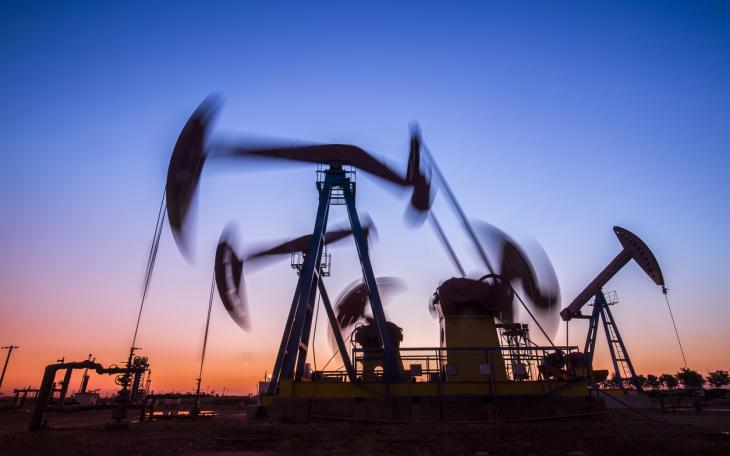
There is one part of the corporate world to which this will look like a statement of the obvious. International oil companies have spent decades operating in precisely these conditions: political shock layered onto price swings, regulatory intervention alongside activist pressure, all playing out in public. What is new is the number of industries now finding themselves in their shoes.
This is where the oil company playbook is useful. Businesses need to treat geopolitics as a management input, something that informs decisions, investment and positioning as a matter of routine. For companies unused to this, it can feel like an overreaction. For oil majors, it is simply how the business is run. Their default is not to plan for a single risk, but several at once; not to assume stability, but to price in constant disruption; and importantly, not to separate reputation from operations, but to treat them as inseparable.
From a communications perspective, this means pre‑aligning a small number of truths that can survive a fast‑moving moment. What you are exposed to, what you are doing about it, and where your red lines sit - and importantly, avoiding the temptation to improvise under pressure.
Which brings us back to the slightly uncomfortable comparison. International oil companies are not always held up as exemplars of trust. Yet they have long understood that in a world where politics, markets and narratives increasingly collide, legitimacy is provisional and must be re-earned repeatedly, often under scrutiny.
Corporate affairs has become, by default, the department of reality. You cannot de‑risk the world. You can, however, reduce how surprised the organisation looks when it changes and ensure that, when the inevitable hot take is demanded, leadership is calm, prepared and consistent rather than faintly offended that the world refuses to stay in its lane.
As Louis Pasteur observed: “luck favours the prepared mind”.
What to read next
Browse below for the latest news, insights and thought leadership from our team of experts

Protecting trust in an age of AI and impersonation

A recovery measured in discipline, not exuberance: Views from the property sector’s EXPO REAL
An Iron Dome and an Iron Lady: Reflections on the Conservative Party Conference
Going for the Grid: Burnham tries to take back control

Your First Home: a helping hand for buyers or a boost for housebuilders?
Solar and Storage Live: The shift from tick-box consultation to meaningful engagement
Burnham goes big in first conference speech, but real test still lies ahead at the Budget

Why dark social matters more than ever