A new era for Wales
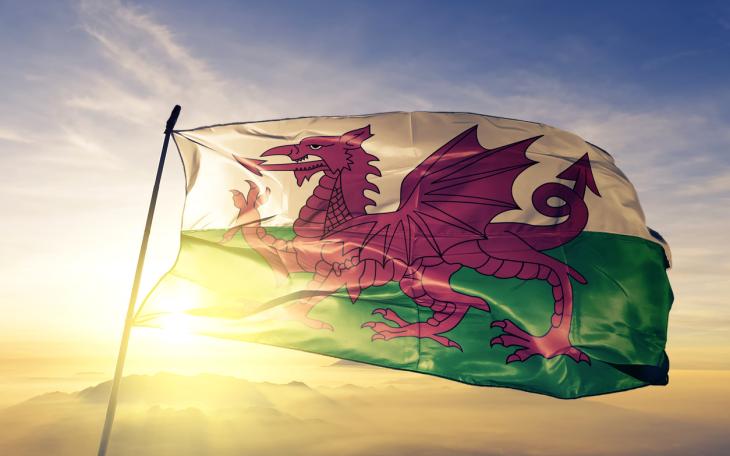

Over a century of Labour party dominance at the ballot box came to a spectacular end here in Wales on 7 May. As the results were announced, Labour strategists' worst fears were realised. A Plaid Cymru and Reform UK tsunami simply swept Labour from power across their traditional heartlands.
Just nine Labour candidates secured a seat. Many well-known faces including the First Minister Eluned Morgan, were gone in the matter of a few brutal and bruising hours.
But as much as the story of this election is about the electoral disaster for Labour, it’s also about making sense of a radically altered new political era for Wales.
An epoch-defining election set many precedents including:
Plaid Cymru leader Rhun ap Iorwerth becoming his party’s first First Minister
Both the Reform and the Green parties winning their first seats to the Senedd
Eluned Morgan becoming the first sitting head of government in the UK to lose their seat
The Senedd’s first election under a new proportional system, with an expanded 96 seats
The highest electoral turnout recorded for a Senedd election
The first time that three of the four countries of the UK - Wales, Scotland and Northern Ireland - are all governed by parties pledged to an independent political future.
As much as this election was about Labour’s wider political woes, it demonstrates how far Wales has travelled since the Senedd was founded more than a generation ago.
I’ve previously written about the broader Welsh societal shift that could be helping Plaid Cymru.
A generation of voters have grown up with the Senedd. These young people identify more as Welsh; the country as a whole is more positive towards the Welsh language and around a third of Welsh people, particularly young people, support Welsh independence.
It was very telling how well Plaid Cymru performed in Wales’ cities, including dominating the vote in Cardiff.
Welsh Labour, meanwhile, struggles to move on from a trade union ‘remember the miners’ identity that seems both old fashioned and alien to the experience of modern Wales.
Voters perceive that Wales is underfunded and shortchanged by Westminster, and polling shows a majority now see Plaid Cymru as the strongest voice for Wales.
For those who can still identify with that industrial Welsh persona of old, the truth is they have found a new champion in Reform. For many left behind by deindustrialisation and the forces of globalisation, it’s clear Labour is no longer the party they turn to for answers.
But while this election did answer many questions, it also raised many new and serious ones.
Plaid is comfortably the largest party in the Senedd but still six short a majority. They will have to work with Labour to pass legislation, because the other progressive parties do not have enough seats.
Many important questions have yet to be answered…
Was this result just a one-off protest vote directed against an unpopular Labour Prime Minister or is the party now in terminal decline in Wales?
Can Plaid Cymru make a success of governing and continue winning or will it suffer a similar fate to so many incumbent governments around the world?
Will Labour be willing to cooperate with Plaid or will they seek to be difficult and obstructive as an opposition party?
Will Reform be a cohesive and effective group or will they repeat the chaos and divisions of the UKIP group in 2016, which was the last time a Farage-led party won seats to the Senedd?
Is Wales now polarised, dominated by two parties that couldn’t be more different in policy, culture and outlook?
The Labour party in Wales is far from dead and buried. It still has the bulk of Welsh MPs at Westminster and controls multiple Welsh local authorities. Its group in the Senedd may be small, but they are experienced politicians, complemented by two talented new MSs in Huw Thomas and Shav Taj.
Nonetheless, to quote the new First Minister, Rhun ap Iorwerth, “something has stirred in the soul of Wales”. This new Senedd is unrecognisable from the one that came before it.
We have new parties, scores of new MSs and significant jeopardy for the whole country. The next four years in Wales are going to be fascinating.
What to read next
Browse below for the latest news, insights and thought leadership from our team of experts

Protecting trust in an age of AI and impersonation

A recovery measured in discipline, not exuberance: Views from the property sector’s EXPO REAL
An Iron Dome and an Iron Lady: Reflections on the Conservative Party Conference
Going for the Grid: Burnham tries to take back control

Your First Home: a helping hand for buyers or a boost for housebuilders?
Solar and Storage Live: The shift from tick-box consultation to meaningful engagement
Burnham goes big in first conference speech, but real test still lies ahead at the Budget

Why dark social matters more than ever