May 26 elections round-up: What now for Energy, Transport and Infrastructure?

There are probably a lot of people who woke up with sore heads on Saturday morning. You will have heard about the obvious ones: Tories in Hampshire, Greens who didn’t think they would actually win their seats, the Prime Minister.
But spare a thought for those tasked with taking current energy projects or future pipelines through the planning system. They face a new political landscape, with new decision-makers for planning applications and new pressures for NSIPs dealing with local authorities.
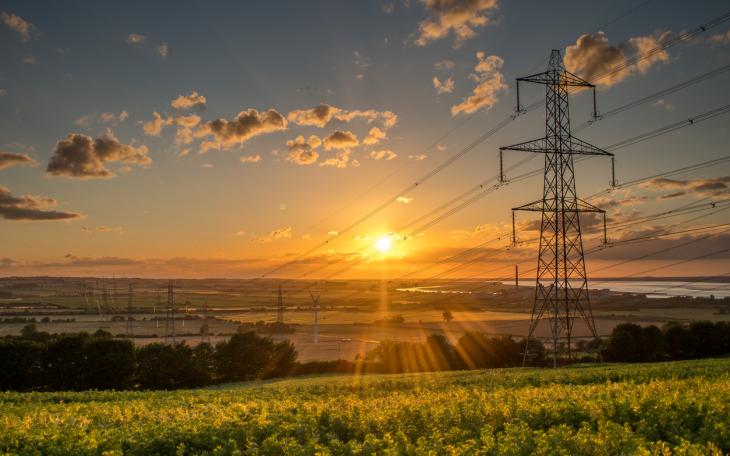
On the surface, Reform's surge across England looks like bad news for renewables in particular. The party has taken a very public line against ‘net stupid zero’, pledging to challenge solar farms and new pylons in the areas where it takes control through the courts. Developers could reasonably expect a harder time at committee going forward.
The reality is likely to be less dramatic, at least in the short term. We have not seen the blanket refusal of planning applications for renewables at local planning authorities like North Northamptonshire taken by Reform last year. The party has also come across limits to its strategy of legal challenge: Richard Tice recently conceded that, ‘not every scheme currently in the pipeline can be stopped retrospectively under today’s rules.’
Developers also already faced a hostile climate in many of the areas where Reform has done well. There has been strong opposition to large-scale solar across party lines in Norfolk for some time, including the previous Conservative administration and some Greens. The volume of development in an area, and the approach taken by other developers, will be as important in determining the reception projects face locally as the colour of the rosette worn on Thursday.
The bigger threat in the short term is more likely simple inertia. Over 30 councils ended last week moving to no overall control. They will need time to form administrations and negotiate committee positions. Little will get done in these periods – and potentially in the longer term where control of councils is split several ways. Upcoming council AGMs will be important to watch in these areas.
Project promoters will also need to deal with the practical impact of new councillors. Many of the councillors elected last week have never worked in local government before. The experience following last year's local elections suggests it will take them some time to find their feet. Positive, open engagement by developers can help them adjust and can have a real impact on their attitudes.
Some developers faced with the prospect of significant political change come the next General Election will be considering how they can speed up and bulletproof projects before 2029. Last week’s local elections may make that harder in places, but not necessarily because new councillors are more hostile to development. Many will be taking up the role of councillors for the first time – the developers who take the time to engage will reap dividends.
What to read next
Browse below for the latest news, insights and thought leadership from our team of experts

Protecting trust in an age of AI and impersonation

A recovery measured in discipline, not exuberance: Views from the property sector’s EXPO REAL
An Iron Dome and an Iron Lady: Reflections on the Conservative Party Conference

Going for the Grid: Burnham tries to take back control

Your First Home: a helping hand for buyers or a boost for housebuilders?

Solar and Storage Live: The shift from tick-box consultation to meaningful engagement

Burnham goes big in first conference speech, but real test still lies ahead at the Budget

Why dark social matters more than ever