Artificial social media buzz: Time to be outraged or opportunity to engage?
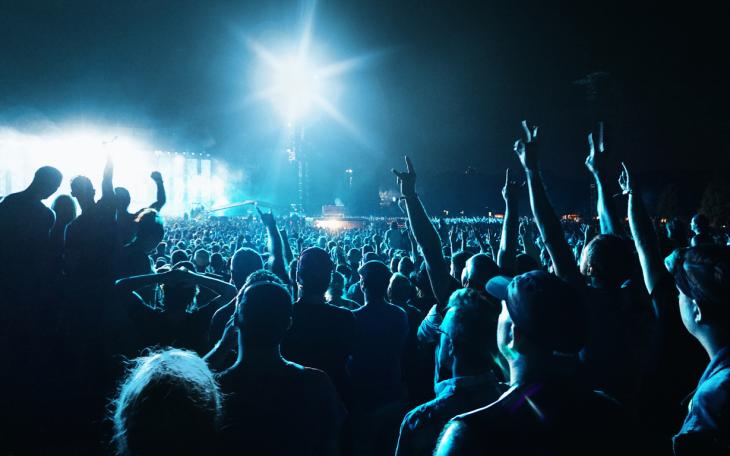

Chaotic Good, a digital agency, has come into the spotlight in recent weeks for campaigns that manufacture online momentum around musicians, particularly within the indie music space. The criticism has travelled fairly quickly from national coverage into Reddit communities (i.e. r/indieheads) and across fan pages. At the centre of this conversation is an understandable concern: if success can be driven by engineered moments and fake fan accounts, what happens to artists who build audiences slowly, through gigs, word of mouth, and genuine fan connection rather than platform tactics.
Much of the backlash, including claims that these campaigns amount to a kind of psyop, rests on a romantic belief that good music can only find its audience through natural means. The idea of digital campaigns bolstering popularity goes against what many people associate with independent music culture. However, engineered visibility is now built into how so many platforms function and music is not separate from that system even if fans wish it were.
What makes this moment interesting is how selective the outrage has been. Artificial online buzz can fuel months-long culture wars or sustain arduous debates around high profile or even political disputes. These social media campaigns can stir up questions about celebrities, corporations, policies and they all rely on the same idea of provoking an emotional response and shifting sentiment in one way or the other.
And this isn’t a particularly new concept either - we have been manufacturing attention a lot longer than the internet has been around. Theatre managers in the 18th century hired people to applaud or boo on cue and this had a considerable impact on the success of a show on opening night. And now we are seeing musicians reacting to platforms that reward speed and repetition. Promoters and labels are operating inside an economy where attention is scarce and fleeting. Calling each campaign a ‘psyop’ does not change the fact that our favourite musicians are adapting to a new world to make some money from music.
A more optimistic reading is that this growing awareness of how attention and sentiment are shaped online could make us better readers of reputation. Artificial buzz has always existed, only now it is in plainer view. The real question is whether we keep pretending some parts of culture are immune or whether we learn to recognise influence when we see it, without mistaking every nudge for manipulation.
What to read next
Browse below for the latest news, insights and thought leadership from our team of experts

Pensions reform in focus

Data Centres - Will we learn from the past?

Profit warnings and the importance of context

Delhi's protest. India's growth story.
It’s about housing, stupid

Budget 2026: What’s in store for developers?

Delegation Nation
Reframing Britain’s Brexit debate