Labour's instability shifts from politics to process
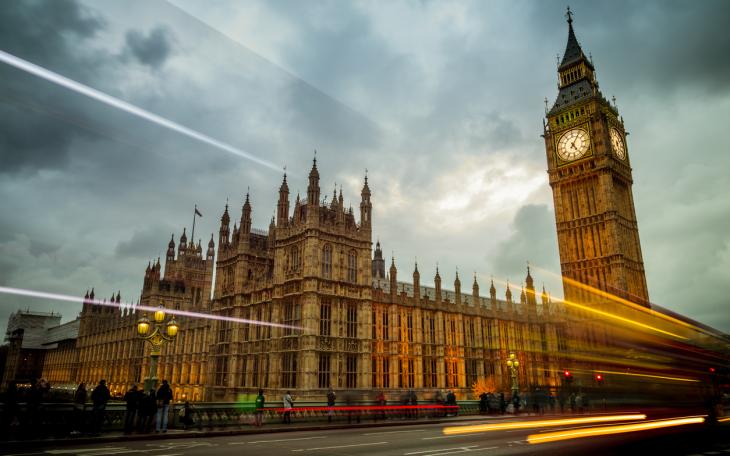

As pressure mounted through yesterday and into this morning, Prime Minister Sir Keir Starmer gave no indication that he was ready to move. At a high‑stakes cabinet meeting this morning, he told ministers he would “get on with governing” and said no leadership contest had been triggered. That came as calls for his resignation continued to grow.
Publicly, Cabinet allies stressed stability and process; privately, divisions persist.
Labour now finds itself in a gap caught between political pressure and formal mechanism. A leadership contest can only begin in two ways: if the leader resigns, or if a single challenger secures the backing of 81 Labour MPs. Catherine West MP’s move over the weekend is perceived as a stalking‑horse manoeuvre, applying pressure on senior figures to act rather than launching a serious challenge herself. So far, it has exposed uncertainty rather than forced a contest.
That gap explains the competing routes now being argued for and why they suit different figures. A rapid internal challenge would favour the Health Secretary, Wes Streeting. Supporters of this route are focused on assembling the backing of 21 per cent of Labour MPs (81) behind one challenger. If 81 written nominations are submitted, a leadership contest would begin immediately. The sitting leader would be on the ballot by default and any other challenger with who hits that threshold of support. This is the fastest route and is driven from the Parliamentary Labour Party with the National Executive Committee (NEC) then responsible for setting the timetable.
There is, as SEC Newgate UK’s Managing Director of Digital and former Labour Party advisor Tom Flynn warns, a risk of mistaking urgency for clarity.
“Many MPs seemed to have been surprised by the local election results, which suggests they either don’t understand opinion polls or they have had their heads in the sand. This week’s chaos feels like a knee‑jerk reaction with huge consequences for the country if we get it wrong. Surely Labour needs to understand why it lost before offering a solution?”
The alternative case has gathered force around the Mayor of Greater Manchester Andy Burnham. Recent polling places Burnham considerably ahead of his rivals on favourability. Supporters – including former Deputy Prime Minister Angela Rayner - argue this strengthens the case for a managed transitioned rather than a swift Westminster context that would exclude him. Burnham is not currently an MP and could only stand if he returned to Westminster via a by‑election, making time and sequencing central to this scenario. In practice, Starmer would need to resign, triggering the leadership process. The NEC would then set the timetable for the ballot and separately approve the selection and timing of any by‑election candidate required to facilitate Burnham’s return. This route prioritises order over speed, but it depends on coordination, political patience and crucially consent across the party.
As SEC Newgate UK’s Account Director Joe Cooper notes, it is that trade‑off between order, risk and potential reward that now underpins the Burnham case.
“Burnham, even with the blessing of the NEC, has the unenviable task of navigating a parliamentary by-election with the country watching, knowing that defeat risks inflicting further humiliation on the party, and potentially the end of his political career. Yet given the potential prize on the line, this is unlikely to deter him. The Greater Manchester Mayor remains an incredibly popular figure locally, with polling showing his ability to win votes from Reform and the Greens – a key electoral challenge which Labour will have to address if it is to remain in power after the next election.”
Labour now faces a choice that goes beyond personalities. It is a choice about timing, risk and discipline, and about whether the party moves decisively or allows events to dictate the outcome. In a contest shaped as much by process as by politics, how Labour chooses to act may matter just as much as who ultimately leads it.
What to read next
Browse below for the latest news, insights and thought leadership from our team of experts
It’s about housing, stupid

Budget 2026: What’s in store for developers?

Delegation Nation

Reframing Britain’s Brexit debate

The missing sector in Britain's growth strategy

Pacific Pre-COP31: Testing the waters ahead of Turkey

How communications drives deal outcomes

Vibes win the click. Only substance wins the trust.