When campaigns go viral
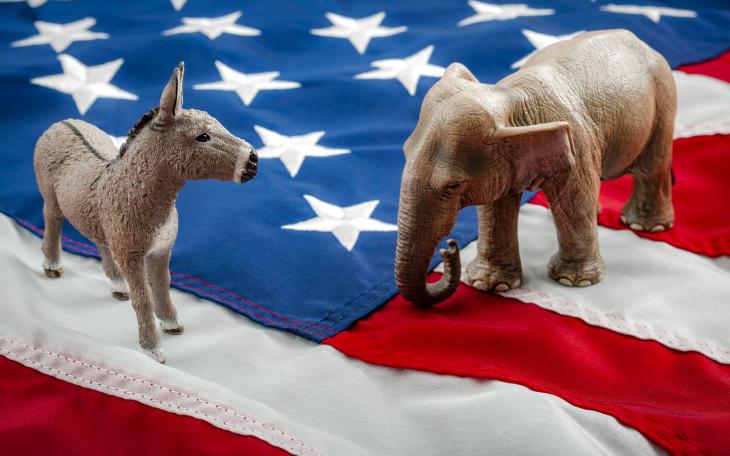

The Texas Senate Democratic primary between James Talarico and Jasmine Crockett has become one of the clearest examples yet of how digital campaigning is reshaping politics.
Both candidates entered the race with large social media audiences. Crockett built a following of more than two million on TikTok, while Talarico has attracted more than a million followers with videos blending political commentary with personal storytelling. Their campaigns leaned heavily on digital platforms to raise money, reach voters, and generate attention. Yet the defining feature of the race was not simply the candidate’s online presence; it was the broader ecosystem around them.
As seen in 2024, but even more so now, creators, podcasters, and online commentators played a growing role in shaping how the campaign unfolded. Viral clips, commentary videos and podcast discussions pushed the race far beyond Texas, drawing national attention. In several cases, debates and controversies that began online quickly spilled into mainstream political coverage.
This dynamic points to a broader shift in modern campaigning. Political narratives are no longer shaped solely by campaigns, advertisements and traditional media, but increasingly by the wider creator economy that surrounds political events.
For candidates, social media offers clear advantages in reaching voters. Platforms such as TikTok, Instagram, and X allow politicians to communicate directly with audiences, bypassing traditional media, and testing messages quickly. Viral clips or podcast appearances can also bring national attention and boost fundraising beyond a candidate’s home state.
However, this environment also introduces new risks. Influencers and podcasters are not bound by the editorial standards that govern traditional journalism, and many operate without clear rules around sponsorship or political funding. Their incentives are often tied to engagement and audience growth, which can encourage more dramatic or confrontational content.
In Texas, some of the race’s most heated moments originated not from campaign messaging but from commentary circulating online. Once a narrative gains traction across social media, campaigns often have limited ability to control how it spreads.
This shift extends far beyond a single primary. Across the US and beyond, campaigns are increasingly working with content creators as part of their communications strategy. Influencers attend campaign events, collaborate with candidates, and share political content with audiences that may not follow traditional news. The Texas primary shows how far this transformation has progressed, elections are now shaped not only by speeches, debates and advertising, but by algorithms, viral moments and networks of online creators.
As the midterms approach and the next presidential race begins to take shape, the lesson from Texas is clear. Digital campaigning is no longer a side strategy. It is becoming one of the central arenas where modern politics now plays out.
What to read next
Browse below for the latest news, insights and thought leadership from our team of experts

The art of the teal

Pay to stay: can England’s mayors follow Manchester’s lead and turn a ‘tourist tax’ into growth?

All change on local government reorganisation

From drought to disruption: Why adaptation matters now

Australia's AI chart crackdown signals a wider shift in trust and disclosure

From Waiting for Godot to winning trust: Communications lessons from IPEM 2026

Farage, Burnham, and the battle for authenticity
What Aristotle can tell us about corporate statements