Why the language around DEI matters

In recent years, diversity, equity and inclusion (DEI) has become one of the most politically charged topics in global corporate culture. In the US, President Donald Trump’s criticism of so-called ‘woke’ policies has led several major corporations, including Amazon, Google, and Meta, to scale back DEI initiatives. Although the UK has not experienced the same level of rollback, the rhetoric surrounding DEI is beginning to influence political and corporate conversations here too.
At its core, DEI is not focused on one single group or issue. These policies shape workplace experiences across sexuality, race, gender, disability, religion, and socioeconomic background, influencing whether people feel respected, supported and able to progress in their careers. As a result, shifts in the tone or language surrounding inclusion can have wider implications across multiple communities, particularly at a time when workplace culture and employee expectations are evolving rapidly.
Despite the rollback of DEI policies in the US, the UK landscape remains relatively robust. Legal protections such as the Equality Act 2010 and the Public Sector Equality Duty continue to provide a strong framework for workplace equality, making it harder for organisations to dismantle protections in the way seen in the US. The current Labour government has also pledged to strengthen anti-discrimination measures further, including proposals around ethnicity and disability pay gap reporting and expanding equal pay rights.
However, there are signs that the wider political climate is beginning to shape corporate behaviour. Some UK businesses are softening the language they use around DEI, folding initiatives into broader HR or ESG strategies, or reducing public-facing commitments altogether in an attempt to avoid political controversy. Research by law firm Freeths found that more than half of UK businesses have changed the way they approach ethical policies and practices in response to the Trump administration’s criticism of woke culture.
At the same time, UK political figures have increasingly targeted DEI initiatives. Reform UK has pledged to remove DEI programmes from councils it controls, while Nigel Farage has said he would replace the Equality Act altogether, which former ministers Suella Braverman and Jacob Rees-Mogg have also called for. This debate has also been shaped by rhetoric emerging from the US, where Donald Trump described DEI initiatives as “dangerous, demeaning and immoral”. Even where policies themselves remain unchanged in the UK, this wider political and cultural discourse still matters because workplace culture is shaped by tone and language just as much as legislation.
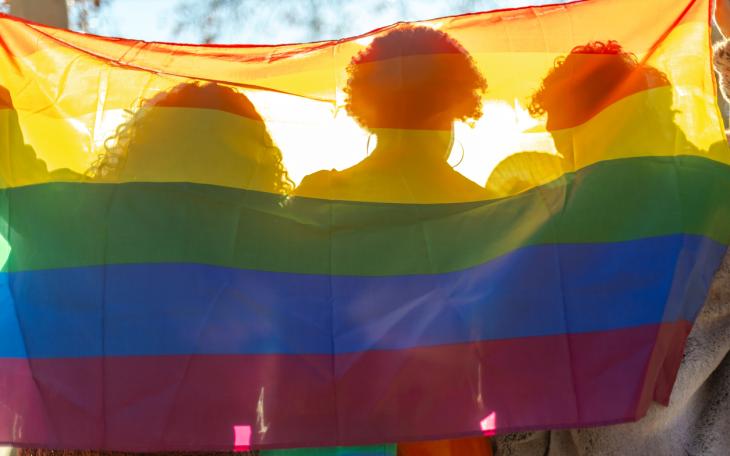
That is particularly important when considering LGBTQ+ inclusion in the workplace. Despite significant progress in recent decades, many LGBTQ+ employees still do not feel fully comfortable being themselves at work. Research shows that two in five LGBTQ+ employees in the UK still feel the need to hide their identity in professional environments, while more than a third have heard discriminatory comments made about LGBTQ+ colleagues.
These experiences have consequences for employee wellbeing, confidence, and career progression. They also affect businesses directly. Inclusive workplaces tend to see stronger employee engagement, improved retention, and healthier workplace cultures overall. Younger generations, in particular, increasingly expect employers to demonstrate genuine commitments to inclusion and equality, rather than treating them as optional corporate add-ons.
This is why the language surrounding DEI matters. Even where formal protections remain in place, the way inclusion is discussed publicly and within organisations can still influence workplace culture and how comfortable employees feel being themselves at work. Cultural change does not always happen through major policy shifts; it can also develop gradually through changes in tone, priorities, and public discourse. Ultimately, creating inclusive workplaces should not be viewed as a political statement, but as part of building supportive working environments.
What to read next
Browse below for the latest news, insights and thought leadership from our team of experts

The art of the teal

Pay to stay: can England’s mayors follow Manchester’s lead and turn a ‘tourist tax’ into growth?

All change on local government reorganisation

From drought to disruption: Why adaptation matters now

Australia's AI chart crackdown signals a wider shift in trust and disclosure

From Waiting for Godot to winning trust: Communications lessons from IPEM 2026

Farage, Burnham, and the battle for authenticity

What Aristotle can tell us about corporate statements