The realities of climate resilience. Does Europe have what it takes to beat the heat?
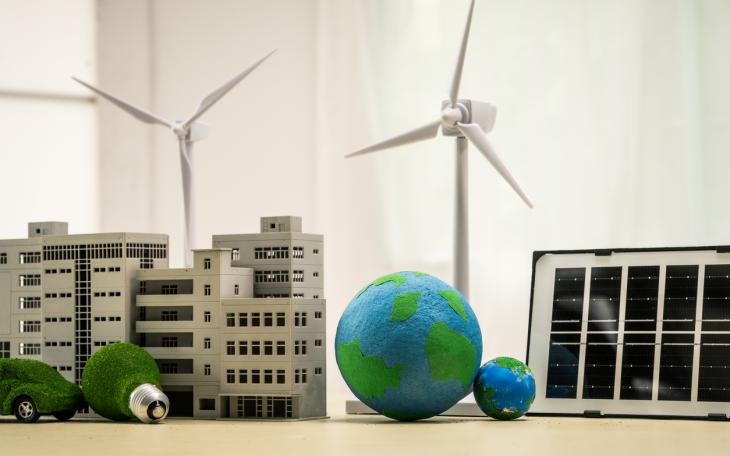

Here in the UK, the impact of climate change is an inescapable reality. As Western Europe warms at roughly twice the global average rate, we are all experiencing a summer of destructive wildfires, extreme heat with spiralling consequences. Lost productivity, rising insurance costs and damage to critical assets are increasingly a drag on growth.
Over the past fortnight, fire crews in England and Wales have been responding to a new wildfire every 90 minutes. In Suffolk, the authorities are on high alert to the threat being posed to Sizewell B nuclear power station by a nearby blaze. Fires in France and Spain are the most damaging in two decades, destroying homes, disrupting communities and claiming lives.
Europe is enduring its fourth major heatwave of the summer, and the costs are still being calculated. Across our continent, rising temperatures are no longer simply an environmental concern. They are a defining challenge of economic resilience for everyone.
The pressure on emergency services is exposing worrying gaps in national resilience. In North Wales, firefighting helicopters were unavailable due to deployments elsewhere, while Spain has only a handful of specialist aircraft capable of loading water directly from rivers and reservoirs.
The economic impact is equally severe. The European grain trading association estimates that around €2 billion has been wiped from the value of this year’s grain harvest. Germany alone is facing losses of as much as $130 billion from the effects of extreme heat on infrastructure, agriculture and public health according to Europe’s largest insurer Allianz SE.
Investors it seems, remain slow to price climate risk into their decision making. Henry Fernandez, Chief Executive of the global markets data provider MSCI warns that markets continue to underestimate the impact of a hotter planet on asset values. In his words, investors need to start “monitoring the thermometer” as closely as other key financial indicators.
But the resilience challenge is not simply about preventing losses. It is also about seizing opportunities. The case for clean energy, electrification and energy independence has been boosted, not least because of recent geopolitical instability in the Middle East.
London Climate Action Week at the end of June highlighted the opportunity for the UK. According to the CBI and ECIU, the green economy now supports more than one million jobs here. Despite the clear transatlantic divide, large asset managers, insist demand for climate-focused investment remains particularly strong in Europe and Asia-Pacific, with BlackRock reporting this month that more than 80% of its largest clients in those regions still have climate-related investment objectives.
Building resilience requires practical measures as well as capital. Upgrading cooling systems, expanding urban tree cover and investing in nature-based solutions can all help communities adapt while delivering attractive returns. Greater use of artificial intelligence can improve the efficiency of electricity networks. Accelerating electrification strengthens both energy security and economic resilience.
The challenge is also social. Successful climate policy depends on aligning people’s self-interest with the long-term interests of the planet. Around five million people in the UK remain trapped in energy poverty, while the cost-of-living crisis has been identified as the new Prime Minister Andy Burnham’s top priority.
The question is no longer whether climate change will affect Europe, but how effectively Europe responds. A coalition of the willing—governments, investors, businesses and citizens—now must focus on adaptation, resilience and innovation. The heatwaves of 2026 are a warning. Our collective response will determine Europe’s future for decades to come.
What to read next
Browse below for the latest news, insights and thought leadership from our team of experts
The art of the teal
Pay to stay: can England’s mayors follow Manchester’s lead and turn a ‘tourist tax’ into growth?
All change on local government reorganisation
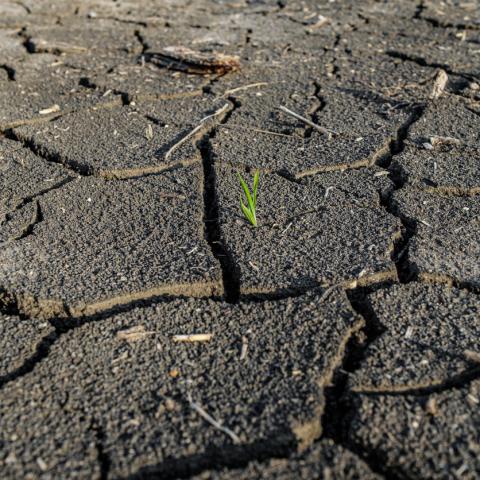
From drought to disruption: Why adaptation matters now

Australia's AI chart crackdown signals a wider shift in trust and disclosure

From Waiting for Godot to winning trust: Communications lessons from IPEM 2026
Farage, Burnham, and the battle for authenticity
What Aristotle can tell us about corporate statements